





Portrait Ceramic Wall Plaque
A portrait ceramic wall plaque brings intimate human presence to a room, offering finely painted likenesses framed for display.
Portrait Ceramic Wall Plaque
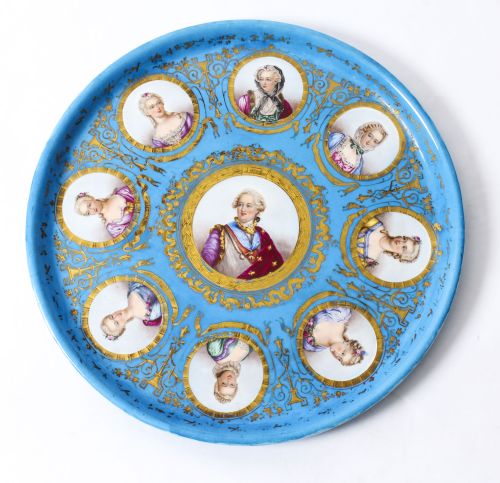
A portrait ceramic wall plaque presents a painted or moulded likeness intended for display upon a wall, often mounted within a protective frame or bordered by giltwood. When you search for a portrait ceramic wall plaque, you encounter pieces spanning from the eighteenth century through to the early twentieth century, taking the form of wall plaques, decorative chargers, framed tiles, and cabinet plates adapted for hanging.
The selections on this page draw from diverse European and Asian traditions, including French Limoges enamels, German porcelain works from Berlin and Royal Vienna, English Wedgwood jasperware cameos, and Chinese porcelain panels. Styles range from Victorian classical revivals and Rococo frames to Edwardian pieces and Republic period works, reflecting varied cultural approaches to ceramic portraiture.
How they were made
Makers utilised ceramic bodies such as porcelain and earthenware, shaping them into plates, tiles, or flat panels before applying pigments and glazes. Many examples feature delicate hand-painting that required multiple firings in a kiln to fix the colours permanently onto the surface.
Mounting and presentation required secondary materials like carved wood, gold leaf, or ormolu to create frames and wall surrounds. Some works integrate textile elements or giltwood to enhance the decorative presence of the ceramic centrepiece.
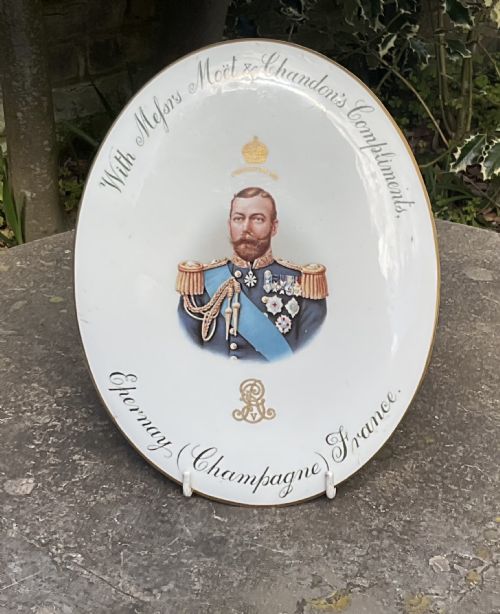
Even champagne houses like Moët and Chandon occasionally produced commemorative ceramic plaques to mark royal coronations.
What varies in quality
The quality of the surrounding mount, whether an ormolu frame, carved wood, or a fitted gilt border, contributes significantly to the overall presence of the object. Heavier, more detailed frames often accompany more ambitious painted porcelain surfaces.
Sherwin and Cotton·Royal Vienna·Moët and Chandon
The Portrait Ceramic Wall Plaque Glossary
- Jasperware
- A type of fine stoneware developed by Josiah Wedgwood, characterised by a matte finish and contrasting white moulded reliefs against a coloured ground. These pieces often appear as framed cameos.
- Limoges enamel
- Enamel painted on a copper or ceramic base, originating from the French city of Limoges. The technique allows for rich, translucent colour layers.
- Ormolu
- Gilt bronze mounts used extensively in furniture and picture frames during the eighteenth and nineteenth centuries. It provides a bright metallic contrast to porcelain plaques.
- Cabinet plate
- A decorative ceramic plate intended for display in a cabinet or on a wall rather than for dining use. They frequently feature detailed portrait subjects.
- Enamel
- A glass-like substance fused to a metal or ceramic surface through firing. It creates durable, glossy colours on portrait panels.
Portrait Ceramic Wall Plaque: Frequently Asked Questions
How do I hang a heavy porcelain plaque safely?
Most substantial wall plaques and framed chargers require secure wall fixings screwed directly into studs or masonry, rather than standard picture hooks.
Ensure the hanging wire or integrated bracket on the reverse is structurally sound before mounting the piece.
Are these portrait plaques meant for outdoor display?
These pieces are strictly intended for interior display. Exposure to weather, moisture, and temperature fluctuations can damage the ceramic body, pigments, and gilded wooden frames.
Keep them in stable indoor environments away from direct sunlight.
How should I clean a painted porcelain plaque?
Dust the surface gently with a soft, dry brush or microfiber cloth. Avoid using water, liquid cleaners, or abrasive cloths, as these can harm delicate overglaze enamels and gold leaf.
If the piece is set within an ormolu or carved wood frame, clean the frame separately without letting moisture touch the ceramic.
What is the difference between a charger and a wall plaque?
A charger is fundamentally a large decorative plate that may have started as a dining or display vessel before being adapted for hanging on a wall. A wall plaque is specifically formed as a flat or slightly curved panel designed from creation for vertical wall display.
Both serve similar decorative purposes in period interiors.