




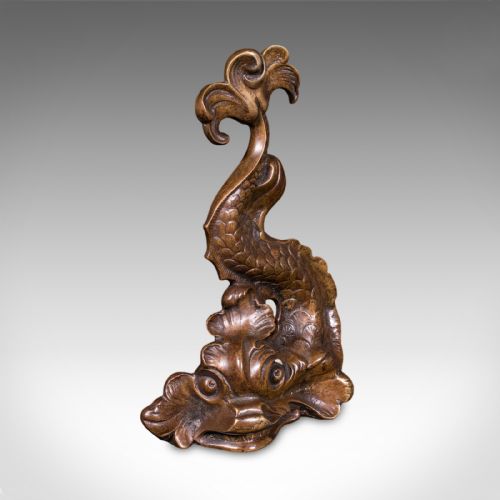
Nineteenth Century Casts
Nineteenth century casts bring together utilitarian ironwork, grand neoclassical sculptures, and domestic brassware from across the Victorian era.
Nineteenth Century Casts
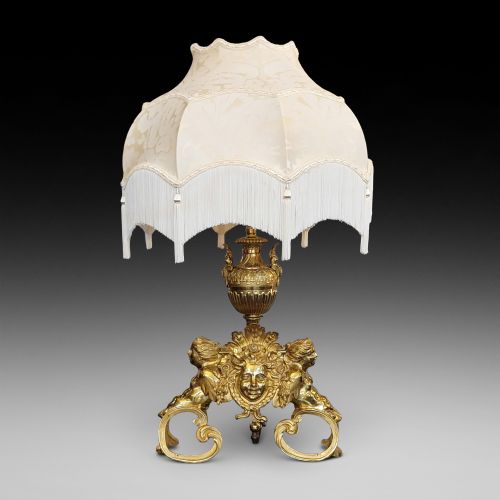
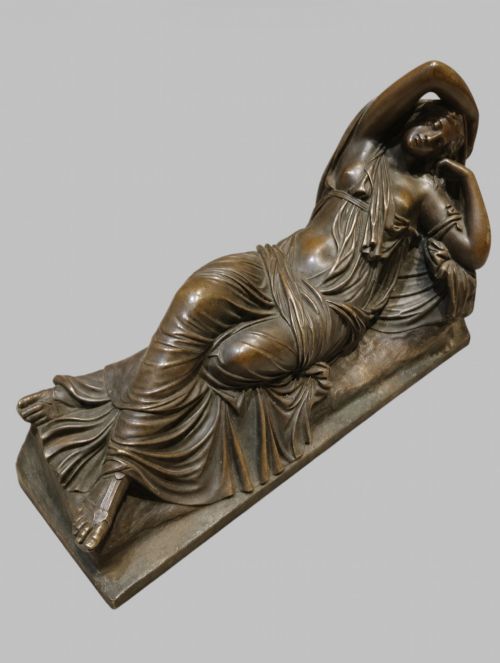
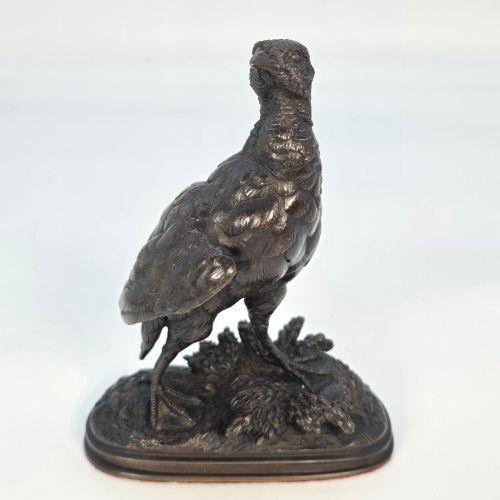
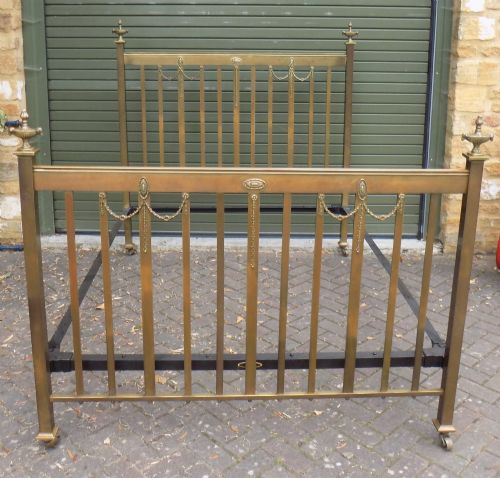
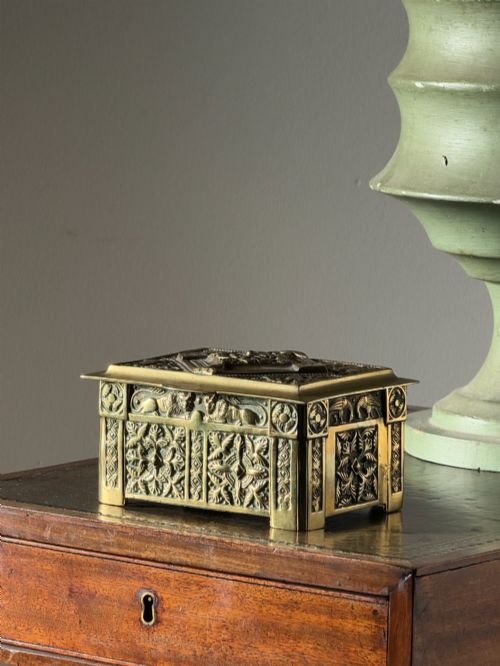
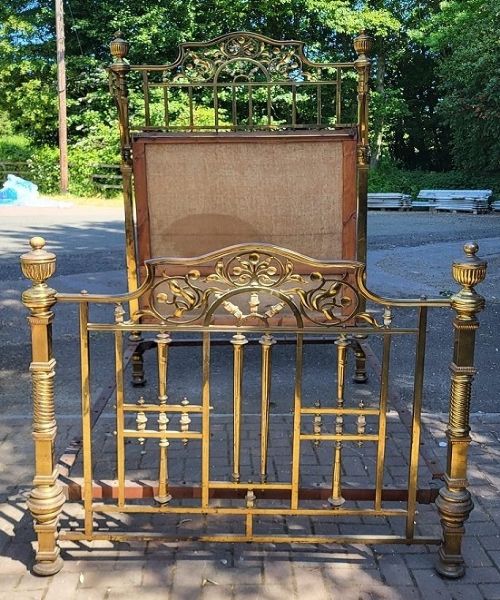
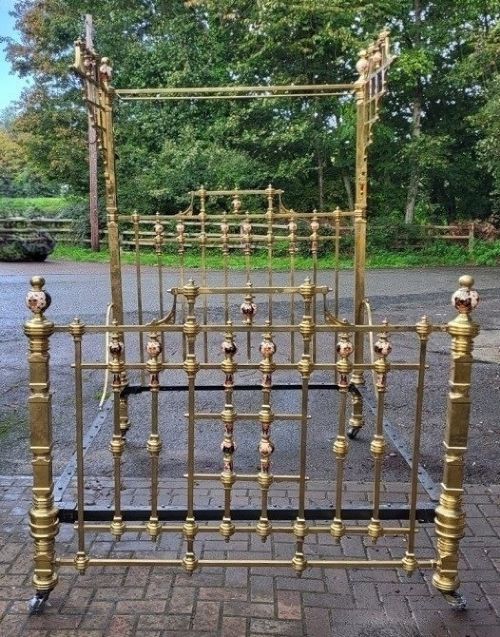
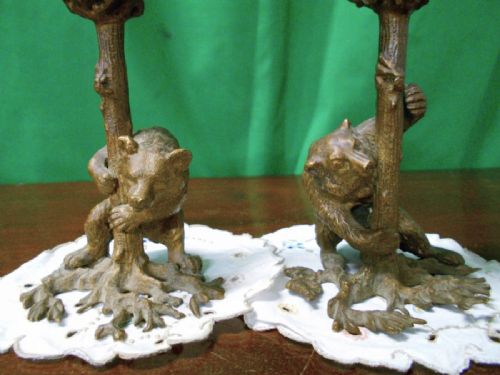
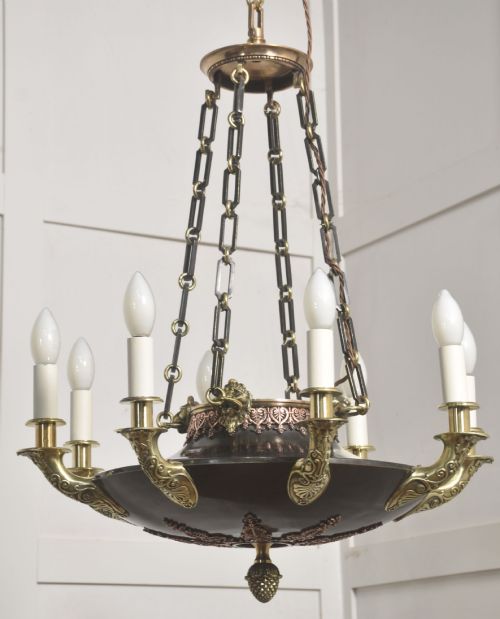
Nineteenth century casts encompass a remarkably varied range of objects, from heavy architectural ironwork and sturdy bedroom furniture to delicate bronze animalier sculptures and Grand Tour plaster medallions. When exploring nineteenth century casts, buyers frequently encounter substantial brass and iron bedsteads alongside decorative mantel pieces and desk accessories.
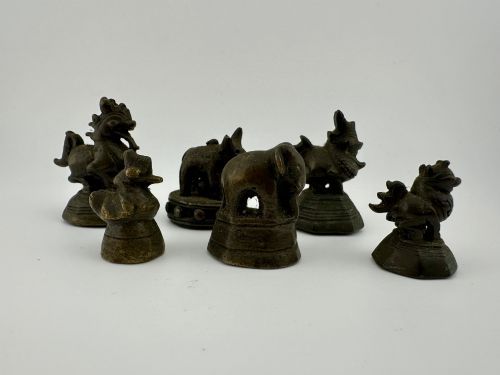
The material evidence spans traditional cast iron, wrought iron, and heavy brass alongside patinated bronze, spelter, and plaster. These items originate from British, French, and Japanese workshops, reflecting both industrial utility and refined nineteenth century artistic revivals.
How they were made
Makers utilised traditional foundry methods, pouring molten metal into sand or loam moulds to create durable structural pieces like fire baskets, architectural plaques, and heavy doorstops. Iron and brass components were frequently combined in larger domestic items such as bedsteads, requiring skilled assembly and finishing.
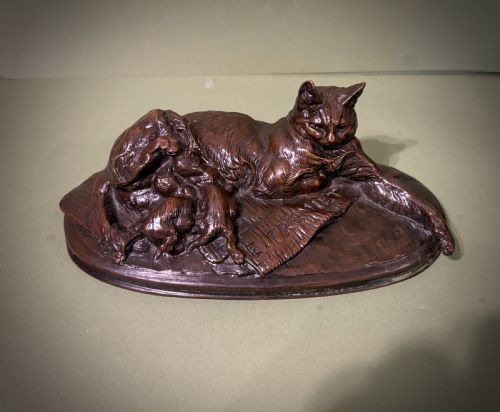
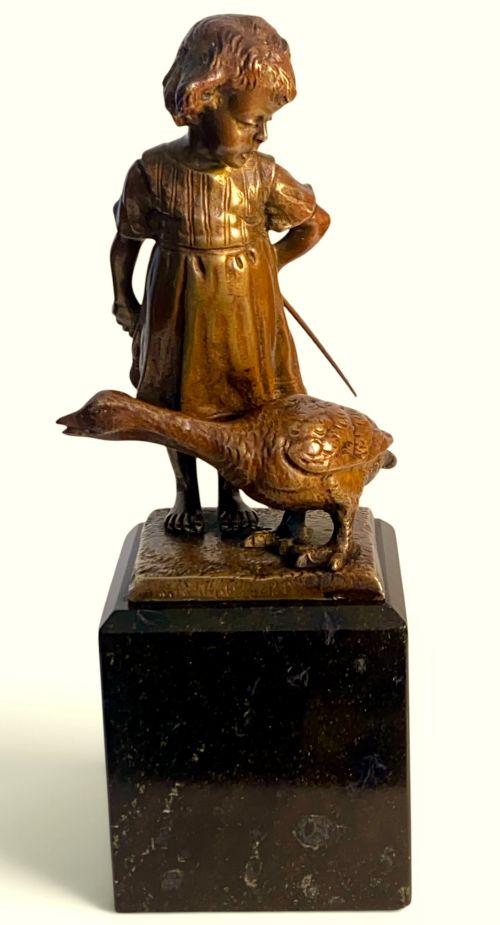
Bronzes and smaller decorative objects often employed the lost-wax casting technique, allowing for intricate surface detail in animalier studies and classical figures. Subsequent hand-finishing, patination, and mounting completed pieces destined for Victorian parlours and studies.
Nineteenth Century Casts Retail Price Guide 2026
Typical asking prices for nineteenth century casts among the pieces listed under this phrase on Sellingantiques today, from the lower quarter to the upper quarter. They describe what is for sale here now, not the wider market.
Listings feature items from the Victorian, Georgian, and Meiji periods, utilising brass, cast iron, bronze, and glass.
What varies in quality
The distinction between standard commercial output and exhibition quality lies in the crispness of the cast and the depth of the subsequent hand-finishing. Superior examples retain sharp detail in complex decorative motifs, whereas lesser pieces often show softened edges from worn moulds.
Material selection also dictates overall merit, distinguishing solid brass and heavy patinated bronze from lighter spelter or iron substitutes. The integrity of original mountings, fixings, and structural joins further separates utilitarian items from masterworks.
Ferdinand Pautrot·Parkes and Hadley·Alfred Barye·Val d Osne foundry·Victor Peter·Giovanni Liberotti
The Nineteenth Century Casts Glossary
- Animalier
- A nineteenth century artistic focus on the realistic depiction of animals, particularly predators and prey cast in bronze. These dynamic sculptures capture creatures in motion or repose with meticulous anatomical precision.
- Grand Tour
- A traditional educational journey of Europe undertaken by upper-class young men, yielding collections of classical art. Souvenirs included miniature bronzes, plaster medallions, and intaglios acquired abroad.
- Spelter
- An alloy of zinc and lead used as a cheaper alternative to bronze for decorative figures. It is easily cast and typically finished with a bronze-look paint or patina.
- Half Tester
- A type of bedstead featuring a partial canopy extending from the headboard rather than full-length posts. These were commonly constructed from brass and iron during the Victorian period.
Nineteenth Century Casts: Frequently Asked Questions
What defines nineteenth century casts?
These pieces comprise metalwork, sculpture, and decorative objects produced in European and Asian foundries during the eighteen-hundreds.
They reflect the diverse manufacturing capabilities and aesthetic revivals of the Victorian era.
How were cast iron items used?
Cast iron served both structural and decorative purposes in nineteenth century homes, forming sturdy fire grates, umbrella stands, and architectural plaques.
Heavier pieces provided reliable utility while incorporating gothic or classical ornamentation.
How should brass bedsteads be placed?
Victorian brass bedsteads function as central statement pieces within a bedroom, requiring adequate space to display their decorative headboards and footboards.
Their substantial metal construction pairs well with period textiles and traditional wooden furniture.
How do bronze and spelter differ?
Bronze is a durable copper alloy capable of holding exceptionally fine detail and developing a rich natural patina over time.
Spelter is a softer, lighter zinc-based substitute that was frequently painted to mimic true bronze.