


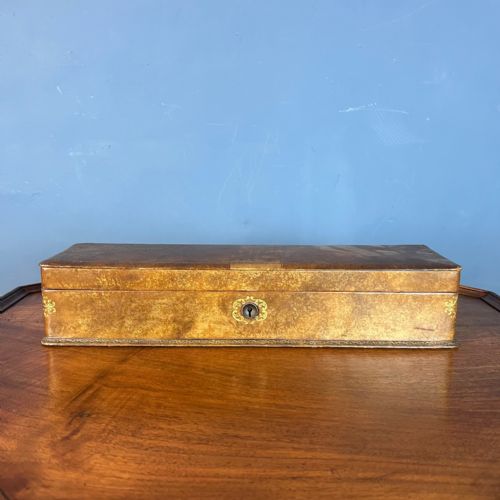


Nineteenth Century Casket
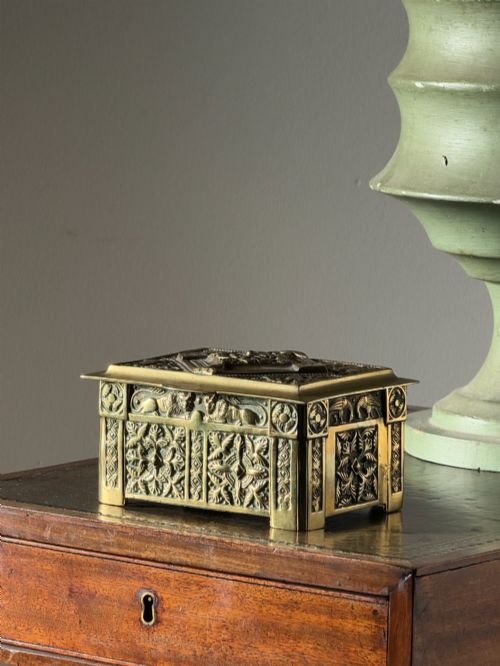
A nineteenth century casket serves as a sturdy and decorative repository for letters, jewels, or gaming pieces, prized for its tactile materials and meticulous craftsmanship.
Nineteenth Century Casket
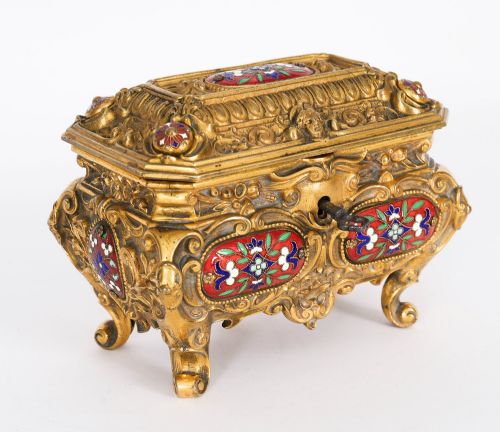
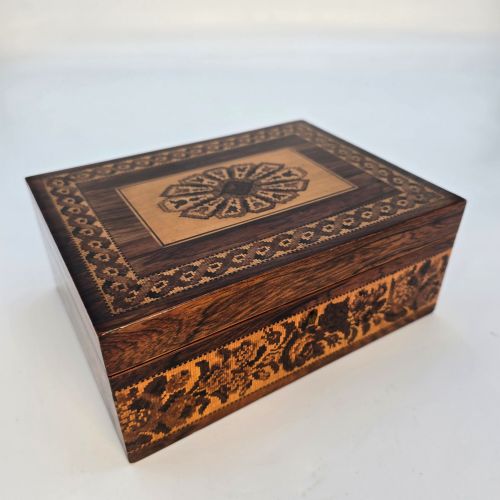
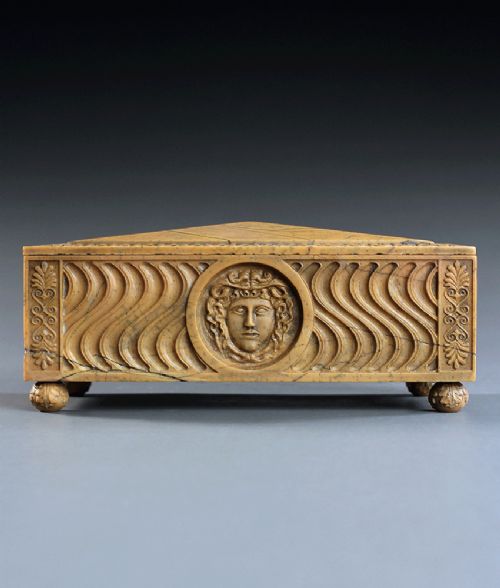
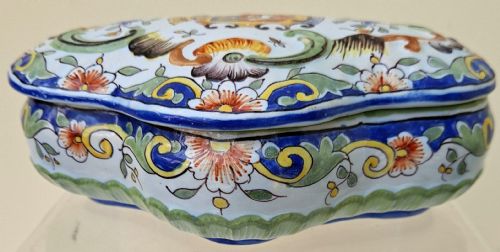
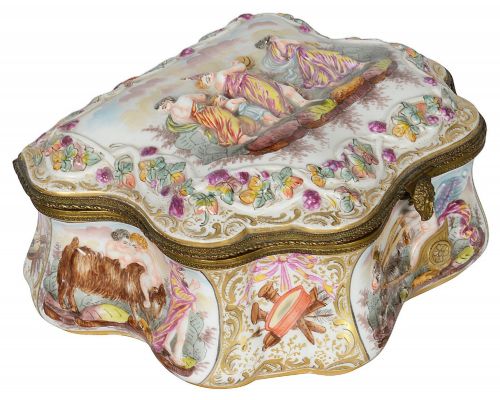
A nineteenth century casket encompasses a diverse array of decorative boxes, jewellery boxes, desk accessories, and workboxes designed to house personal treasures. The selection ranges from Regency parquetry games boxes to elaborate Victorian rosewood sewing boxes and Grand Tour marble pieces.
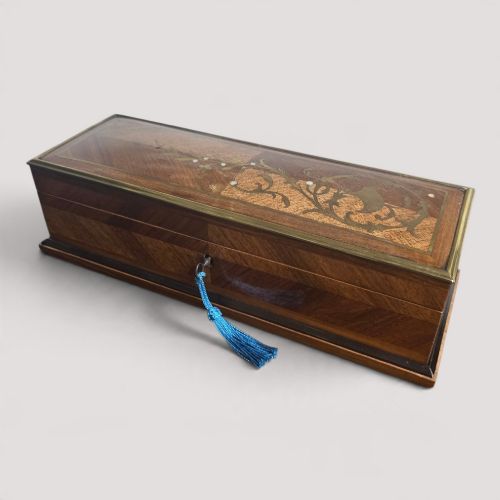
Buyers most frequently encounter rosewood and walnut specimens inlaid with mother-of-pearl or brass, alongside distinctive Tunbridge ware and Anglo-Indian designs. These objects functioned as tabletop stationery cases, glove boxes, and vanity containers in period interiors.
How they were made
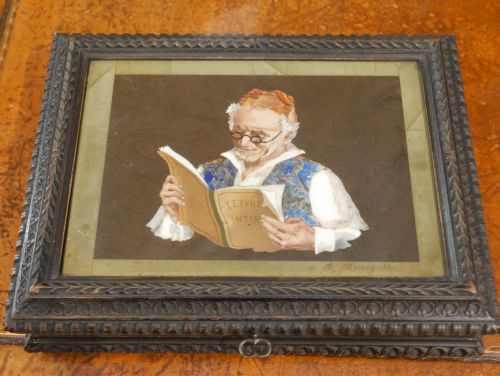
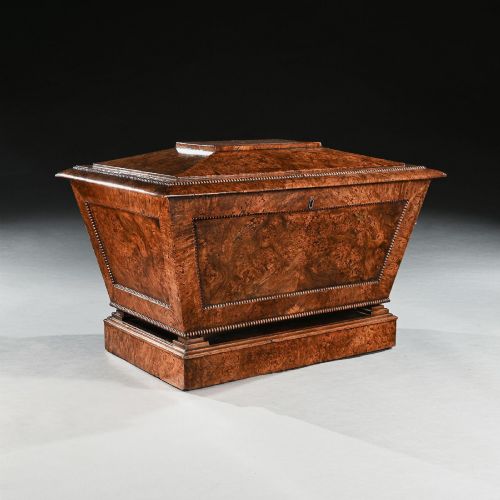
Cabinetmakers utilised dense timbers such as rosewood, walnut, coromandel, and ebony, often shaping them into domed tops or sarcophagus forms. Surfaces were frequently embellished with intricate parquetry, marquetry, and Tunbridge ware mosaic work.
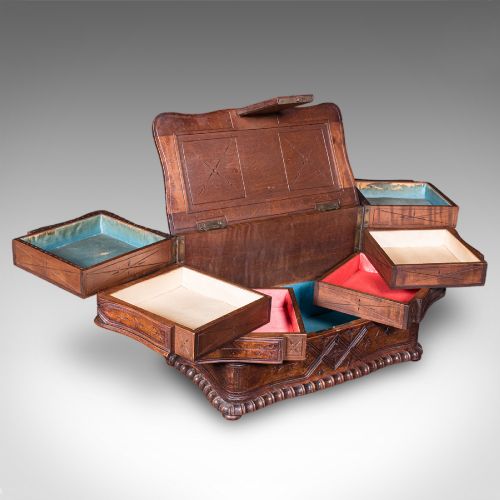
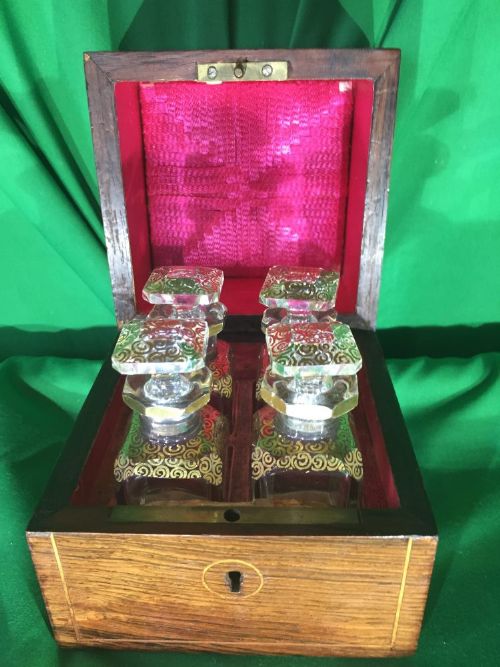
Interiors reveal fitted compartments lined with silk, while exterior mounts incorporate brass, gilt-brass, bone, and inset agate cabochons. Specialised techniques such as penwork and quill work appear on specific English and Anglo-Indian pieces.
Nineteenth Century Casket Retail Price Guide 2026
Typical asking prices for nineteenth century casket among the pieces listed under this phrase on Sellingantiques today, from the lower quarter to the upper quarter. They describe what is for sale here now, not the wider market.
Listings feature woods including rosewood, walnut, coromandel, and ebony, alongside materials like mother-of-pearl, bone, leather, and Siena marble.
What varies in quality
Quality rests upon the precision of the woodwork and the complexity of the surface ornamentation, such as tightly fitted parquetry and delicate mother-of-pearl inlay. Superior examples retain their original silk linings, working locks, and complete internal fittings like scent bottles or gaming counters.
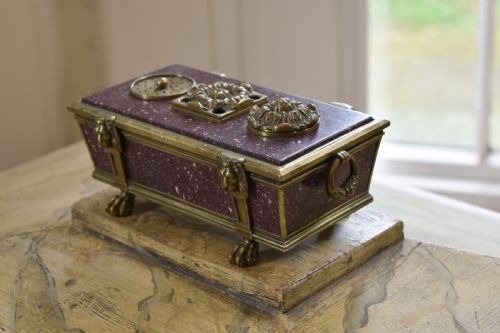
The choice of material elevates a piece, distinguishing standard mahogany or plain wood boxes from solid ebony, coromandel, or Siena marble constructions. The reputation of specific makers and the crispness of brass mounts or leather tooling further dictate the upper tier of the range.
Edmund Nye
The Nineteenth Century Casket Glossary
- Tunbridge Ware
- A type of British woodwork decorated with mosaic patterns created from tiny precisely cut wood squares. This technique produces intricate geometric or pictorial designs.
- Sarcophagus Casket
- A box styled after an ancient stone coffin featuring a steeply sloped or domed lid. These heavy vessels often appeared on Grand Tour itineraries.
- Parquetry
- Geometric mosaic woodwork formed by fitting small wooden veneers together. It creates repeating patterns across the lid and sides of a box.
- Marquetry
- The art of applying pieces of veneer to a structure to form decorative pictures or designs. Makers used varied timbers to achieve tonal contrast.
- Siena Marble
- A distinctive yellow Italian marble with dark grey or purple veining. It formed the heavy body of neoclassical decorative boxes.
Nineteenth Century Casket: Frequently Asked Questions
What were nineteenth century caskets used for?
These boxes held a multitude of personal items, functioning as repositories for letters, sewing equipment, playing cards, and jewellery.
Wealthy households placed them on tabletops and desks in parlours and boudoirs for both utility and display.
How do I care for wooden caskets?
Keep wooden boxes away from direct sunlight and extreme temperature fluctuations to prevent the timber and delicate veneers from warping or cracking.
Dust surfaces gently with a dry cloth and avoid harsh chemical polishes that might damage old lacquer or leather.
How do I identify a Regency box?
Regency pieces often display classical Neoclassical or architectural influences, utilising rosewood with restrained brass stringing and mother-of-pearl inlay.
They favour balanced proportions and formal geometric shapes distinct from later exuberant Victorian revival styles.
Are interiors usually original?
Many boxes retain their fitted compartments and silk linings, though fragile textiles frequently show signs of age and wear.
Complete internal fittings like scent bottles or work trays significantly enhance the integrity of the piece.