



Nineteenth Century Bucket
A nineteenth century bucket brings utilitarian metal and coopered timber into domestic rooms, offering both heavy construction and decorative presence.
Nineteenth Century Bucket
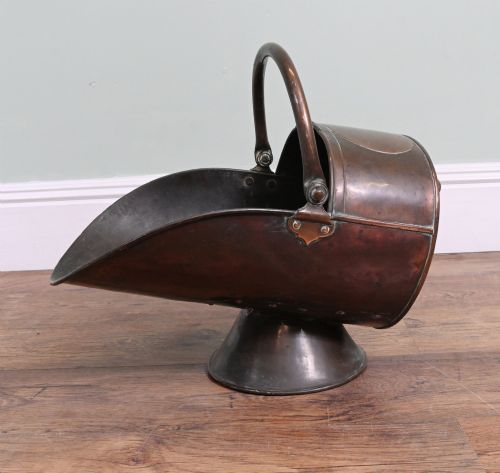
When you search for a nineteenth century bucket, you encounter a range of heavy domestic vessels, coal containers, and specialised receptacles spanning the Victorian and Regency eras. These utilitarian objects include copper and brass coal scuttles, coopered wood tea stoves, wine coolers, and decorative jardinieres.
The objects combine practical purpose with distinct stylistic periods, ranging from plain Regency crystal wine coolers to elaborate Arts and Crafts copper purdoniums and French Rococo revival trophy vases.
Materials and construction
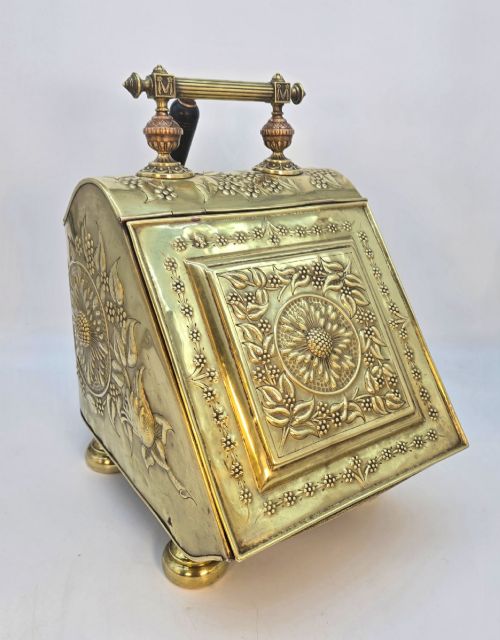
Makers utilised sheet copper and heavy brass, often shaping the metal through repoussé hammer work and joining panels with iron rivets. These metal vessels frequently feature swing handles and matching shovels or internal liners.
Timber construction relies on traditional coopered wood techniques, binding staves together with metal hoops to contain dry goods, peat, or water. Glass examples demonstrate lead crystal cutting, while ebonised wood and applied textiles appear on specific novelty pieces.
Nineteenth Century Bucket Retail Price Guide 2026
Typical asking prices for nineteenth century bucket among the pieces listed under this phrase on Sellingantiques today, from the lower quarter to the upper quarter. They describe what is for sale here now, not the wider market.
Listings feature nineteenth century buckets in brass, copper, and coopered wood, spanning Regency, Victorian, and Arts and Crafts styles.
Quality and manufacture
The distinction between standard utility items and finer examples rests on the weight of the metal gauge, the crispness of repoussé detail, and the integrity of coopered staves. Superior pieces retain original liners, shovels, and operational hardware rather than later replacements.
Design ambition separates basic coal receivers from artistic purdoniums, Arts and Crafts coal boxes, and Regency wine coolers. Hand-hammered surfaces and deliberate stylistic integration dictate the standing of each piece.
Callaghan & Co of London
The Nineteenth Century Bucket Glossary
- Coopered wood
- Wooden staves joined tightly together with metal hoops to form a rounded vessel. This technique provides the structural strength needed for holding water, tea, or peat.
- Repoussé
- Metalworking technique where the artisan hammers the metal from the reverse side to form raised decorative patterns. It defines the surface texture of many brass and copper coal containers.
- Purdonium
- A specialised box or scuttle designed for storing coal beside a fireplace. These containers often feature a sloping front or tipping mechanism for ease of use.
- Jardinière
- An ornamental pot or bucket designed to hold growing plants or flowers. Nineteenth century examples frequently utilise coopered wood or brass.
- Bushel balance
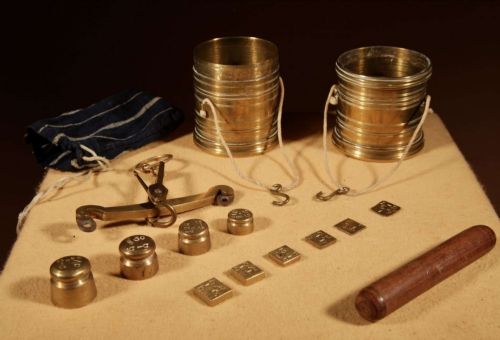
- A heavy measuring device constructed with brass pans and weights for determining volume or dry measure. Such sets reflect utilitarian trade use during the period.
Nineteenth Century Bucket: Frequently Asked Questions
What were nineteenth century buckets used for?
These vessels served practical domestic and agricultural functions, ranging from hauling water and storing fireplace coal to cooling wine and holding garden plants.
Different forms were tailored to specific rooms, with heavy copper scuttles sitting by hearths and coopered wood jardinieres placed in reception rooms.
How do you clean brass and copper?
Careful maintenance preserves the aged patina that accumulates over generations of use. Aggressive chemical polishing strips the historic surface character.
Gentle dusting and mild soap solutions protect the metal while maintaining its natural finish.
Are original accessories usually included?
Some coal boxes and scuttles retain their matching metal shovels or internal liners, which were paired with the main container during manufacture.
Surviving original components add to the completeness and historical integrity of the piece.
How are different periods identified?
Stylistic indicators such as Regency crystal cutting, Victorian repoussé work, and Arts and Crafts construction methods help date each vessel.
Material choices and assembly techniques further distinguish early nineteenth century pieces from later Victorian examples.