



Nineteenth Century Brass
Nineteenth century brass items combine utilitarian strength with decorative warmth, offering collectors everything from robust bedsteads to intricate coal boxes.
Nineteenth Century Brass
Nineteenth century brass encompasses a diverse range of domestic objects and furnishings spanning utility and ornamentation. Buyers searching for nineteenth century brass frequently encounter substantial furniture fittings, lighting, and hearth accessories from the Victorian and Regency eras.
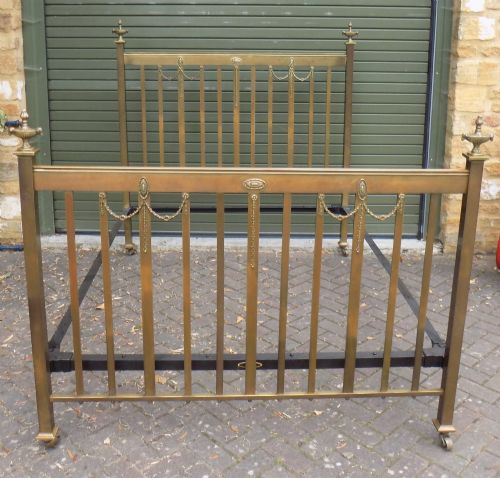
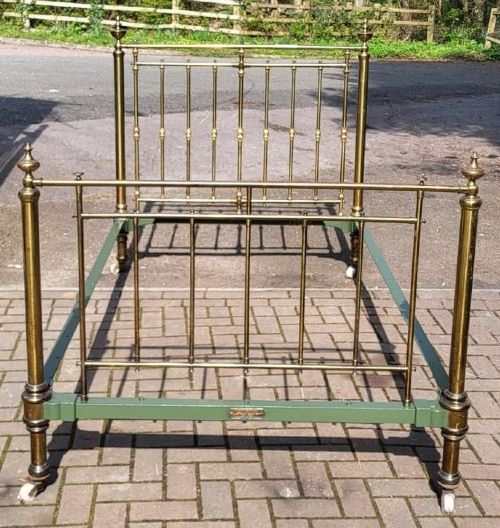
Bedsteads and fire dogs dominate the physical presence of nineteenth century brass on this page, alongside smaller decorative caskets and oil lamps. These pieces demonstrate how the metal served structural and decorative roles in homes.
Origins vary from British workshops to French ateliers and Anglo-Indian production, bringing distinct regional interpretations to the material. Pieces often combine brass with mahogany, rosewood, glass, or leather to achieve contrasting textures.
Materials and construction
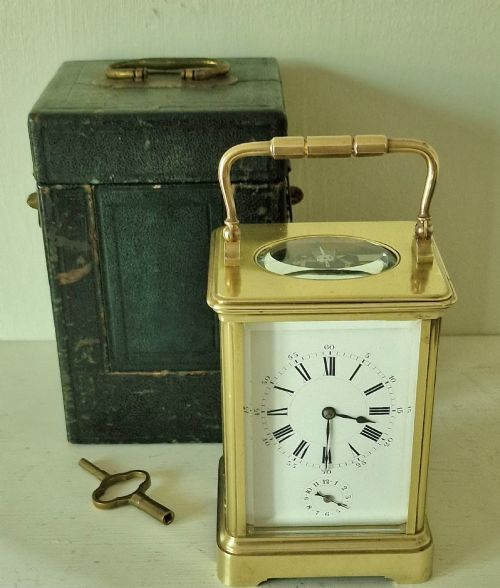
Manufacturers utilised cast and sheet brass, frequently combining the metal with secondary timbers such as mahogany, rosewood, and oak. Structural elements often integrated cast iron or leather, particularly in trunks, campaign writing boxes, and bedframes.
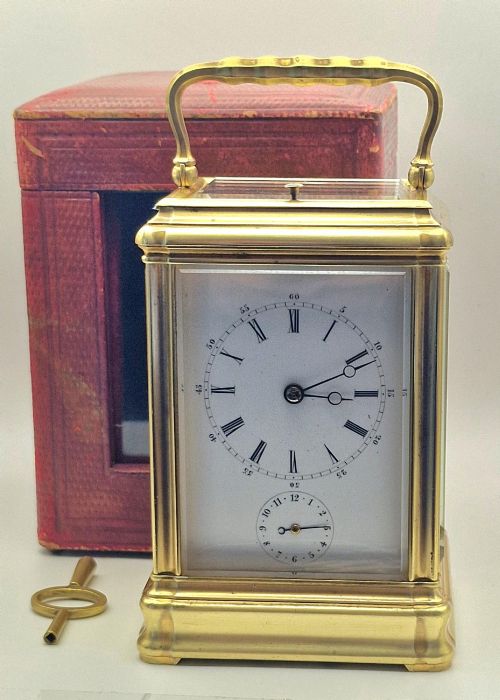
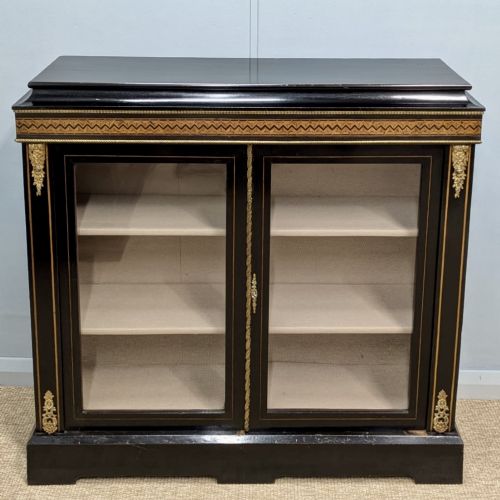
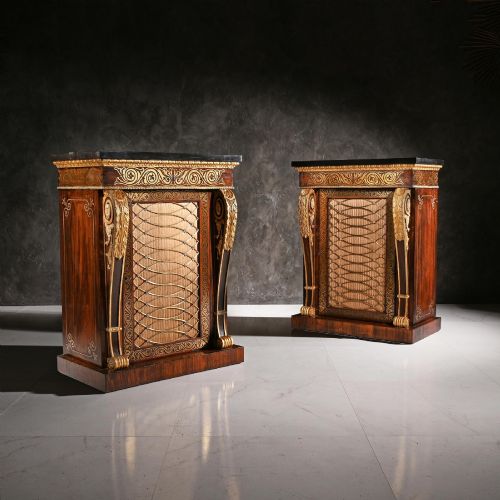
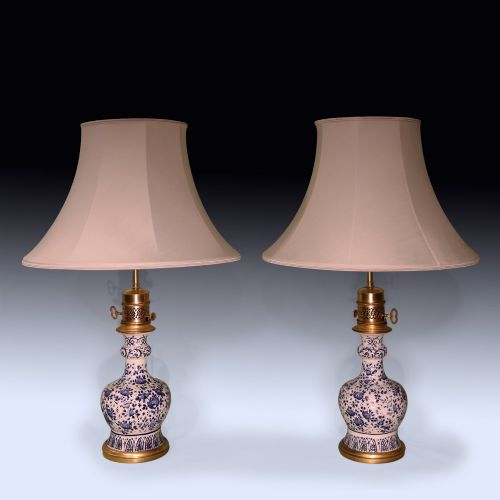
Surface decoration relied on repoussé techniques, engraving, and precision brass inlay embedded into timber surfaces. Glass, marble, and porcelain components were integrated into oil lamps, clocks, and side cabinets to add colour and contrast.
Nineteenth Century Brass Retail Price Guide 2026
Typical asking prices for nineteenth century brass among the pieces listed under this phrase on Sellingantiques today, from the lower quarter to the upper quarter. They describe what is for sale here now, not the wider market.
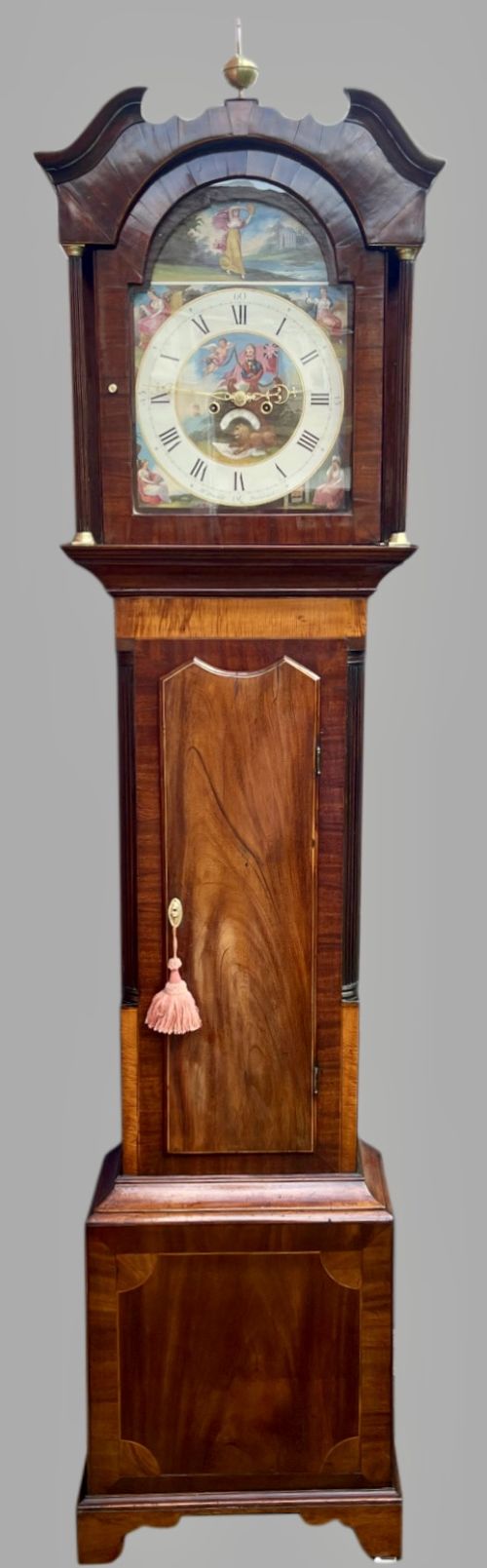
Napoleon watches over the room from a painted miniature, maintaining a stern gaze across centuries of brass beds and coal boxes.
Assessing quality and craftsmanship
Quality rests in the crispness of casting detail and the precision of assembly, particularly where brass meets wood in inlaid furniture or campaign boxes. Superior examples retain original patination, matching finials, and uncompromised structural integrity.
The sophistication of surface ornamentation separates standard utility pieces from exceptional items. Repoussé work, hand-chased details, and the survival of original companion pieces, such as coal shovels or burner parts, elevate a piece's standing.
RW Winfield·J Sewill Liverpool
The Nineteenth Century Brass Glossary
- Repoussé
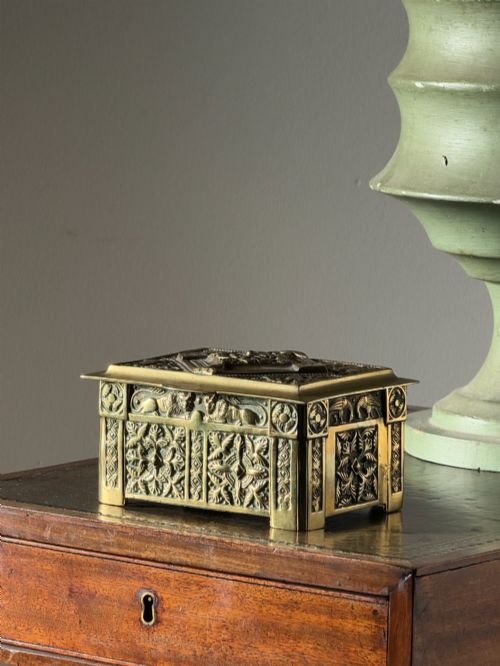
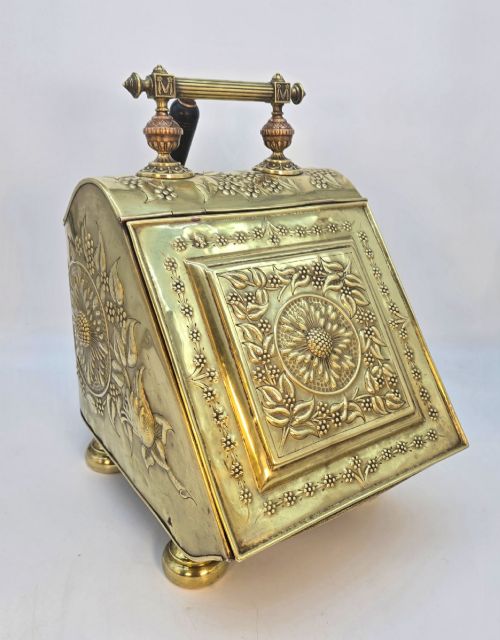
- Metalwork hammered or pressed into relief from the reverse side. This technique gives decorative coal boxes and caskets their raised surface patterns.
- Half Tester
- A bed with a partial canopy extending from the headboard. These frames frequently combine brass tubing with cast iron components.
- Campaign Box
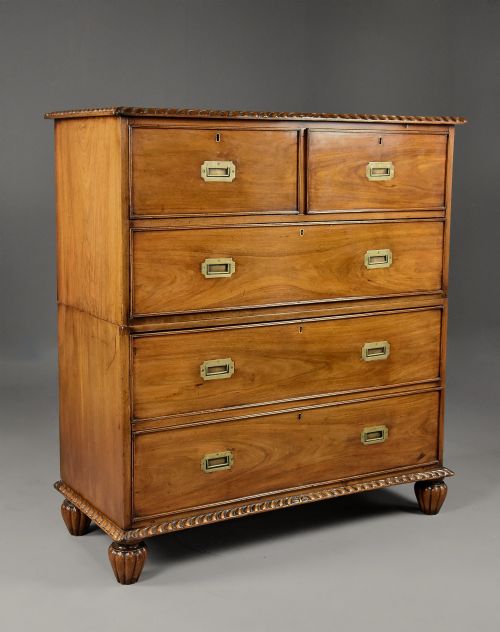
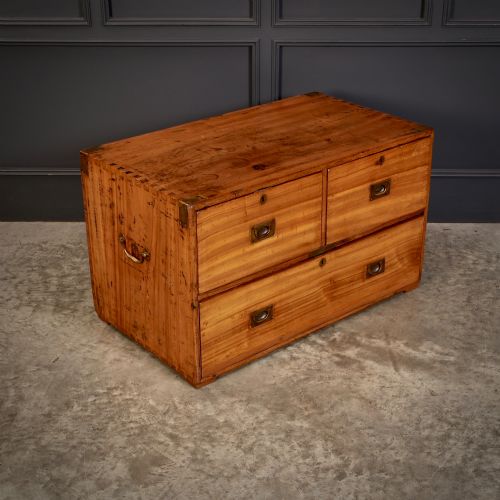
- Portable furniture designed for military officers on the move. These pieces incorporate brass corner guards, recessed handles, and robust camphor or mahogany construction.
- Samovar
- A heated metal urn used to boil water for tea. Victorian examples combine heavy copper and brass bodies with sturdy handles and spigots.
- Ormolu
- Gilded bronze or brass applied to furniture mounts and decorative objects. This finish provides a bright gold-like appearance popular in French and Regency design.
Nineteenth Century Brass: Frequently Asked Questions
How do I clean nineteenth century brass?
Maintenance requires gentle dusting and occasional cleaning with a non-abrasive metal polish to remove harmful tarnish. Aggressive cleaning removes the historical patination that collectors value.
Harsh chemical dips strip the aged surface completely, leaving the metal with an unappealing brightness. Preservation of the underlying colour remains paramount for maintaining historical integrity.
Are nineteenth century brass beds standard sizes?
Historical bed frames rarely match modern mattress dimensions exactly. Double and king size bedsteads from this period typically require custom mattresses for proper placement.
Frame widths and lengths vary according to regional nineteenth century standards. Checking internal dimensions prevents fitting issues upon delivery.
What styles influence nineteenth century brass pieces?
Design vocabulary draws heavily from Gothic Revival, Regency, French Rococo, and Chinoiserie movements. Makers adapted these historical motifs for domestic hardware, lighting, and furniture.
Victorian pieces often blend these historical references with industrial production methods. The resulting objects display both ornate surface decoration and sturdy underlying construction.
How do I distinguish Regency from Victorian brass?
Regency items generally exhibit classical restraint, clean lines, and precise brass inlay on dark hardwoods such as rosewood and mahogany. Proportions remain architectural and balanced. Succeeding Victorian pieces tend toward heavier ornamentation, incorporating repoussé work, varied materials like cranberry glass, and robust industrial forms.