

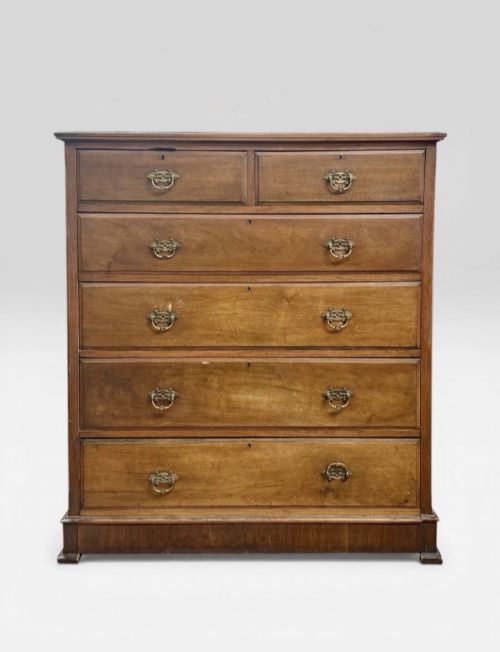


Nineteenth Century Brass Chest
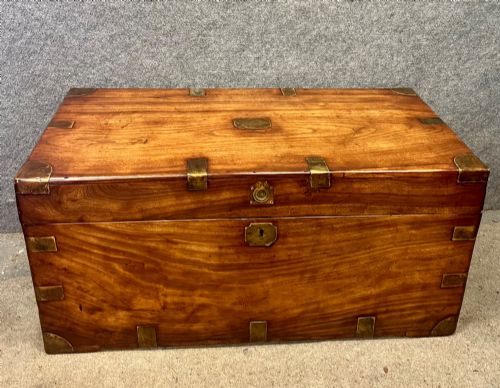
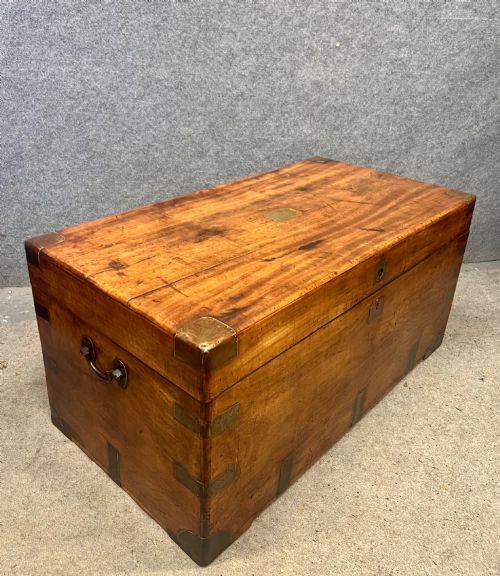
A nineteenth century brass chest is a sturdy portable container built for travel or domestic storage, prized for heavy metal mounts and robust timber construction.
Nineteenth Century Brass Chest
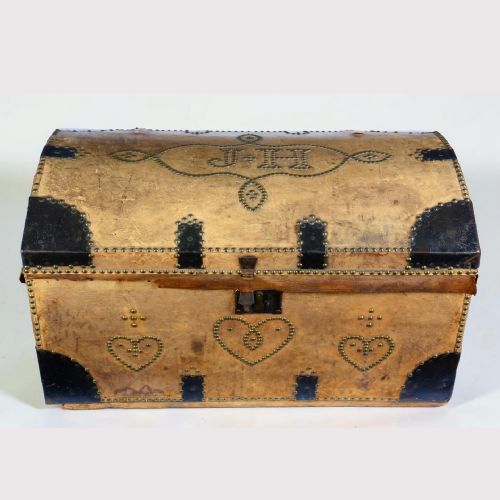
A nineteenth century brass chest encompasses campaign trunks, military chests, and domestic storage boxes reinforced with metal corners, straps, and corner brackets. These pieces emerge from Georgian, Regency, and Victorian periods, reflecting an era of extensive travel and formal household organisation.
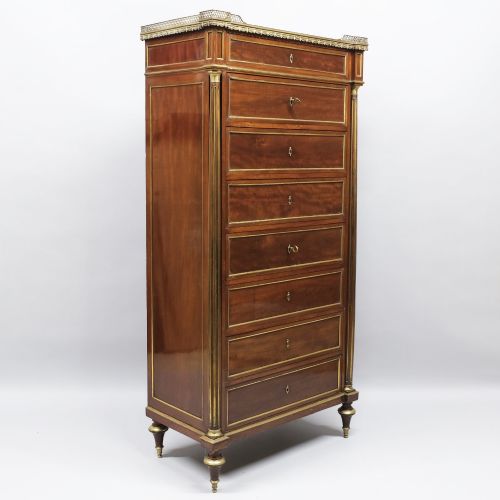
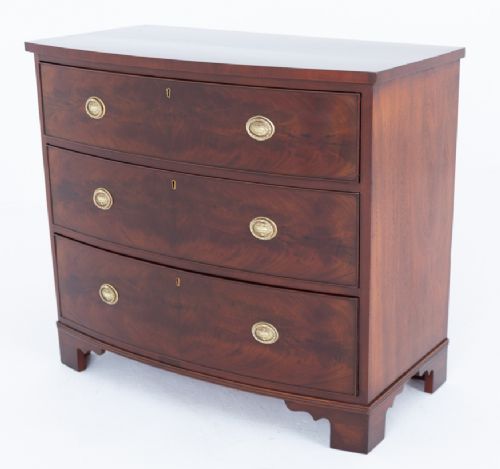
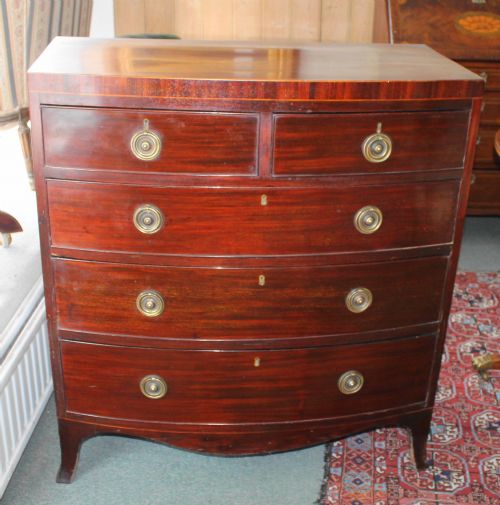
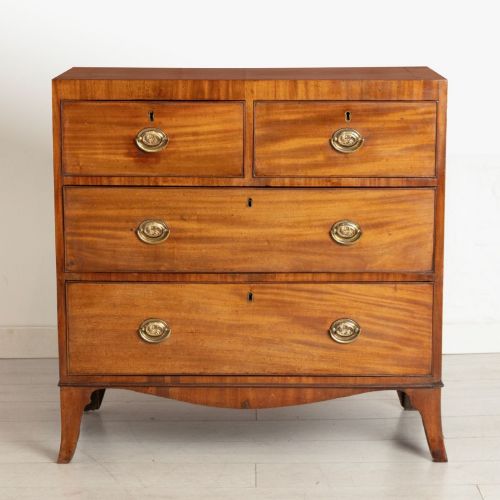
The specimens met on this page range from compact camphorwood travel boxes to large teak and mahogany drawer units bound in metal. Many examples display recessed brass handles and corner reinforcement designed to withstand long journeys.
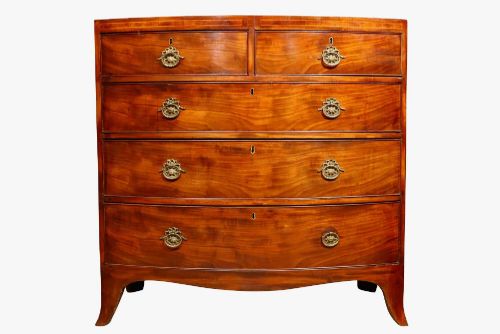
Makers and workshops of the period produced both utilitarian transport trunks and refined domestic chests with flame mahogany or walnut veneers. Buyers encounter items ranging from simple bound chests to fitted campaign desks and chests of drawers.
Materials and construction
Craftsmen built nineteenth century brass chest examples using durable timbers such as mahogany, camphorwood, teak, and walnut. Camphorwood and teak provided natural resistance to insects and moisture during overseas transport, while mahogany and walnut served formal domestic interiors.
Joinery techniques prioritised strength, utilising dovetailed drawer boxes and sectional carcases designed to separate for travel. Brass straps, brackets, and corner pieces were screwed or riveted flush to the timber surfaces to protect edges from heavy impact.
Listings feature camphorwood, teak, and mahogany secured with brass hardware across the Regency and Victorian eras.
Assessing quality in metal-bound chests
Quality rests in the integrity of the timber framing and the precision of the brass work. Superior pieces exhibit well-fitted flush mounts, original drop handles, and tight dovetail joints that remain stable across seasonal humidity changes.
The selection of cabinet timbers also dictates grade, with figured flame mahogany, rich walnut, and aromatic camphorwood marking out better examples. Untouched brass hardware with matching fixings and original locking mechanisms indicate higher standards of period production.
Arthur Wannop·Edwards and Roberts·Holtzapffel and Co·Ross and Co·Seabrook of St Pauls London
The Nineteenth Century Brass Chest Glossary
- Campaign chest
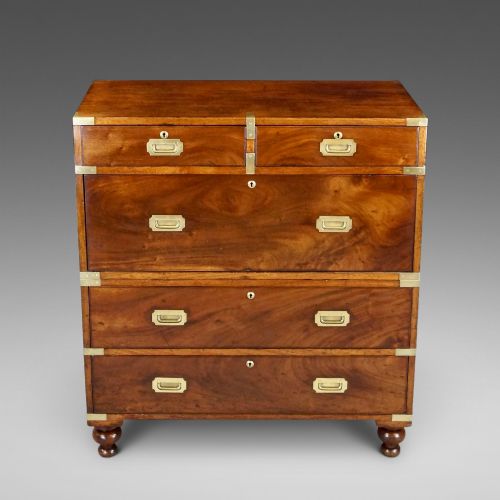
- A modular chest of drawers built in two or more sections with recessed brass pull handles for military transport.
- Camphorwood
- An aromatic dense timber native to Asia, utilised for trunks and chests to protect contents from pests.
- Ormolu
- Gilt-bronze or brass mounts cast and chased for decorative effect on French and English furniture.
- Boulle
- A marquetry technique using tortoiseshell and brass inlay, popular on nineteenth century boxes and cabinets.
- Cellarette
- A fitted container or chest designed for holding wine bottles safely during transit or dining.
Nineteenth Century Brass Chest: Frequently Asked Questions
What is a campaign chest?
A campaign chest is a portable set of drawers constructed in separate stacking sections so officers could transport their belongings during military operations.
These pieces feature inset brass handles and protective corner brackets to prevent damage on rough journeys.
How do I identify camphorwood?
Camphorwood is a dense, pale timber recognisable by its distinct aromatic scent and resistance to moisture and insects.
It appears frequently in overseas travel chests from the period.
Where were these chests used?
They served in domestic bedchambers, campaign tents, and aboard ships during long sea voyages.
Sturdy brass bindings protected the timber frames from constant movement and handling.
How do I clean brass mounts?
Brass mounts require gentle dusting and occasional cleaning with a soft cloth to maintain their natural appearance without removing historical patina.
Harsh chemical polishes should be avoided to protect the surrounding timber.