





Neoclassical Wooden Bench
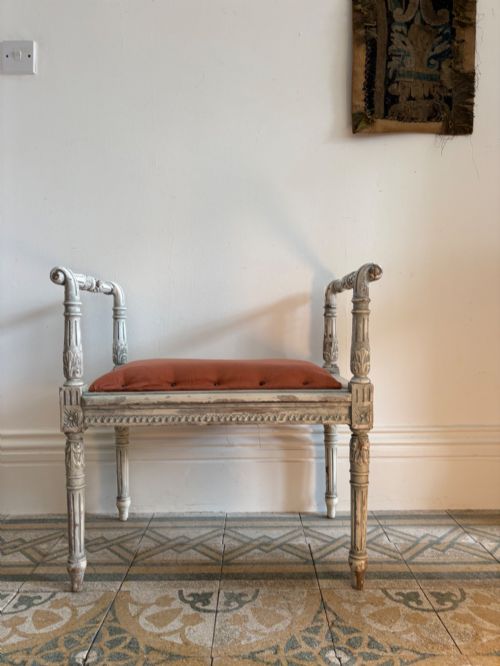
A neoclassical wooden bench brings classical restraint and painted elegance to a hallway, drawing on eighteenth and nineteenth-century European forms.
Neoclassical Wooden Bench
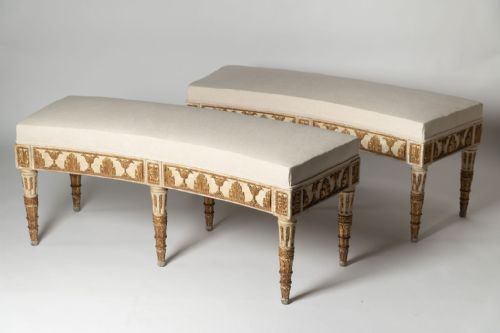
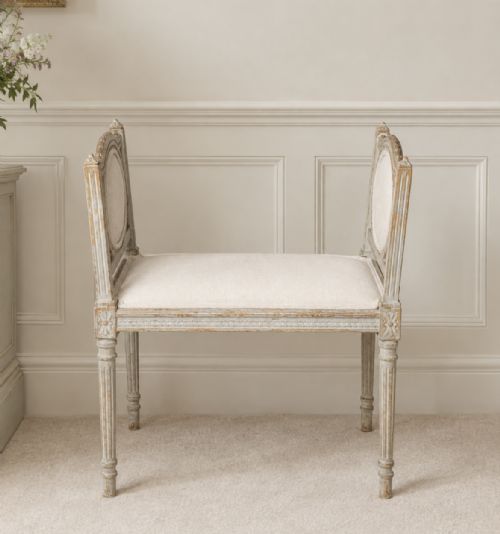
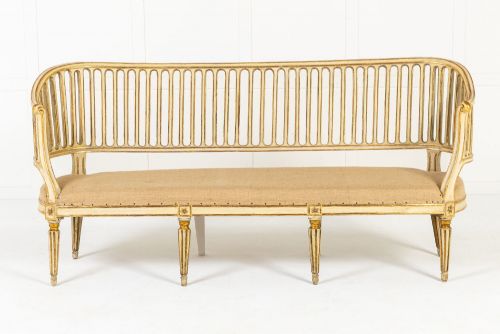
A neoclassical wooden bench encompasses long seats, settees, and stools derived from eighteenth-century and nineteenth-century revivals. When you search for a neoclassical wooden bench, you encounter forms ranging from Swedish Gustavian seating to French and Italian painted window seats.
The selection on this page relies heavily on nineteenth-century interpretations alongside eighteenth-century originals and early twentieth-century revivals. Forms vary from simple open-framed window seats and x-frame stools to triple-back settees and carved walnut empire suites.
Swedish and French influences dominate the aesthetic, frequently expressed through painted finishes, giltwood details, and refined structural symmetry. These pieces function primarily as hallway seating, window placements, or conversational furnishings in formal rooms.
Construction and materials
Carpenters utilised solid timbers such as mahogany, satinwood, walnut, and general hardwoods to build the structural frames of these seats. Painted and giltwood surfaces appear frequently, often layered over a prepared gesso base to accept fine detail and burnished gold leaf.
Listings span from the eighteenth century through to the early twentieth century, capturing both original period pieces and later Edwardian revivals in painted wood, mahogany, and giltwood.
Judging quality and craftsmanship
The refinement of the carving separates standard production from superior examples, particularly in the crispness of acanthus leaves, fluted legs, and rosettes. Hand-carved wooden details exhibit depth and deliberate chisel work, whereas lesser pieces rely on shallow moulding or heavy, unrefined application.
The integrity of the painted or gilt surface dictates much of the visual success, with aged patination holding more appeal than flat modern repainting. Original joinery, tight frame construction, and authentic period upholstery foundations further distinguish the finer survivals.
The Neoclassical Wooden Bench Glossary
- Gustavian
- The Swedish interpretation of French neoclassical design, characterised by pale painted finishes, restrained carving, and functional elegance. This style emerged during the late eighteenth century under King Gustav III.
- Giltwood
- Timber coated with a thin layer of gold leaf over a prepared ground. It provides a luminous surface that catches candlelight and natural daylight in formal interiors.
- Settee
- A long wooden or upholstered seat with a back and arms, designed to accommodate multiple people. These pieces sit between a chair and a full sofa in scale.
- Window seat
- A specialised form of bench built to fit the width of a window recess. They often feature low arms and upholstered or caned tops designed for sitting by the glass.
- Canework
- Woven rattan or cane applied to seat frames or back panels. This technique lightens the visual weight of heavy wooden furniture.
Neoclassical Wooden Bench: Frequently Asked Questions
How do I style a wooden bench?
Place a neoclassical wooden bench in a wide hallway or beneath a tall window to establish a formal architectural focal point. Pair the piece with neutral walls to let the painted or gilt finish stand out.
Add a simple linen or silk cushion to provide comfort while preserving the clean lines of the original frame. Avoid overcrowding the area with heavy side tables so the proportions of the bench remain prominent.
Are these benches comfortable for daily use?
Many of these pieces were built for formal reception rooms or occasional seating rather than lounging. Upholstered versions offer a softer seat, while wooden or caned surfaces provide a firmer rest.
Consider adding a bespoke squab cushion if you intend to use a wooden or caned bench for extended periods. This adaptation improves comfort without altering the antique frame.
How do I identify Gustavian pieces?
Look for pale grey, white, or cream painted finishes that have aged with a soft, chalky patina. The carving is typically more restrained than French counterparts, favouring straight tapered legs and subtle fluting.
Swedish makers drew heavily on Louis XVI aesthetics but simplified the vocabulary to suit Nordic interiors. This restraint creates a distinct sense of calm and geometric order.
How should I clean painted wood?
Dust the surface regularly with a soft, dry cloth to prevent dirt from settling into the aged paint or gesso. Avoid chemical sprays or excessive moisture, which can lift fragile historic paint layers.
Consult a conservator if the painted or gilt surface shows signs of flaking. Professional stabilisation preserves the original finish for future generations.