


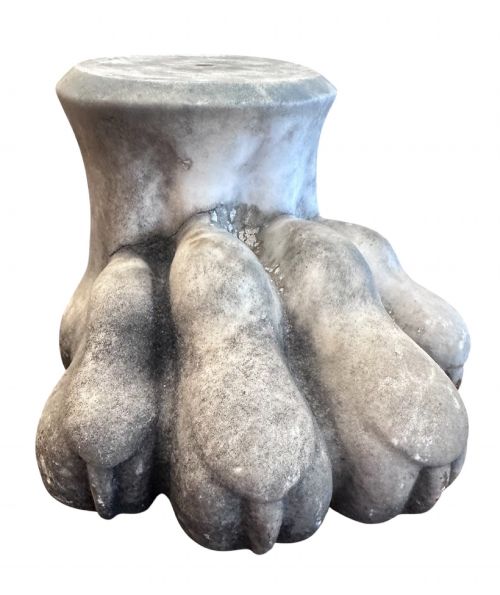

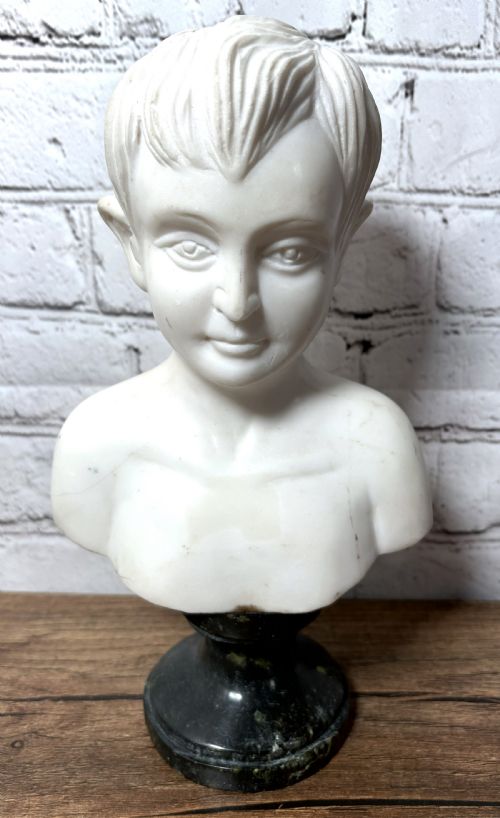


Neoclassical Stone Pedestal
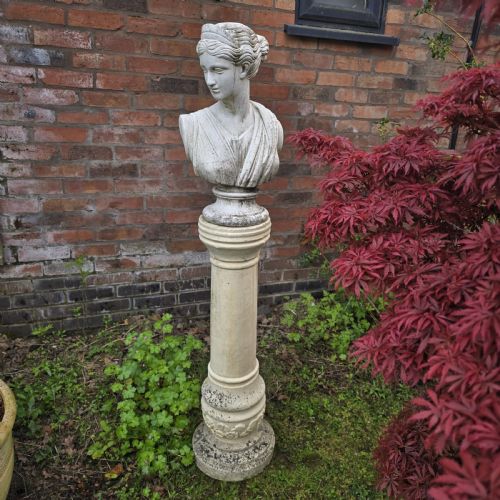
A neoclassical stone pedestal elevates sculpture, urns and lamps with architectural discipline, bringing classical proportion and carved weight into a room.
Neoclassical Stone Pedestal
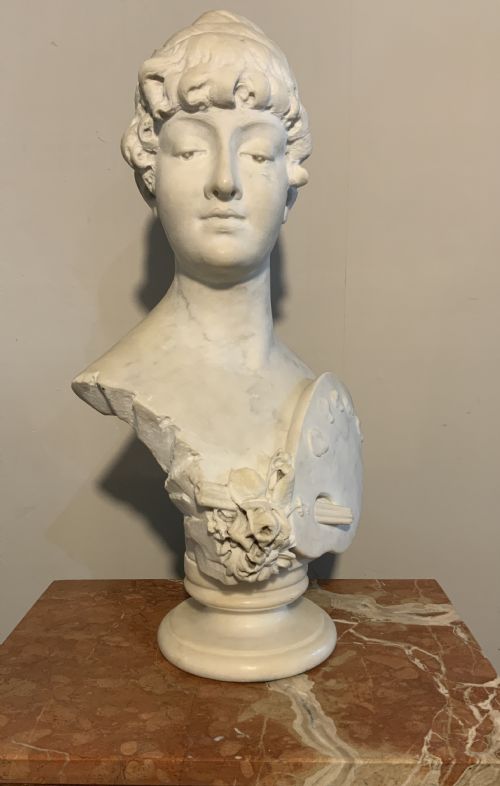
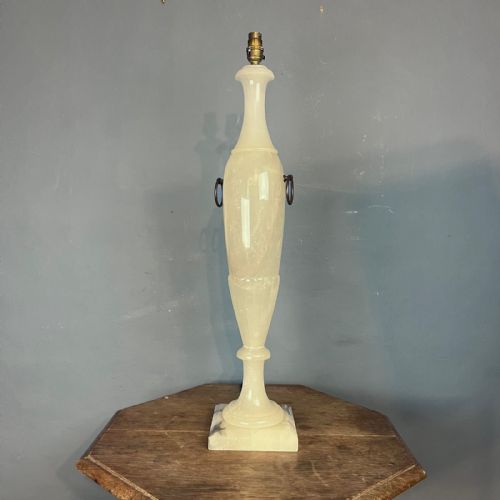
A neoclassical stone pedestal provides a sturdy architectural mount for busts, urns, and lighting, shaped by classical design principles. Pieces in this category draw on aesthetic traditions spanning the Victorian and Edwardian eras, alongside items from the nineteenth century, nineteen-twenties, thirties, and fifties.
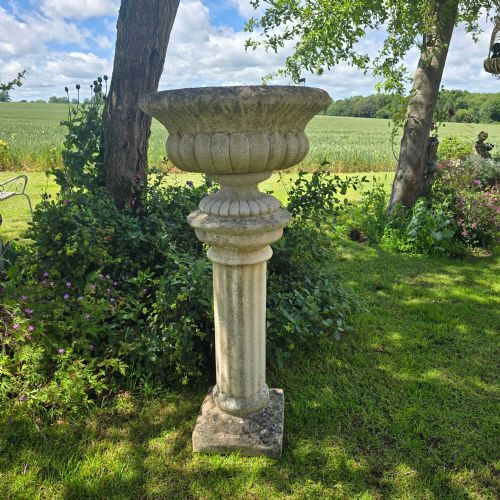
The selections range from dedicated torchere stands and columns to garden statuary plinths, often reflecting Italian craftsmanship and Grand Tour influences. Buyers frequently encounter formats designed specifically to display table lamps, floor lamps, or botanical displays alongside monumental architectural elements.
Materials and Techniques
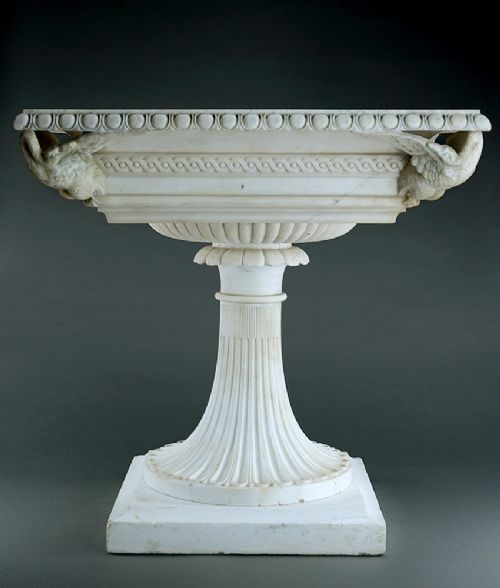
Carved natural stone and marble form the structural backbone of these pieces, utilising materials such as Carrara, Sienna, Verde Antico, and alabaster. Artisans shaped these dense minerals through precise chiselling, turning, and polishing to highlight natural veining and figuration.
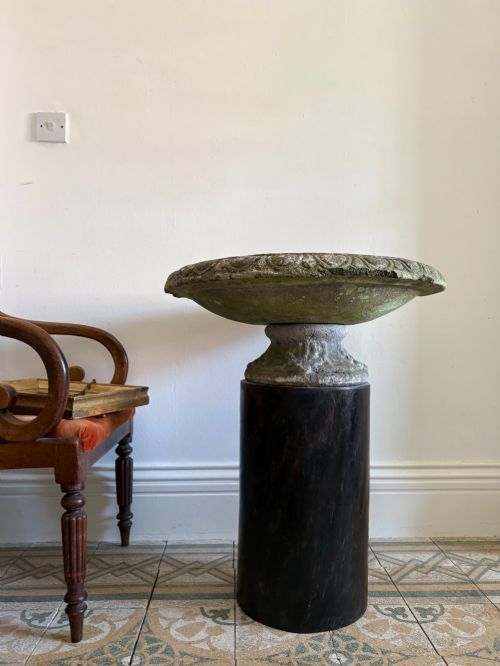
Alternative examples employ cast stone, reconstituted stone, and stoneware, formed in moulds to replicate ancient architectural motifs like acanthus leaves and fluted columns. Scagliola surfaces additionally appear, providing a polished plaster technique that imitates solid decorative stone.
Listings feature items dated across the nineteenth century, Edwardian period, and the nineteen-twenties, thirties, and fifties.
Craftsmanship and Material Depth
Quality rests in the selection of the mineral and the crispness of the carving, distinguishing deeply figured marbles like Arabescato or Antico Rosso from simpler cast compositions. Superior examples demonstrate deliberate attention to proportion, smooth weight distribution, and hand-finished architectural details.
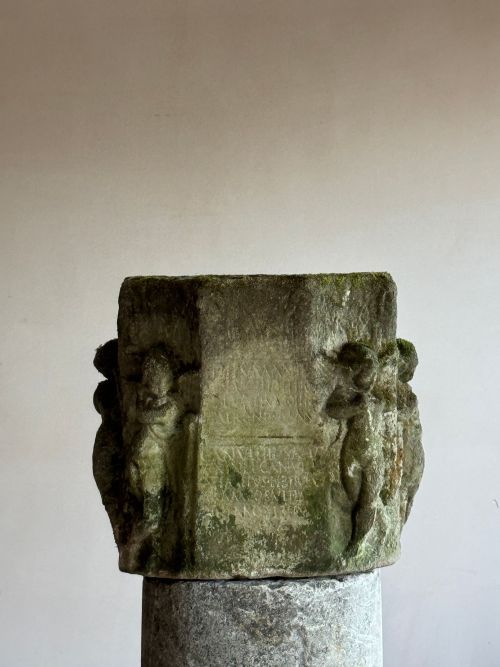
The handling of surface patination and weathering alters the character of exterior stone and garden pieces, where integration with the natural environment defines the piece. In interior columns and lamp bases, the precision of the turning and the depth of the polish dictate the visual presence of the work.
The Neoclassical Stone Pedestal Glossary
- Neoclassical
- A style reviving the classical art and architecture of ancient Greece and Rome. This design movement prioritises symmetry, straight lines, and classical orders.
- Grand Tour
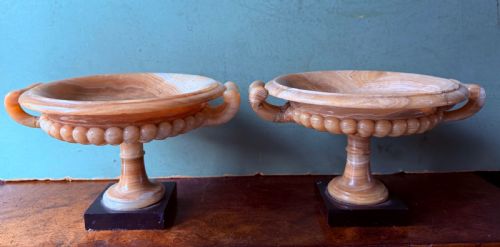
- A cultural journey undertaken by wealthy young Europeans to study classical antiquity. Souvenirs from these travels included miniature architectural models and carved stone tazzas.
- Tazza
- A shallow cup or bowl mounted on a stem and foot, frequently carved from marble or alabaster. These decorative vessels often mirror ancient archaeological finds.
- Scagliola
- A composite material made from selenite, glue, and pigments, embedded to imitate marble and other fine stones. Craftsmen apply this technique to create smooth, decorative architectural columns and pedestals.
- Torcherere
- A tall stand or pedestal originally designed to support a torch or candle, later adapted for lamps. These slender supports elevate lighting sources to enhance room illumination.
Neoclassical Stone Pedestal: Frequently Asked Questions
What is a neoclassical stone pedestal used for?
These pieces serve as architectural supports for displaying heavy items like marble busts, bronze sculptures, and large floral urns. They elevate objects to eye level, framing them within a room or garden space.
In domestic interiors, taller versions frequently function as torchere stands or floor lamp bases. Their solid construction ensures stable placement for fragile decorative arts.
How do I clean and maintain marble?
Routine maintenance requires only a soft, dry cloth to remove dust from carved surfaces and intricate mouldings. Avoid harsh chemical cleaners or acidic substances that can etch polished stone.
For pieces displayed outdoors, gentle washing with water helps manage environmental weathering without damaging the structural integrity of the stone or cast composition.
Can these pedestals support heavy sculptures?
Natural stone and marble columns possess substantial weight-bearing capacities suited for heavy busts and stone urns. The dense composition of materials like Carrara marble and granite provides inherent stability.
When positioning large sculptures, ensure the base rests on flat, level flooring to distribute the heavy load evenly across the foundation.
Where should I place a stone pedestal?
Interior placement depends on the scale of the room and the object displayed, often anchoring a corner, an entryway, or a formal living space. Natural light helps accentuate the veining and polished finish of materials like alabaster and Sienna marble.
Garden installations require stable ground, allowing weather-resistant cast stone and stoneware to integrate naturally with outdoor foliage and stonework.