


Neoclassical Sconces
Neoclassical sconces illuminate domestic interiors with disciplined architectural restraint, channelling ancient Greek and Roman motifs into gilded bronze, brass and carved wood fixtures.
Neoclassical Sconces
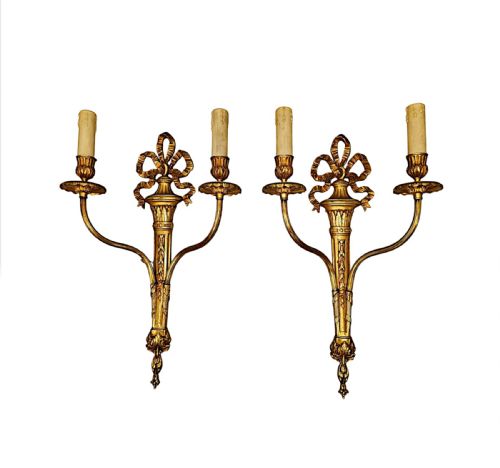
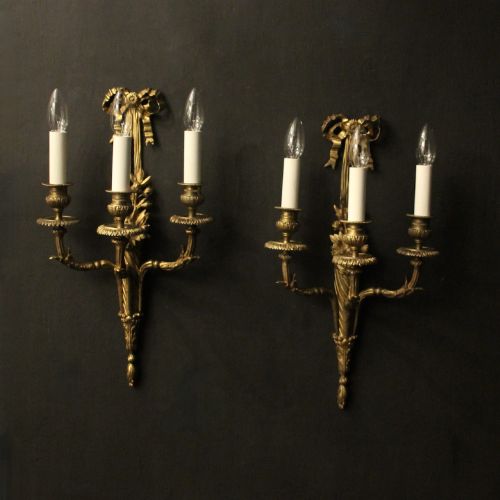
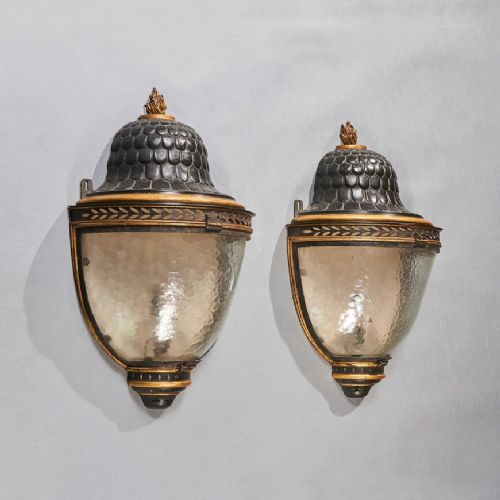
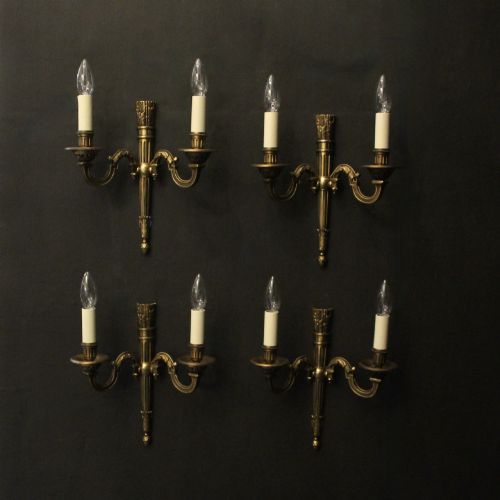
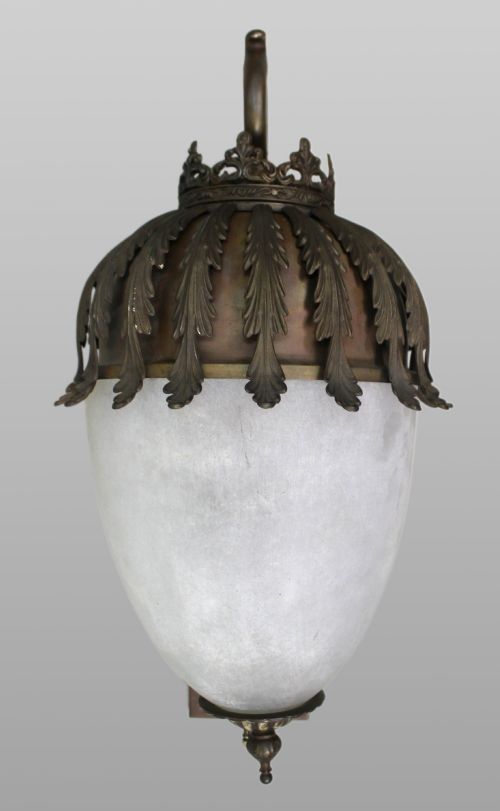
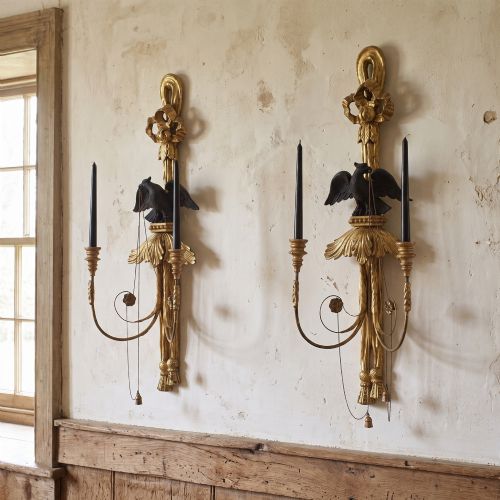
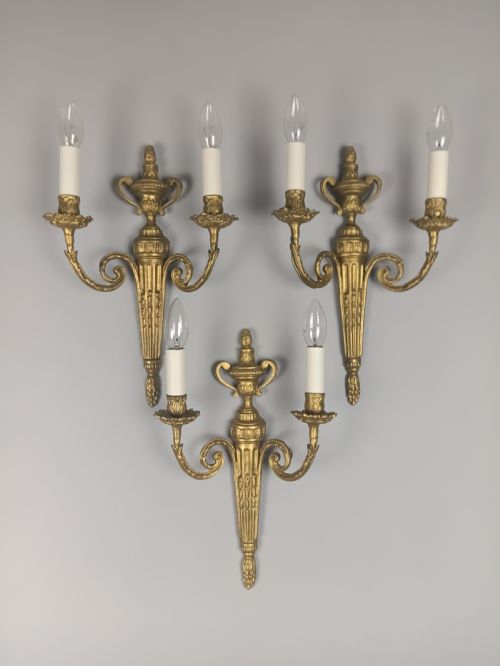
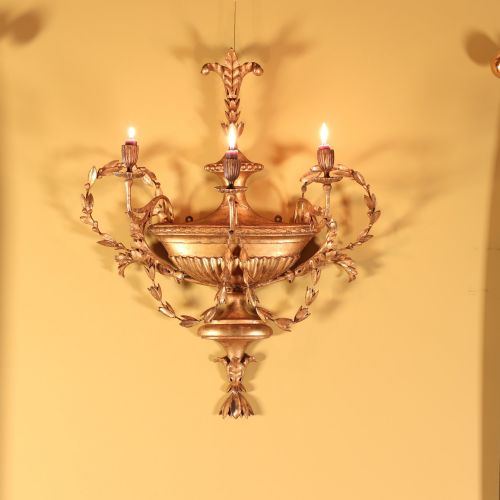
Neoclassical sconces take the form of wall lights, girandole mirrors, lanterns and brackets designed to project candle or electric illumination across a room. They emerge from eighteenth-century Georgian and Louis XVI aesthetics, continuing through nineteenth-century revivals into early twentieth-century French and English production.
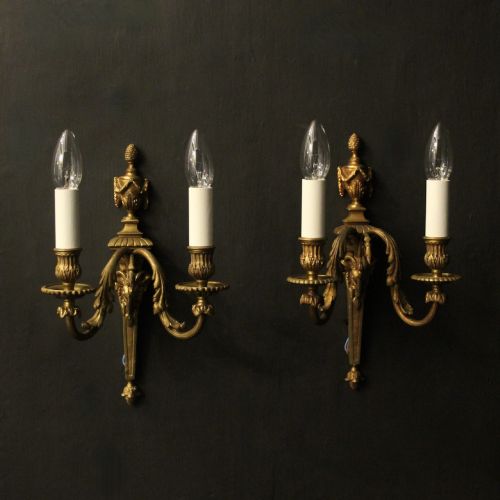
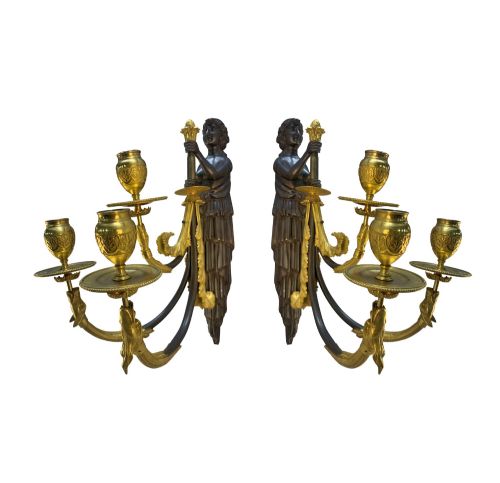
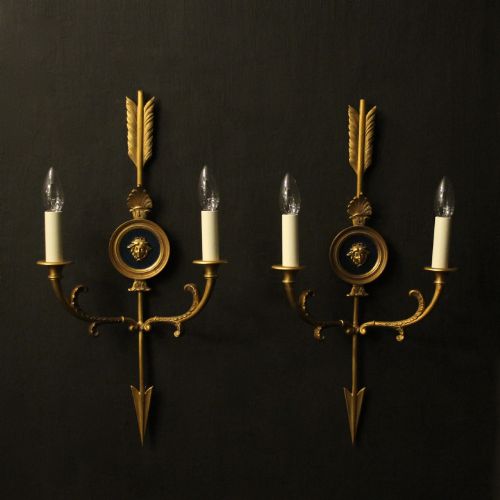
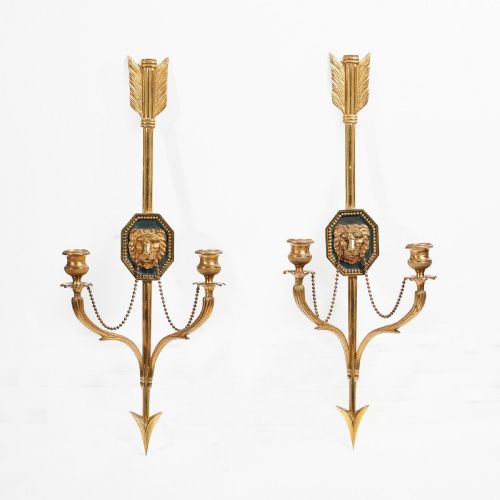
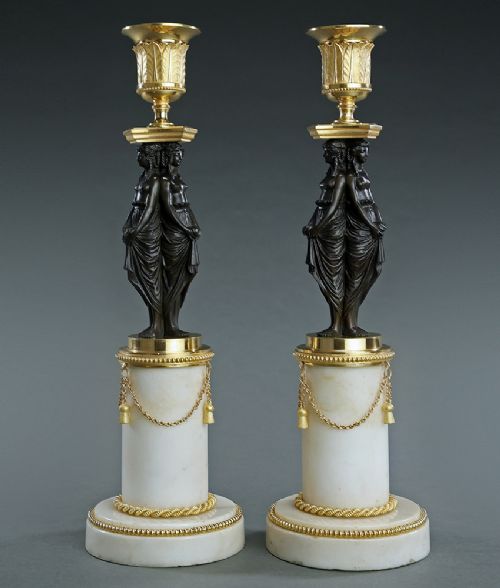
Buyers encounter matched pairs, larger sets of four or six, and single brackets shaped by French Empire, Adam and classical revival tastes. The surviving examples rely on architectural symmetry, urns, torches, caryatids and ram's head masks to anchor their historical vocabulary.
Materials and construction
Foundry workers cast bronze, brass and ormolu into complex symmetrical armatures, often finishing surfaces with mercury gilding, silvering or patination. Carvers shaped timber and gesso into giltwood frames, wall brackets and girandole mirrors.
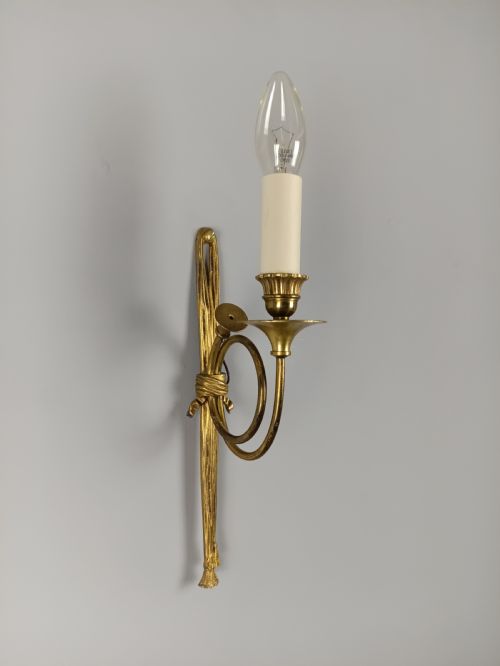
Joinery and metal-fitting techniques unite multi-part wall lights, securing arms, backplates and drip pans with threaded pins or brackets. Glass elements, including flaming torch shades and crystals, integrate with metal mounts to diffuse light.
Neoclassical Sconces Retail Price Guide 2026
Typical asking prices for neoclassical sconces among the pieces listed under this phrase on Sellingantiques today, from the lower quarter to the upper quarter. They describe what is for sale here now, not the wider market.
Listings feature brass, gilt bronze, ormolu, giltwood and gesso across Georgian, 18th-century, 19th-century and early 20th-century periods.
Craftsmanship and articulation
Construction depth separates standard wall brackets from exceptional examples possessing articulated arms or layered composition. Carved giltwood displays either deep, precise undercut foliage or shallow, flat relief work.
Henri Vian
The Neoclassical Sconces Glossary
- Ormolu
- Gilded bronze produced through an amalgamation of mercury and gold applied to a base metal. This technique creates a durable, warm metallic surface common in French lighting.
- Girandole
- A branched wall light incorporating a mirror backplate. The reflective glass multiplies the illumination cast by the candles.
- Gesso
- A plaster-like mixture applied to wood surfaces as a base for gilding. It allows carvers to build up crisp decorative relief before applying gold leaf.
- Tole peinte
- Painted sheet metal used to form lightweight lanterns and shades. It frequently mimics darker patinated metals or carries applied gilding.
- Caryatid
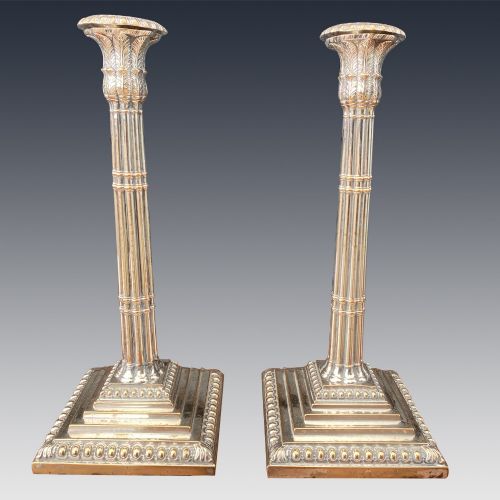
- A sculpted female figure serving as an architectural support. These appear on wall lights and candlesticks in place of standard columns.
Neoclassical Sconces: Frequently Asked Questions
How do I wire antique wall lights?
Electric conversion requires routing thin flex through the hollow cast arms or backplates without damaging historic metal surfaces. Professional electricians use heat-resistant sleeving to preserve the internal integrity of nineteenth-century brass and bronze fixtures.
Many pieces retain original backplates adapted for modern wall brackets, allowing secure mounting while keeping historic wiring paths concealed behind the fixture.
How do I clean gilded bronze sconces?
Dust accumulates within the chased crevices of ormolu and gilt bronze over decades, requiring only a soft dry brush for routine maintenance. Avoid chemical dips or abrasive metal polishes that strip away the delicate mercury gilding.
Water and harsh detergents damage gesso and painted surfaces on wooden frames. Gentle dusting remains the safest method for preserving historic patination.
Are these sconces French or English?
French pieces often utilise high-purity gilt bronze with crisp, classical figural motifs like caryatids and ram's head masks reflecting Louis XVI and Empire taste. English examples frequently favour carved giltwood, brass, or Sheffield plate following Georgian and Adam designs.
Checking the casting methods, backplate stamps and secondary woods helps determine whether a workshop operated in Paris or London.
What is a girandole mirror?
A girandole combines a central wall mirror with integrated candle arms extending from the frame. The reflective glass amplifies the limited light produced by eighteenth-century candles.
These carved giltwood and gesso pieces function as decorative focal points in formal rooms, pairing reflective surfaces with sculptural neoclassical framing.