



Neoclassical Pottery
Neoclassical pottery brings classical antiquity into domestic spaces through refined stoneware and earthenware shaped by enduring motifs.
Neoclassical Pottery
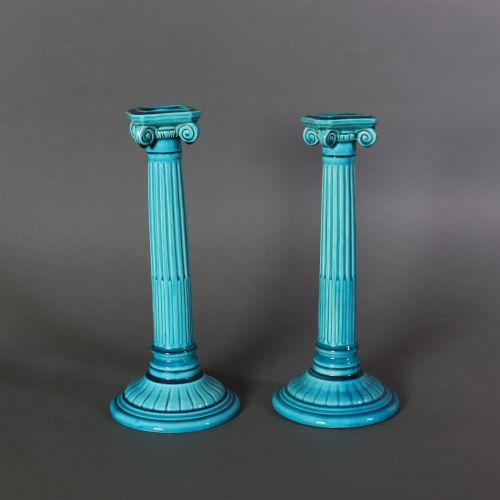
Neoclassical pottery encompasses a distinct group of vessels and decorative objects created under the influence of ancient Greek and Roman art. When searching for neoclassical pottery, buyers encounter functional and decorative items ranging from tea sets and wine jugs to candlesticks and vases.
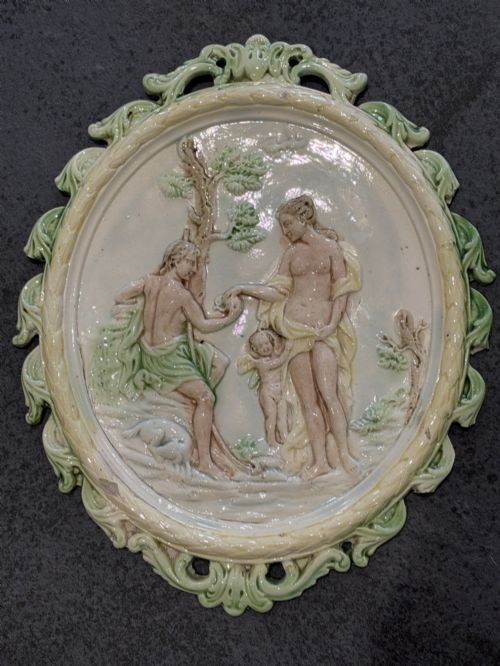
The pieces on this page span the eighteenth and nineteenth centuries, capturing Georgian, Regency, and Victorian interpretations of classical forms. Collectors frequently find stoneware and earthenware items featuring low-relief figures and classical ornamentation.
Vessels vary from utilitarian items such as chamber pots and creamware jugs to ornamental biscuit barrels and patch boxes. Many examples demonstrate the enduring popularity of classical antiquity across different decades of production.
Materials and construction
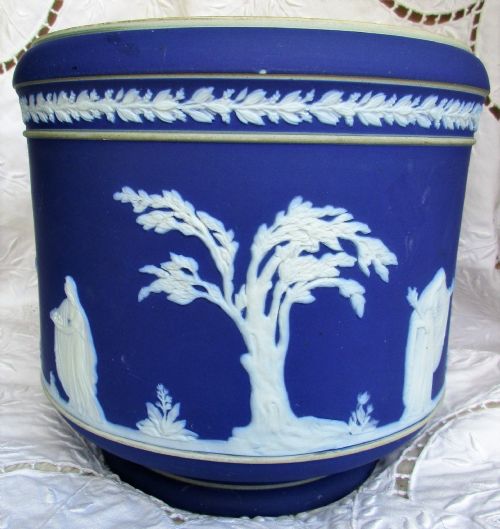
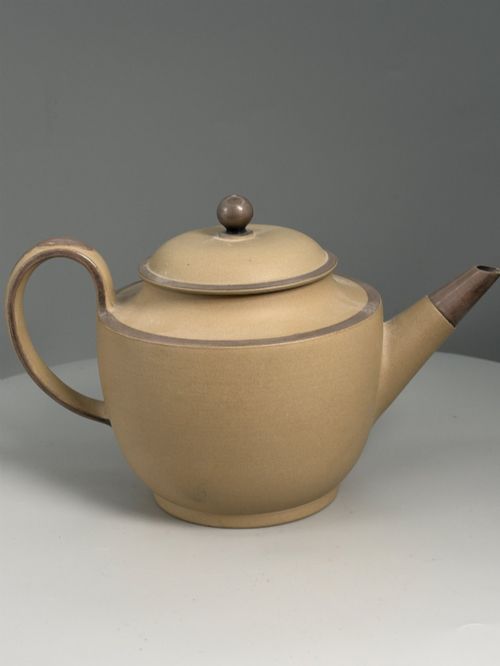
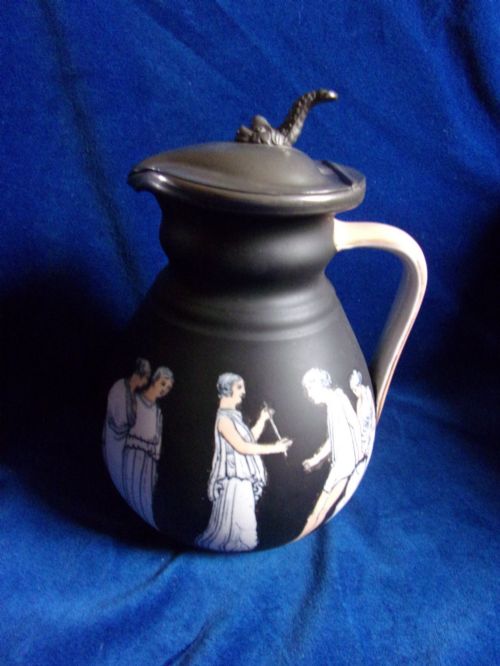
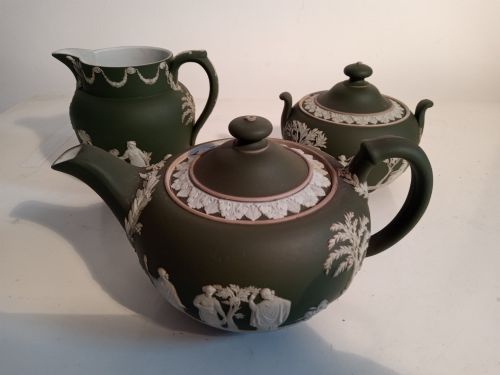
Makers utilised fine stoneware and creamware to achieve the smooth surfaces necessary for detailed classical moulding. Body materials range from unglazed jasperware to glazed earthenware and faience.
Applied relief decoration in contrasting colours characterises many pieces, requiring precise modelling and careful attachment before firing. Pewter lids and silver plate mounts occasionally finish functional vessels like wine jugs and biscuit barrels.
Neoclassical Pottery Retail Price Guide 2026
Typical asking prices for neoclassical pottery among the pieces listed under this phrase on Sellingantiques today, from the lower quarter to the upper quarter. They describe what is for sale here now, not the wider market.
Even a humble chamber pot received the neoclassical treatment, proving the Georgians brought classical dignity to every corner of the house.
Assessing quality and execution
The crispness of the moulded relief work separates ordinary production from finer examples. Sharp detailing on figures and foliage indicates superior skill in the original mould-making and application.
Consistency in the body colour and evenness of the glaze or matte surface determine the visual harmony of the finished piece. Harmony between ceramic bodies and applied metal mounts, such as pewter lids, also influences the overall standard of the object.
Wedgwood·Burmantofts Faience·Leeds Pottery·P. Ipsens Enke·Adams
The Neoclassical Pottery Glossary
- Creamware
- A refined light-coloured earthenware developed in the eighteenth century, notable for its pale yellow or cream glaze. Leeds Pottery produced notable examples of this material.
- Faience
- Tin-glazed earthenware decorated with opaque coloured glazes. Burmantofts produced notable examples in the late nineteenth century.
- Bisque
- Unbleached, unglazed porcelain or ceramic fired once to create a matte, porous finish. This surface resembles carved marble, making it popular for figurative vases.
- Relief
- Sculptural projection from a flat background surface. Neoclassical pottery frequently utilises low-relief classical figures.
Neoclassical Pottery: Frequently Asked Questions
What is jasperware?
Jasperware is a fine-grained, unglazed stoneware developed during the eighteenth century. It is famous for its matte finish and contrasting white relief decorations.
Most pieces appear in blue or green, though other shades exist. The surface mimics carved marble and stone associated with antiquity.
How do I date these pieces?
Dating relies on stylistic markers, potter's marks, and material composition. Eighteenth-century pieces often feature creamware bodies, while Victorian examples lean towards stamped stoneware and specialised glazes.
Maker's marks stamped into the base provide the most reliable guide to the exact decade of manufacture.
How were biscuit barrels used?
Biscuit barrels served as lidded containers for dry biscuits or crackers during tea service and dining. They often included metal mountings and swing handles.
Wealthy households displayed them on the dining table or sideboard alongside tea sets.
Are these items waterproof?
Unglazed jasperware and bisque pieces are porous and unsuitable for holding water directly. They function primarily as decorative vases or dry containers.
Glazed earthenware and creamware items can hold water, though antique glazes warrant gentle handling.