



Neoclassical Pendant Light
A neoclassical pendant light brings formal symmetry and classical motifs into a room, drawing the eye upwards with disciplined bronze, brass, and glass.
Neoclassical Pendant Light
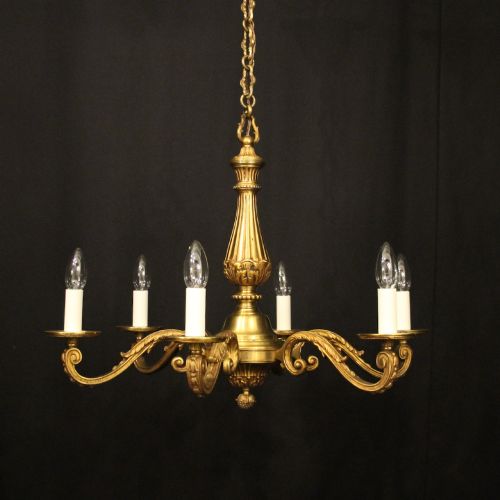
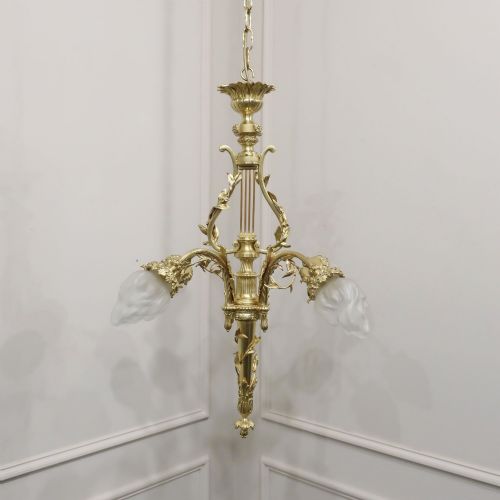
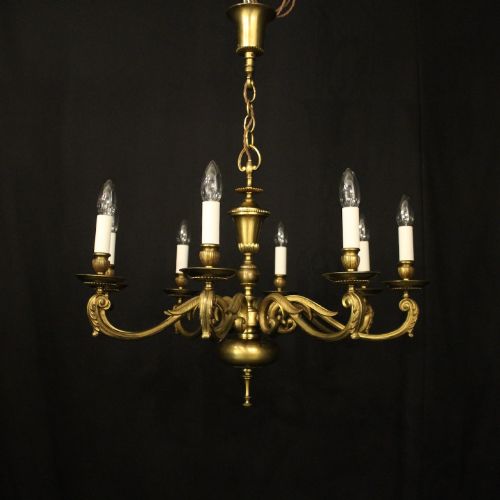
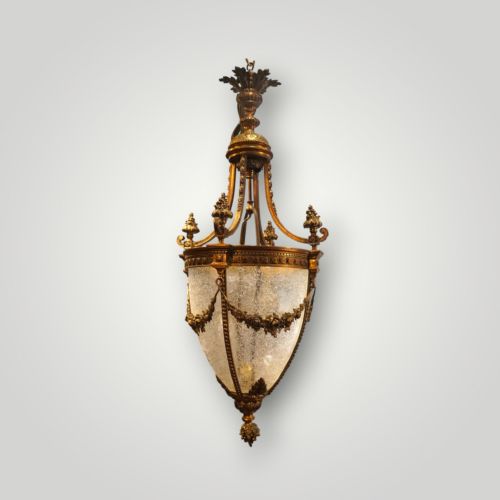
When you search for a neoclassical pendant light, you encounter hanging fixtures that draw on ancient Greek and Roman design principles, favouring balance, urns, garlands, and strict geometric proportions. These pieces range from restrained lanterns to multi-tiered chandeliers spanning several decades of production from the nineteenth and twentieth centuries.
Materials such as brass, gilt bronze, ormolu, and frosted glass dominate the forms, often combined with cut crystal or painted glass shades. Dating spans from the mid-nineteenth century through the Edwardian era and into the mid-twentieth century, capturing enduring revivals of classical taste.
Materials and construction methods
The construction of these hanging fixtures relies on cast metals, predominantly brass and bronze, which are frequently gilded or finished as ormolu to achieve a bright, reflective surface. Artisans assembled these frames using mechanical fixings, hand-chased details, and structural rods designed to bear the weight of glass panels and multiple candle arms.
Glass elements, including blown shades, convex panes for lanterns, and cut crystal drops, complement the metalwork through optical clarity and light diffusion. Silver plating and ebonised wood details also appear in specific examples, adding textural contrast to the primary metal framework.
Several fixtures preserve whimsical decorative touches, incorporating cast bronze cherubs and rams heads alongside formal classical acanthus leaves.
Distinguishing quality in hanging fixtures
Quality reveals itself in the crispness of the cast bronze or brass ornament, where finer examples display sharp relief on motifs like rams heads, cherubs, and leaf swags rather than soft, blurred edges. The weight and thickness of the metal frame indicate structural integrity and the amount of hand-finishing applied by the maker.
Secondary elements such as the quality of the glass, the precision of the joints, and the integrity of the original gilding separate standard production from superior pieces. Well-executed period wiring adaptations and solid suspension hardware also contribute to the lasting cohesion of the fixture.
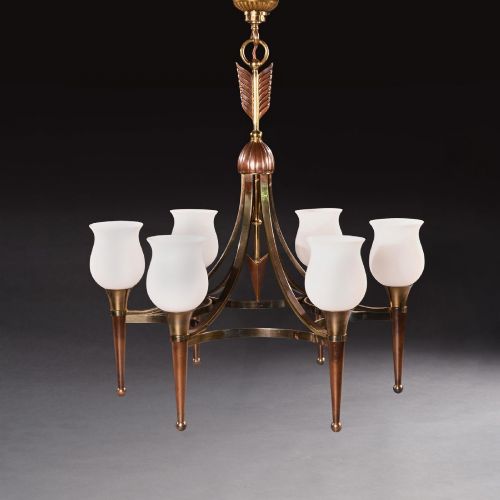
MAISON JANSEN·ANDRE ARBUS
The Neoclassical Pendant Light Glossary
- Ormolu
- Gilded bronze produced by applying a mercury and gold amalgam to a bronze base and heating it until the mercury vaporised. This technique creates a durable, golden matte finish seen on high-end period light fittings.
- Plafonnier
- A ceiling-mounted light shade, typically made of glass or porcelain, that sits flush or very close to the ceiling surface. It diffuses light evenly across smaller rooms and hallways.
- Tent and basket
- A chandelier configuration featuring strings of beads arranged in a tent shape above a lower bowl or basket composed of metal and glass drops. This design refracts light through numerous individual glass elements.
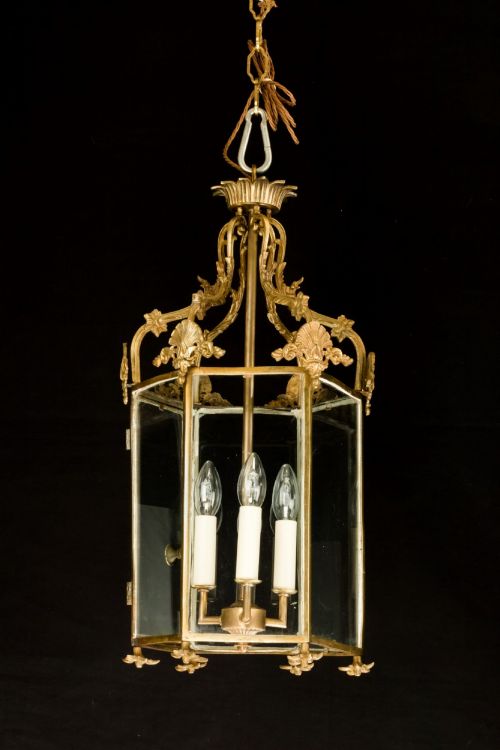
- Hall lantern
- An enclosed hanging light designed for corridors and entranceways, usually featuring glazed panels held within a metal frame. These fixtures protected open flames from drafts in high-traffic spaces.
- Chased
- Metalwork that has been worked from the front using hammers and punches to refine and sharpen cast decorative details. Fine chasing separates masterwork bronzes from simpler cast items.
Neoclassical Pendant Light: Frequently Asked Questions
What is the difference between Empire and Regency styles?
Empire style emerged from Napoleonic France, favouring heavy gilt bronze, military motifs, and Roman imperial symbols. Regency style developed concurrently in England, often incorporating lighter brass inlay, ebonised surfaces, and delicate classical proportions.
Both draw heavily on ancient models, but French pieces tend toward grander scale and opulent bronze work while English equivalents remain more restrained.
Can I adjust the drop of an antique lantern?
Shortening or lengthening the hanging chain requires adding or removing links of matching metal while ensuring the internal electrical cord is safely managed. Professional assistance guarantees that the structural weight remains supported by the chain rather than the wire.
Maintain the original suspension loops whenever possible to preserve the physical integrity of the vintage metalwork.
How should I clean antique gilt bronze?
Dust the metal surfaces regularly with a soft, dry microfibre cloth to prevent particulate accumulation. Avoid abrasive cleaners, water, or chemical solvents that can strip historic patination or fragile gilding.
Consult a professional restorer if deeper cleaning becomes necessary to prevent permanent damage to delicate ormolu finishes.