


Neoclassical Male Portrait
A neoclassical male portrait captures the idealised dignity of antiquity in marble, bronze, plaster, oil paint and charcoal.
Neoclassical Male Portrait
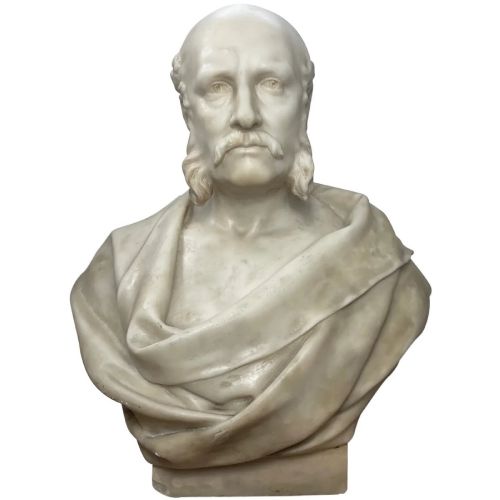
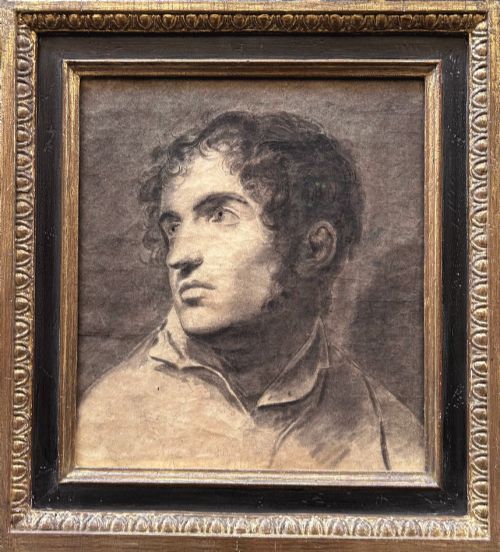
A neoclassical male portrait represents statesmen, philosophers, emperors and young gentlemen through the lens of classical antiquity. These pieces take the form of monumental civic marble busts, library plaster casts, framed drawings and oil paintings on canvas. Originating across Britain, France, Germany and Austria, they span periods from the eighteenth century through the Victorian era and into the early twentieth century.
The version most commonly met on this page is the sculptural bust, rendered in white marble or plaster, depicting named historical figures such as Homer and Augustus alongside anonymous young men and gentlemen. Alongside these three-dimensional works, buyers encounter framed charcoal drawings on paper and oil paintings depicting subjects in the eighteenth-century European and Regency manners. Each piece adopts the restrained proportions and formal gravity characteristic of the neoclassical style.
How They Were Made
Sculptural works in this selection rely on carved white marble and moulded plaster, sometimes utilising patinated bronze for substantial busts and figures. Marble carving requires skilled hand-chiseled removal of stone to achieve smooth facial contours and draped garments, whilst plaster busts are cast from moulds to capture fine detail for library and domestic display.
Materials in these listings span white marble, plaster, bronze, oil on canvas, charcoal, paper, giltwood and ebonised wood.
What Varies in Quality
Quality rests in the fidelity of the carving or the sureness of the brushwork, distinguishing workshop output from master production. In sculptural pieces, crispness in the rendering of hair, musculature and drapery separates fine work from softer, less articulated casting and carving.
Surface finish and material selection further define the standard of a piece. Dense, unblemished white marble and rich bronze patination carry greater visual weight than chalky plaster, just as oil paintings with confident tonal gradations surpass more rigid academic exercises.
Mathurin Moreau·Angelica Kauffman
The Neoclassical Male Portrait Glossary
- Bust
- A sculpted or painted representation of a person from the chest up. This form focuses attention upon the facial expression and headgear.
- Grand Tour
- A cultural journey undertaken by wealthy young Europeans to view classical antiquities. Souvenirs often included scaled busts of ancient figures.
- Patina
- The surface sheen or colour acquired by materials like bronze and wood through age and handling. A fine patina indicates natural oxidation and wear.
- Giltwood
- Wood that has been coated with a thin layer of gold leaf. It commonly frames oil paintings and drawings from the eighteenth and nineteenth centuries.
Neoclassical Male Portrait: Frequently Asked Questions
What is a neoclassical male portrait?
A neoclassical male portrait is a sculpture, drawing or oil painting depicting a man in the classical style of antiquity.
These works range from white marble busts of Roman emperors to oil paintings of eighteenth-century gentlemen.
How were library busts displayed?
Library busts were typically placed upon bookshelves, pedestals or mantelpieces in private studies and libraries.
Plaster and marble versions served both as decorative objects and as symbols of classical learning.
What materials are common?
Common materials include white marble, plaster, bronze, oil on canvas and charcoal on paper.
Sculptors favoured marble and bronze for durability, whilst plaster provided an accessible medium for library casts.
How do I date a plaster bust?
Dating relies upon the surface texture, the style of the base and the recorded period of the foundry or workshop.
Nineteenth-century pieces often show specific patination and mounting techniques distinct from later twentieth-century casts.