
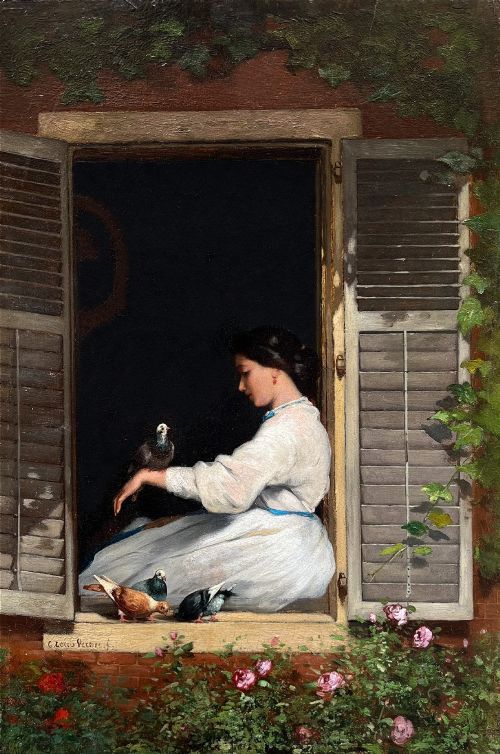
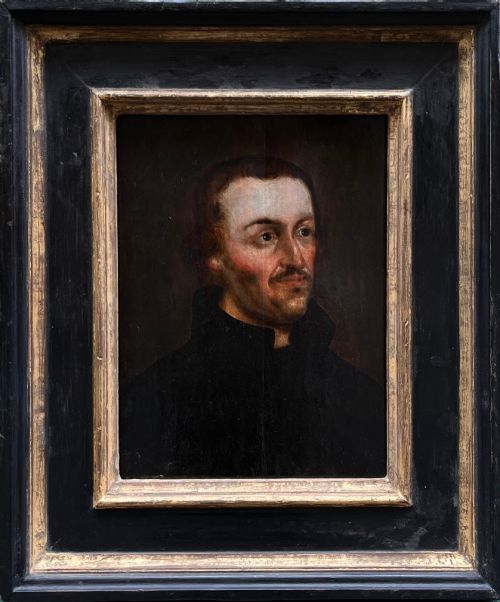
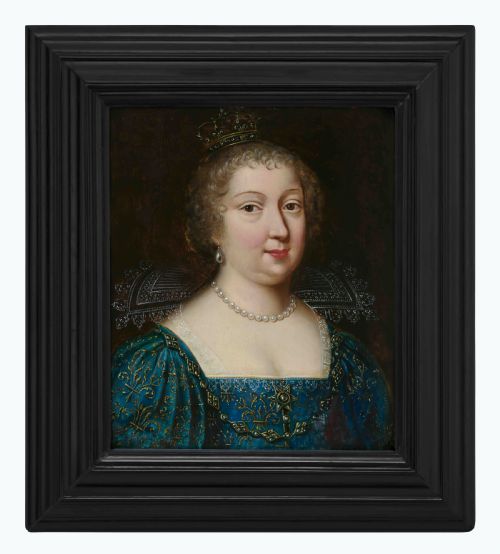


European Portrait
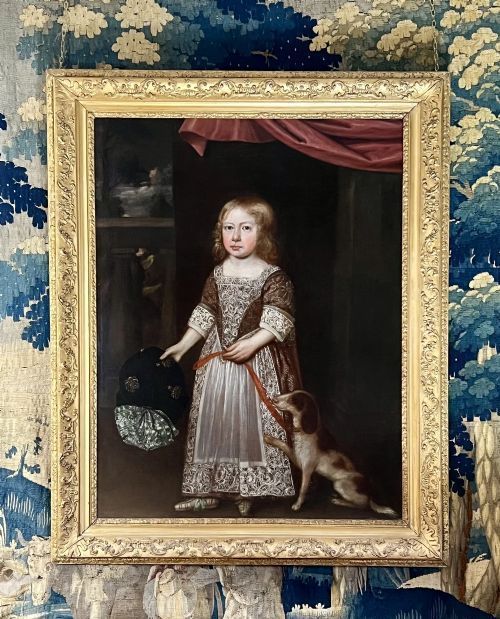
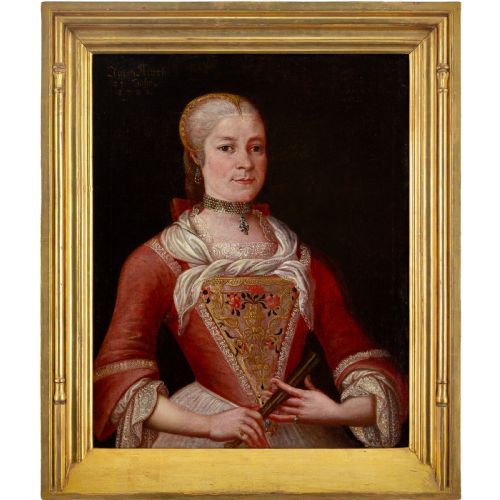
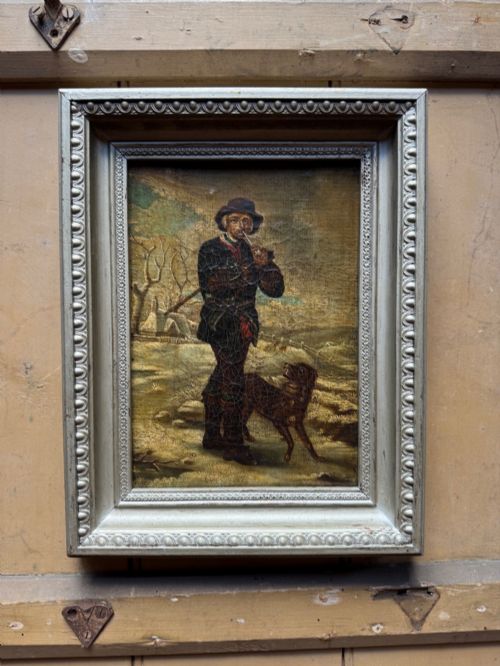
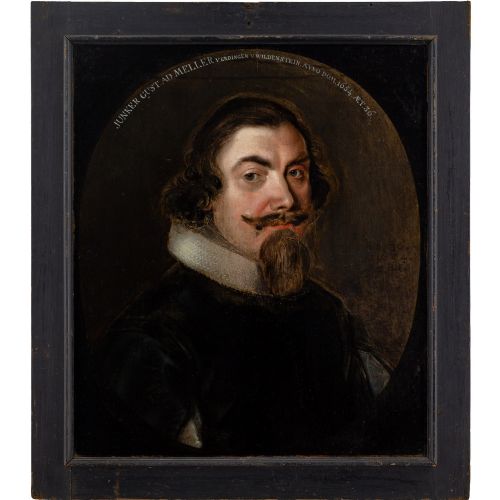
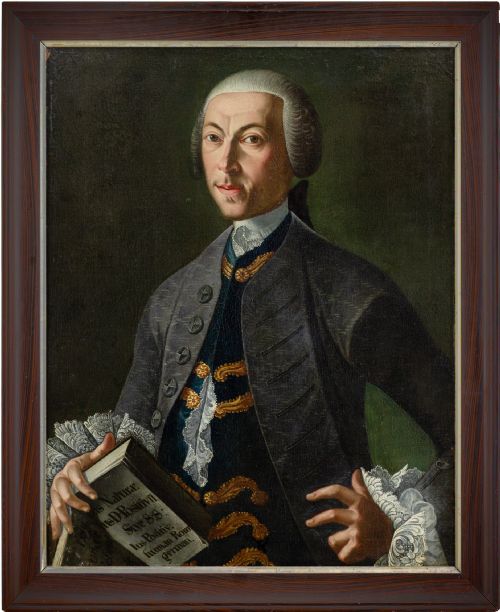
A european antique portrait captures historical identity through oil on canvas, wood panels, and carved marble sculptures spanning multiple centuries.
European Portrait
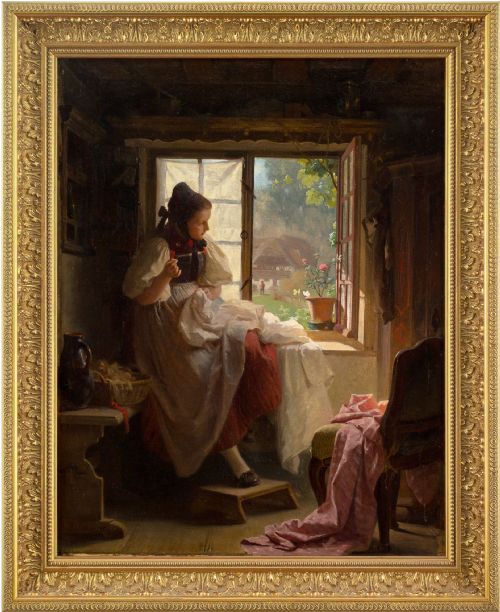
A european antique portrait brings centuries of individual likenesses and regional schools into domestic spaces, ranging from 17th-century nobility to 19th-century everyday figures.
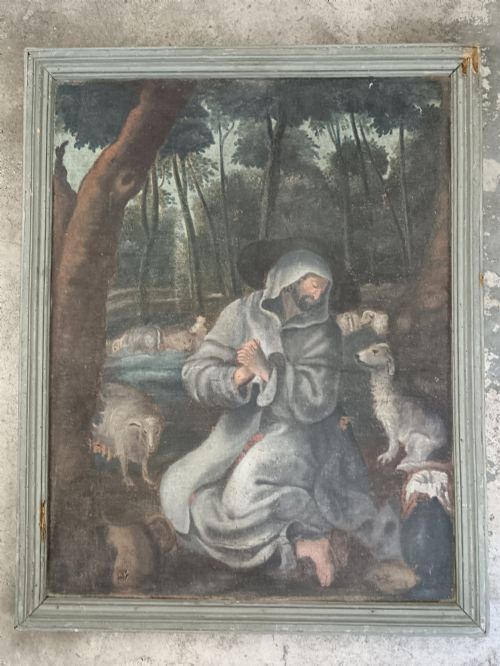
Buyers frequently encounter oil paintings on canvas or wood panels alongside carved marble and wooden busts representing subjects from across the continent.
These works bridge academic European traditions and regional expressions, offering direct visual connections to past eras.
How they were made
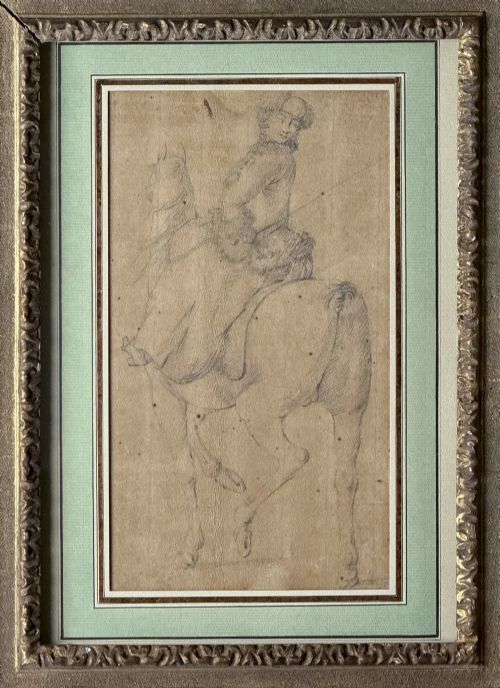
Painters applied oil media to prepared canvas, wood boards, tin supports, or paper drawings, often utilising traditional layering techniques.
Sculptors carved stone and wood to create three-dimensional busts, frequently finishing pieces with applied gesso or giltwood frames.
Listings feature oil paintings on canvas, board, and tin, alongside marble and wooden busts spanning the 17th, 18th, and 19th centuries.
What varies in quality
Mastery of proportion, facial expression, and handling of light distinguish ambitious academic pieces from simpler regional works.
The preservation of the original paint layer and the integrity of supporting panels or canvas directly influence the visual impact.
Max Kaltenmoser·Louis Charles Verwee·Henri and Charles Beaubrun·Frans Gailliard·Jules Rambo·Boudewijn Tuerlinckx·Jean Hippolyte Marchand·Wilhelm Alexander Meyerheim
The European Portrait Glossary
- Pentimento
- A visible trace of an earlier painting beneath the layers of paint, showing where the artist changed their composition. This alteration confirms the spontaneous nature of historical painting.
- Giltwood
- Wood that has been coated with gold leaf or gold paint, frequently seen on elaborate picture frames. It provides a reflective border that complements oil portraits.
- Bust
- A sculpture representing a person's head, shoulders, and chest, usually carved from marble or wood. These pieces emphasise three-dimensional form and physical presence.
- School
- A group of artists working in a particular region or style during a shared period, such as the Italian School or German School. This designation links anonymous works to geographical traditions.
European Portrait: Frequently Asked Questions
How do I identify the period of a portrait?
Clothing styles, hairstyles, and framing techniques offer the most reliable clues for dating historical likenesses.
Comparing the support material, such as panel versus canvas, further narrows the timeframe alongside any documented regional school characteristics.
What is a pentimento in old paintings?
A pentimento occurs when underlying brushstrokes reappear as the top paint layers age and become more transparent.
This phenomenon reveals the artist's changing thoughts during the creative process and authenticates historical working methods.
Were all historical portraits painted from life?
Many formal commissions involved direct sittings, while others relied on preparatory drawings or posthumous sources.
Regional and naïve examples often capture local subjects with greater artistic freedom than official court commissions.
How should I display antique oil portraits?
Hang paintings away from direct sunlight and extreme humidity fluctuations to protect the canvas and oil pigments.
Ensure heavy frames are secured properly to wall studs, and keep carved busts on stable, level surfaces.