


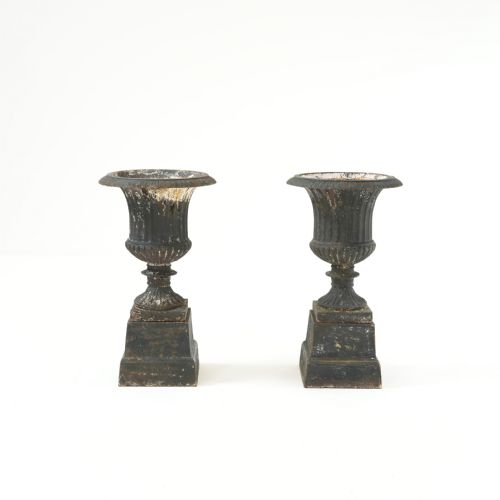


Neoclassical Iron Urns
Neoclassical iron urns are classical garden and hearth ornaments shaped by antiquity, offering strong sculptural presence and enduring metalwork for modern settings.
Neoclassical Iron Urns
Neoclassical iron urns encompass decorative garden urns, garden planters, and heavy metal vessels drawing on classical antiquity for their form. Buyers searching for neoclassical iron urns encounter robust pieces designed for both landscape and interior architectural settings.
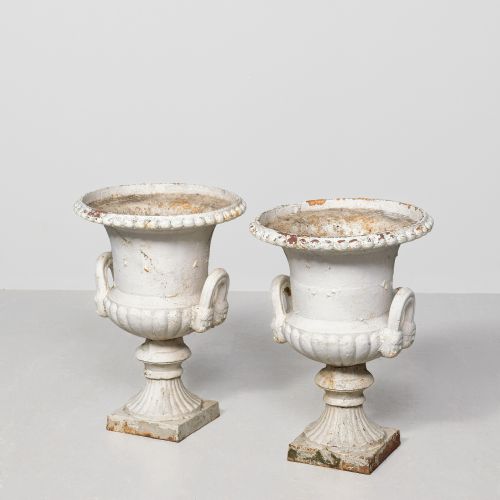
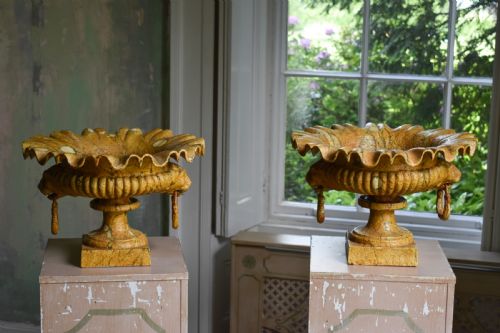
The versions most frequently met on this page include campana urns on plinth bases and freestanding garden vessels dating from the nineteenth century. These objects borrow heavily from Georgian and Victorian revivals of ancient Greek and Roman motifs.
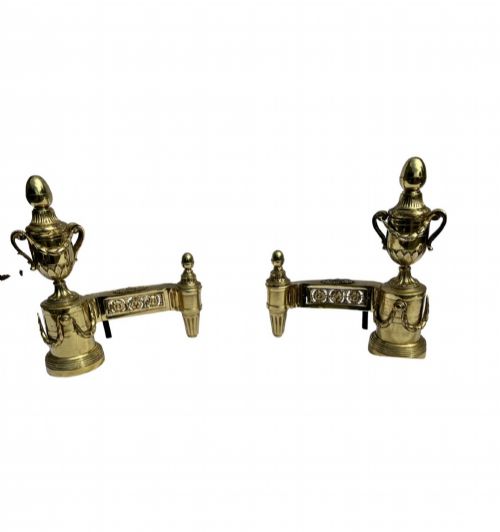
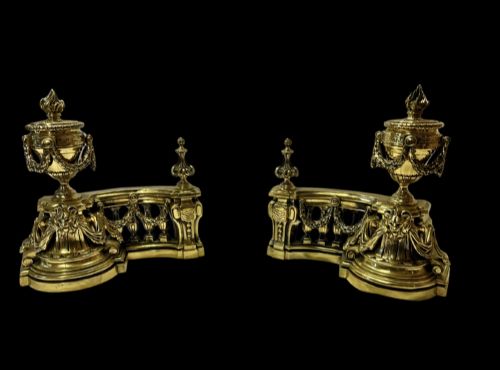
Alongside garden planters, the category extends to heavy fireplace accessories, including fire dogs, fire baskets, and grates incorporating classical details. Such items bridge the gap between outdoor statuary and functional nineteenth-century domestic ironmongery.
Materials and construction
Cast iron serves as the primary structural material, poured into moulds to capture sharp relief details like acanthus leaves and classical friezes. Many examples combine this heavy dark metal with polished steel, brass, or copper components for functional hearth hardware.
Surfaces frequently receive protective or decorative coats of paint, while others rely on the natural dark finish of cast metal or polished steel. Plinth bases provide stable foundations for taller garden urns and pedestals.
Some nineteenth-century fire dogs double as tool rests, proving that even a Victorian hearth valued a tidy poker.
Judging quality in ironwork
Quality rests in the crispness of the cast relief work and the proportional balance of the vessel, pedestal, and plinth base. Sharp, well-defined acanthus leaves and clean moulding lines separate superior castings from softer, worn examples.
The integrity of the metal, the weight of the casting, and the harmonious integration of brass or copper mounts dictate the grade of each piece. Surviving pairs with matching patination and original stands command higher regard than mismatched components.
The Neoclassical Iron Urns Glossary
- Campana urn
- A bell-shaped classical vessel with a flared rim, frequently mounted on a pedestal base. This form appears often among nineteenth-century garden ornaments.
- Andirons
- Horizontal metal supports raised on legs, placed in a hearth to hold logs. They often feature decorative neoclassical fronts facing into the room.
- Plinth base
- A heavy rectangular or square block supporting an urn or statue. It elevates the vessel and adds architectural weight to the composition.
- Fire basket
- A metal grate designed to hold coal or wood within a fireplace. These often incorporate classical cast ironwork and brass details.
Neoclassical Iron Urns: Frequently Asked Questions
Where should I place these urns?
Garden urns suit lawns, terraces, and gravel paths where their weight anchors them securely against the weather. Smaller versions or hearth accessories integrate directly into period fireplaces.
Indoor decorative urns work well upon heavy timber sideboards or flanking architectural mantelpieces. Their robust cast iron construction handles sheltered outdoor spaces just as easily as interior rooms.
How do I care for cast iron?
Cast iron requires protection from persistent moisture to prevent flaking rust and surface degradation. Regular light oiling or waxing helps preserve the dark metal finish.
Painted examples need gentle cleaning with mild soap and water rather than abrasive scouring pads. Keeping the metal dry during winter months prevents frost damage to older castings.
Are these pieces genuinely old?
The pieces span the Georgian, Regency, and Victorian eras, reflecting nineteenth-century revivals of classical design. Material patination, casting techniques, and tool marks help confirm their period origin.
Construction methods typical of nineteenth-century foundries distinguish older castings from modern reproductions. Examining the bolts, seams, and metal texture clarifies the age of each item.
How do I identify neoclassical style?
Neoclassical design draws directly on the art and architecture of ancient Greece and Rome. Key markers include symmetry, restrained proportions, and motifs like acanthus leaves and egg-and-dart borders.
Urns in this style avoid excessive baroque curves in favour of dignified, monumental outlines. This sober classical influence shapes both garden vessels and nineteenth-century hearth furniture.