
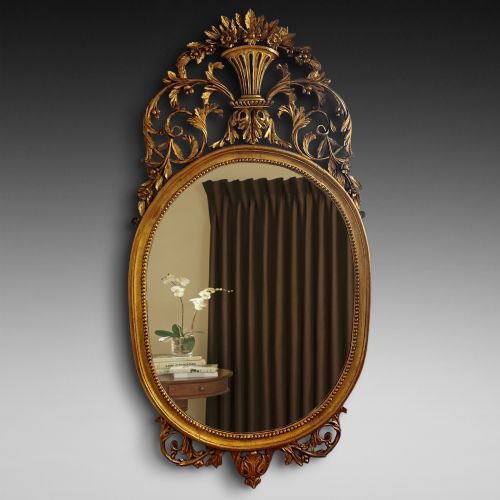
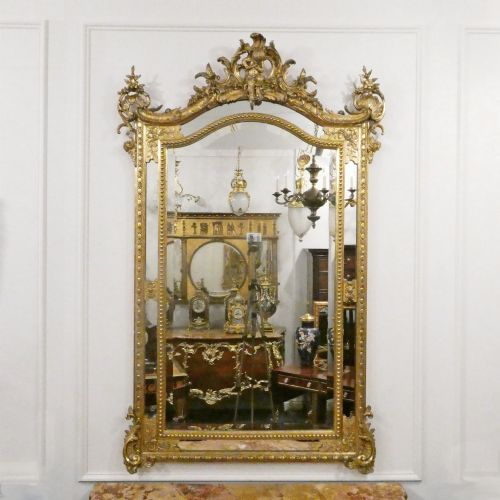
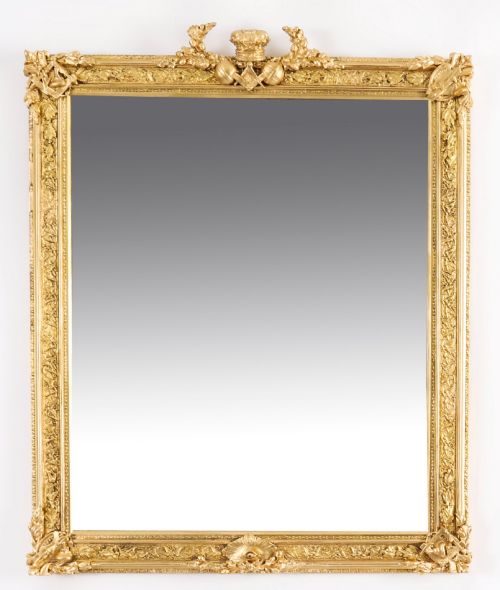
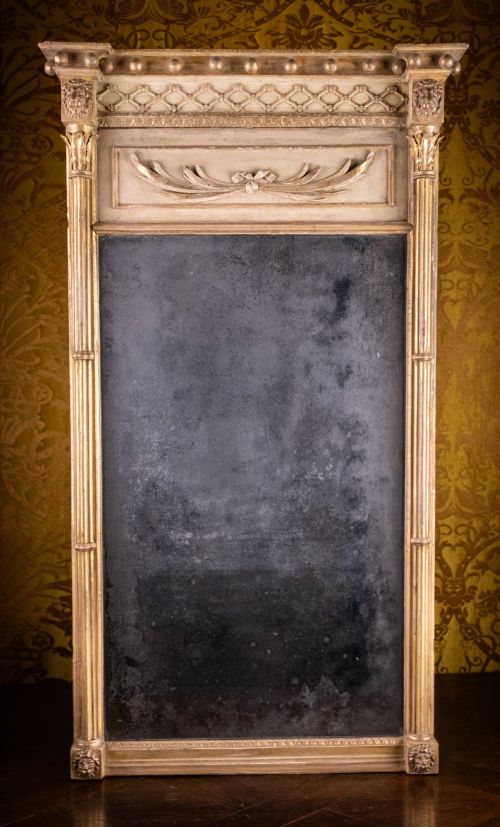


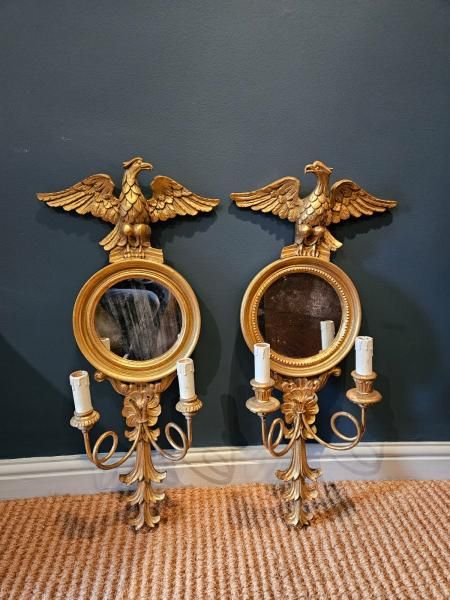
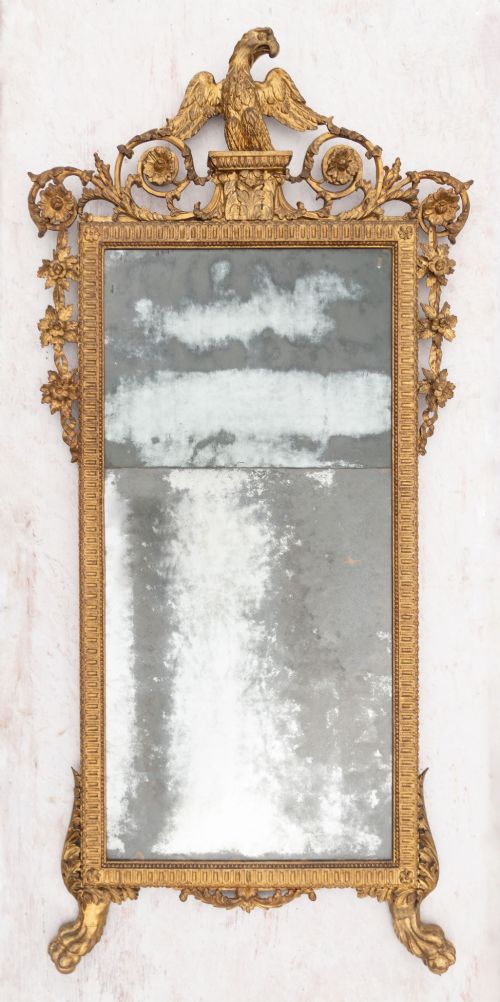
Neoclassical Gilded Wall Mirror
A neoclassical gilded wall mirror brings classical proportion and reflective light into a room, drawing the eye with symmetrical urns, swags, and gilt surfaces.
Neoclassical Gilded Wall Mirror
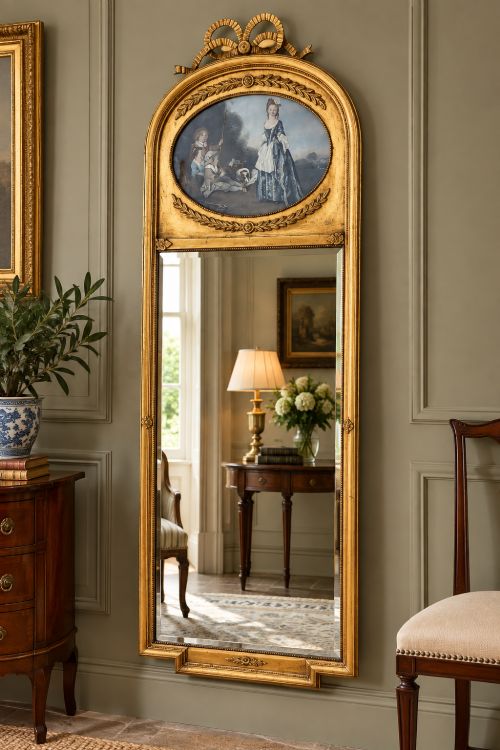
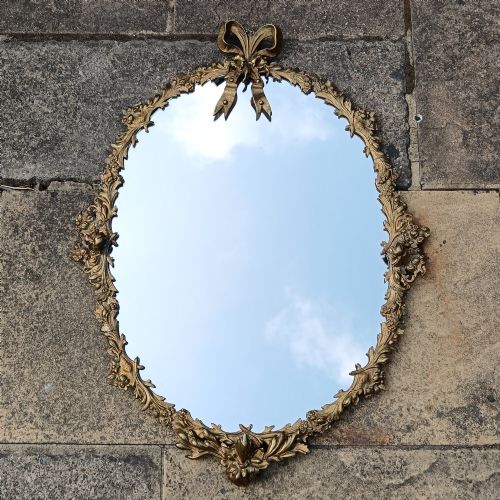
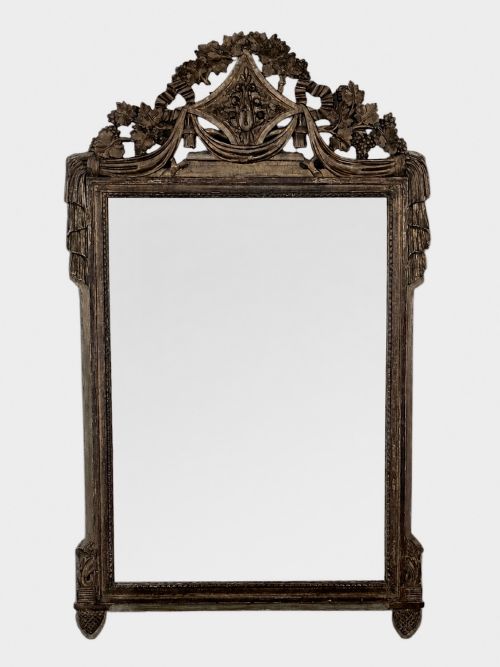
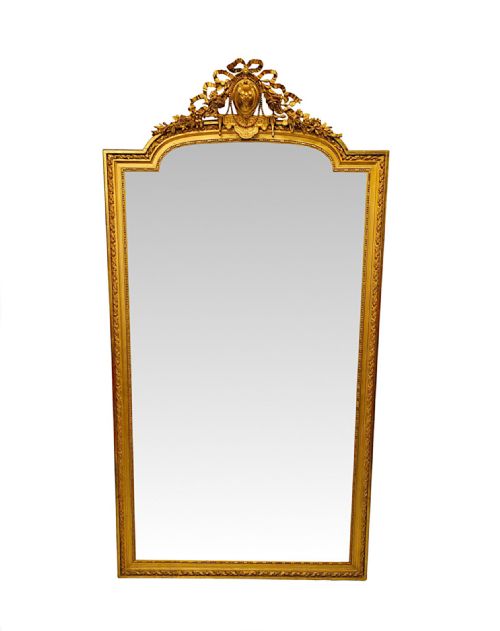
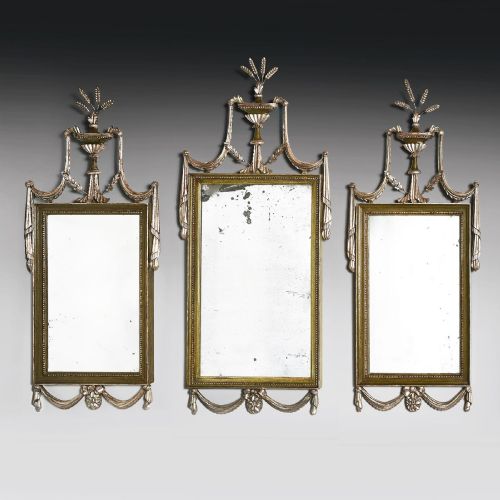
A neoclassical gilded wall mirror is a reflective centrepiece shaped by classical restraint, symmetry, and architectural proportion. These pieces range from restrained Georgian and Regency formats to French Louis XVI models and later Adam Revival interpretations.
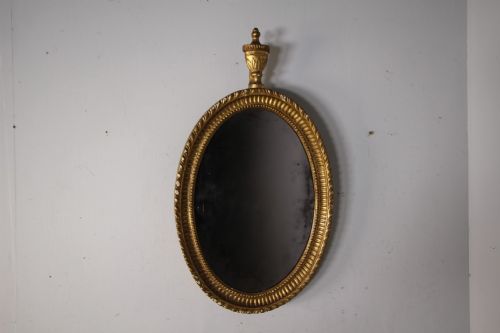
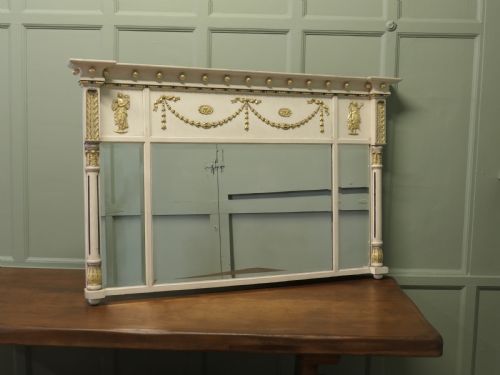
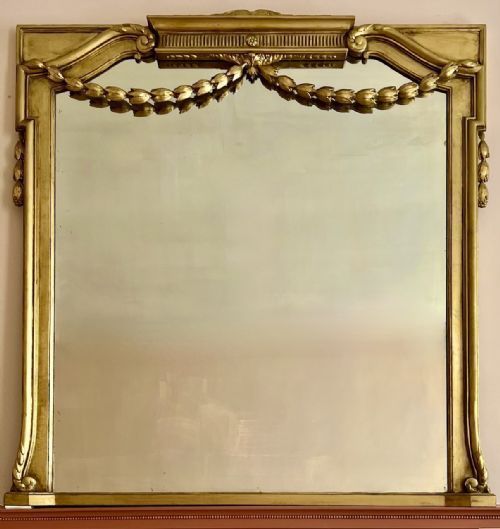
The evidence shows forms spanning vertical wall mirrors, expansive overmantels, tall pier mirrors, and smaller oval or round plates. Most examples encountered on this page date from the nineteenth century, alongside eighteenth-century works and later Edwardian interpretations.
Geographic origins recorded in the listings stretch across English workshops, French chateaux, and Italian centres. Buyers select these mirrors to anchor a mantelpiece, elevate a hallway, or introduce classical balance to a reception room.
How they were made
Makers built these frames using timber cores of wood or painted wood, overlaid with gesso to hold sharp decorative details. Artisans applied gold leaf or paint finishes over these prepared surfaces to create the characteristic metallic sheen.
Carved giltwood components utilised hand-chiselled detail, while composition ornaments moulded from putty provided repeatable classical motifs such as swags and urns. Glass plates included traditional mercury glass and early bevelled mirror glass held securely within the rebated frames.
Listings feature eighteenth-century, nineteenth-century, and Edwardian periods, encompassing Georgian, Regency, and Louis XVI styles.
What varies in quality
Quality rests upon the crispness of the carved or moulded ornamentation and the depth of the gilding. Superior examples display sharply defined acanthus leaves, lion masks, and urns without the softening that indicates worn moulds or heavy over-painting.
The integrity of the mirror glass itself distinguishes finer items, particularly where original silvering or historic mercury plates survive intact. Frame construction also matters, as sound joinery at the mitres ensures the substantial weight of the glass remains properly supported.
Gillows Of Lancaster
The Neoclassical Gilded Wall Mirror Glossary
- Giltwood
- Wood carved and coated with gold leaf. This material provides the brilliant reflective surface characteristic of formal antique mirrors.
- Gesso
- A plaster mixture applied to wooden frames as a base for gilding. It allows craftsmen to carve and stamp intricate classical details before applying gold leaf.
- Overmantel mirror
- A wide mirror designed to hang above a fireplace mantel. These horizontal formats frequently incorporate triple plates or landscape proportions.
- Pier mirror
- A tall, narrow mirror made to hang on the wall space between windows. They often feature decorative urns and swags at the top.
- Mercury glass
- An early type of mirror glass backed with a silver and mercury amalgam. It creates a characteristic mottled, deep reflection found on eighteenth-century plates.
Neoclassical Gilded Wall Mirror: Frequently Asked Questions
How do I hang a heavy overmantel mirror?
Heavy overmantel mirrors require secure wall fixings distributed into structural studs or masonry rather than plaster alone. Professional installers use heavy-duty mirror plates or French cleats to bear the substantial weight safely.
Position the mirror at a height that reflects eye-level light across the room, balancing it comfortably above the mantelpiece or console table.
Are these mirrors suitable for bathrooms?
Historic giltwood and composition frames react poorly to high humidity and direct water exposure. Steam can damage the delicate gesso and cause the historic silvering on the mirror plate to deteriorate.
Dry living areas, hallways, and formal reception rooms provide the stable environment needed to preserve antique gilding and original glass plates.
How do I clean an antique giltwood frame?
Dust the carved frame gently using a soft, dry artist's brush or a feather duster. Avoid using commercial cleaning sprays, water, or abrasive cloths, which strip gold leaf and soften historic gesso.
Keep glass surfaces clean with a minimal amount of glass cleaner applied to a cloth rather than sprayed directly onto the mirror, protecting the surrounding frame from moisture.
How do I tell an 18th-century mirror from a 19th-century revival?
Eighteenth-century mirrors often display hand-carved wooden details in genuine giltwood alongside characteristic mercury glass plates. Later nineteenth-century revival pieces frequently incorporate moulded composition ornaments and machine-produced glass.
Examining the construction joints at the back of the frame and the backing boards provides further clues to the true period of manufacture.