

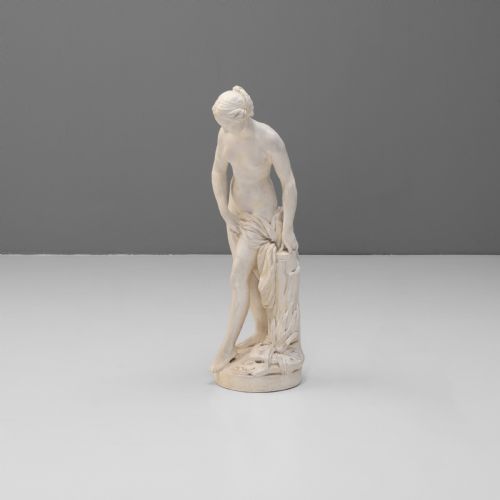
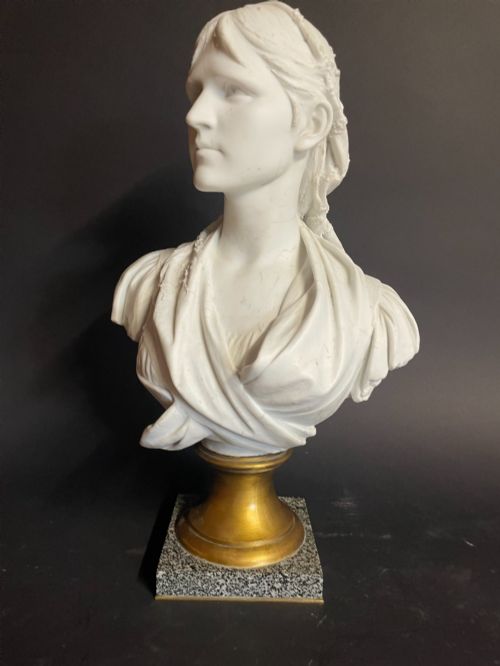
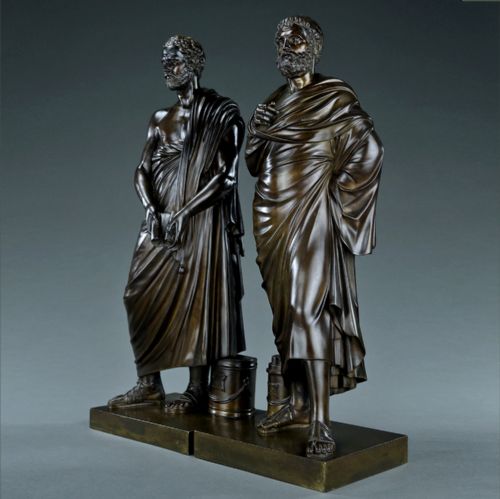
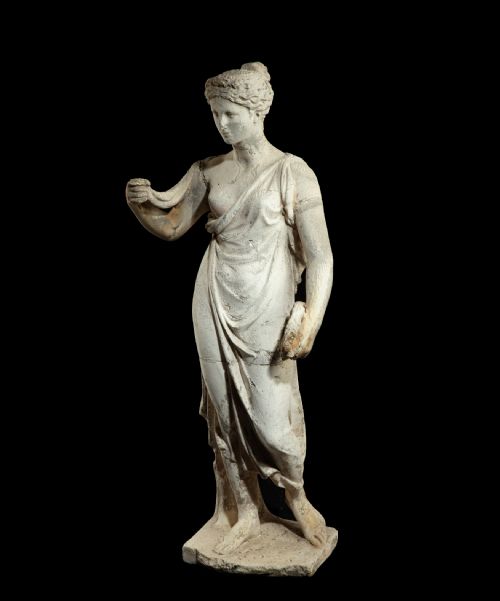


Neoclassical Draped Figure Statue
A neoclassical draped figure statue brings classical antiquity into a room through carved marble, cast bronze, or moulded plaster.
Neoclassical Draped Figure Statue
A neoclassical draped figure statue draws inspiration from ancient Greek and Roman forms, presenting subjects in classical attire such as robes and togas. These pieces take the form of freestanding sculptures, garden statues, and tabletop figures.
The selections span several periods, most notably the nineteenth century, Victorian era, and Regency period, alongside later mid-twentieth-century garden stone. Buyers frequently encounter bronze casts, marble carvings, and plaster figures on this page.
Origins vary from English production to Italian workshops and French foundries, reflecting the Grand Tour influence of the nineteenth century. Figures range from mythological deities like Hebe and Venus to allegorical representations and classical ladies.
How they were made
Sculptors and artisans worked with materials including white marble, patinated bronze, plaster, terracotta, Parian ware porcelain, and reconstituted stone. Marble and alabaster pieces were hand-carved, utilising chisels and rasps to render the soft folds of classical drapery.
Metal statues employed the lost-wax casting method for bronze or brass, allowing fine detail in hair and garments before the application of chemical patination. Plaster and stucco figures relied on moulds taken from classical models, sometimes finished by hand to sharpen the contours.
Ceramic figures such as Parian ware required slip casting in moulds followed by high-temperature firing, producing a matte surface resembling carved marble. Stone garden statues were cast from durable reconstituted materials suited for outdoor weathering.
Neoclassical Draped Figure Statue Retail Price Guide 2026
Typical asking prices for neoclassical draped figure statue among the pieces listed under this phrase on Sellingantiques today, from the lower quarter to the upper quarter. They describe what is for sale here now, not the wider market.
Listings feature materials spanning marble, bronze, brass, patinated bronze, plaster, alabaster, porcelain, and reconstituted stone.
What varies in quality
Material selection dictates much of the visual weight and finish, with finely grained marble and rich, deep bronze patinas sitting at the upper end of the scale. Plaster and stucco works vary according to the crispness of the original mould and the preservation of the surface finish over time.
Signatures, foundry marks, and attribution to known makers or specific Italian and French centres elevate a piece beyond unsigned workshop production. The handling of expression and posture separates decorative mass-produced items from ambitious sculptural interpretations.
Humphrey Hopper·Pugi·Royal Worcester
The Neoclassical Draped Figure Statue Glossary
- Grand Tour
- A traditional trip through Europe undertaken by upper-class Europeans in the eighteenth and nineteenth centuries to study classical art. This practice fueled a major market for small bronze and marble replicas of ancient statues.
- Parian ware
- A type of unglazed bisque porcelain developed in Victorian England that imitates carved marble. It gained popularity for portrait busts and classical figures due to its smooth, creamy finish.
- Caryatid
- A sculpted female figure serving as an architectural support taking the place of a column or pilaster. These figures frequently feature elaborate drapery supporting entablatures.
- Torchere
- A tall stand or ornamental candlestick, sometimes topped with a classical figure holding a light source. They appear in Regency and later interior schemes.
- Patinated bronze
- Metal sculpture treated with chemical solutions to produce a specific surface colour and finish. This process protects the metal while enhancing visual depth.
Neoclassical Draped Figure Statue: Frequently Asked Questions
What periods do these statues come from?
The pieces span the nineteenth century, including Regency, Victorian, and Grand Tour productions, alongside twentieth-century stone items.
Most items reflect the nineteenth-century revival of classical antiquity, though some mid-century garden pieces also appear.
Where were these figures made?
Origin locations include England, France, and Italy, reflecting European centres of sculpture production and foundry work.
Italian workshops often produced marble carvings and Grand Tour bronzes, while English and French factories specialised in porcelain and bronze casting.
How do I care for marble and bronze?
Marble benefits from gentle dusting and protection from staining liquids, as the stone remains porous. Avoid harsh chemical cleaners that can etch the polished surface.
Bronze requires minimal maintenance beyond occasional light dusting with a soft cloth. Patinated surfaces should not be scrubbed or polished with abrasive compounds.
Are these pieces suitable for outdoor display?
Reconstituted stone and certain robust metals are designed for garden environments and outdoor placement. These materials withstand weathering over decades.
Plaster, marble, bisque porcelain, and interior bronzes belong indoors. Moisture and frost damage delicate carved stone and porous plaster very quickly.