

Neoclassical Column Table
A neoclassical column table brings architectural order and classical proportion into a room through stone, brass or timber support.
Neoclassical Column Table
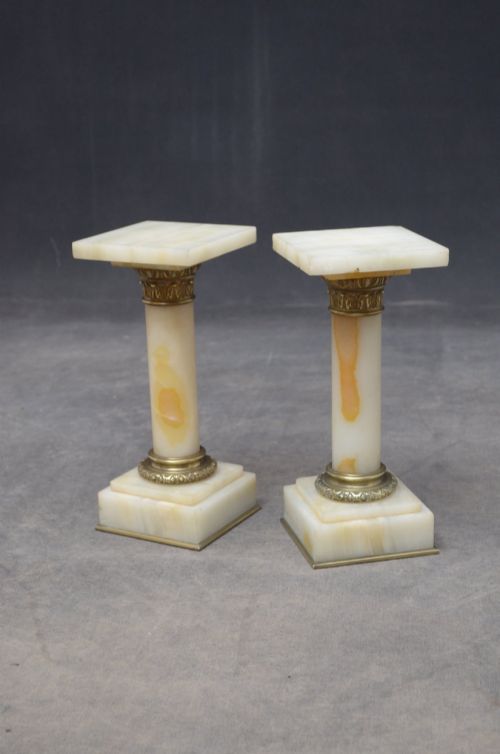
A neoclassical column table search covers architectural supports and surface stands drawn from classical antiquity. You will encounter side tables, console tables, pedestals, plinths and plant stands executed in timber, marble and painted pine.
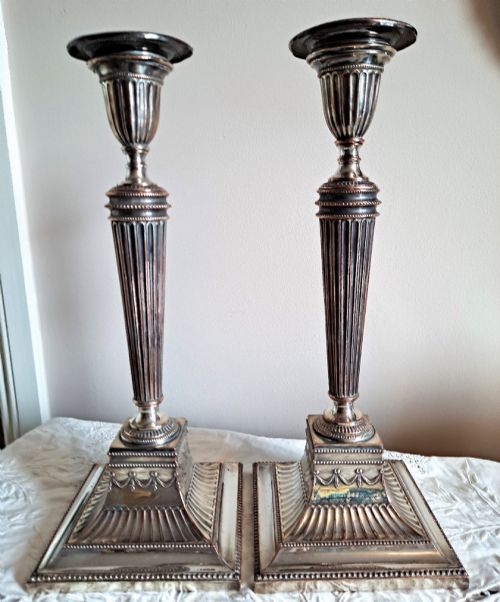
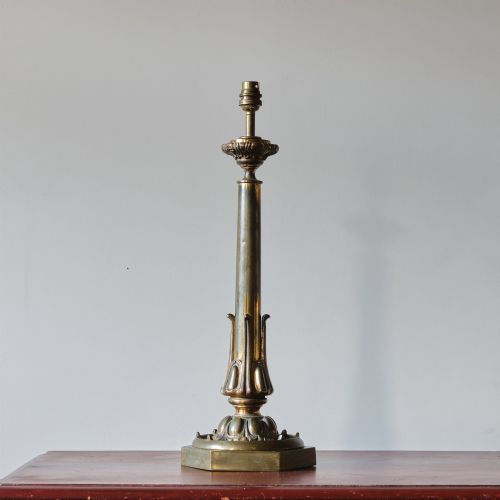
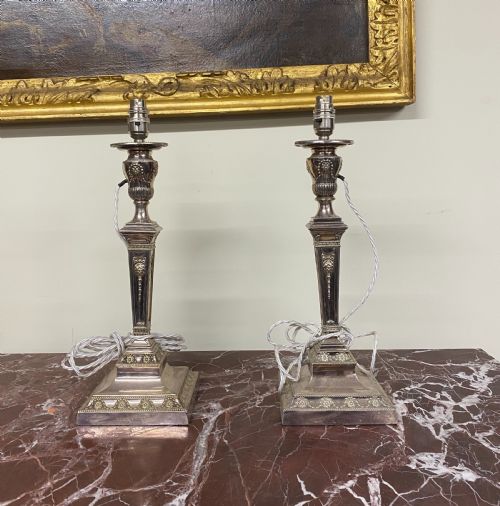
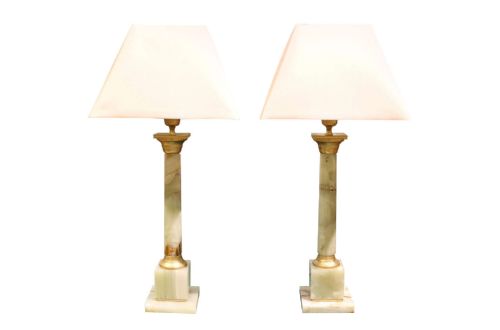
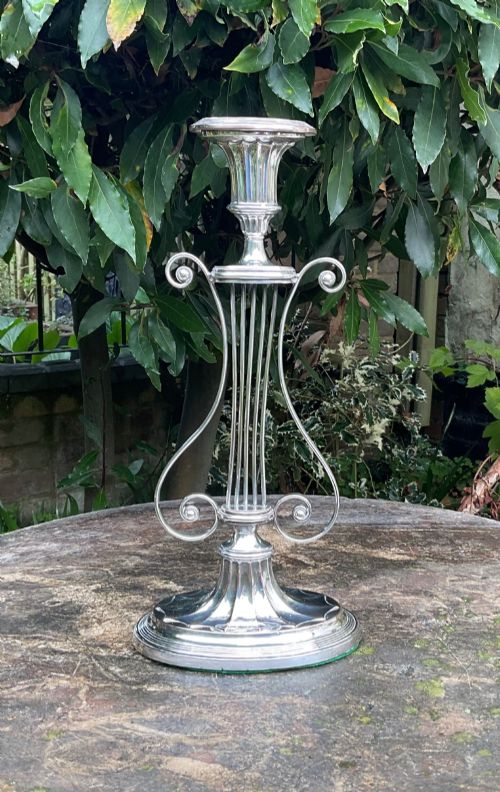
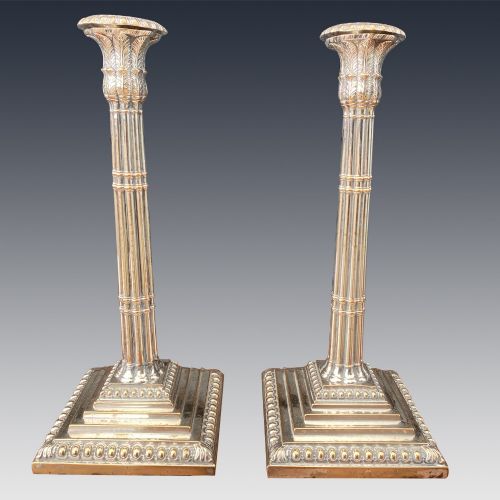
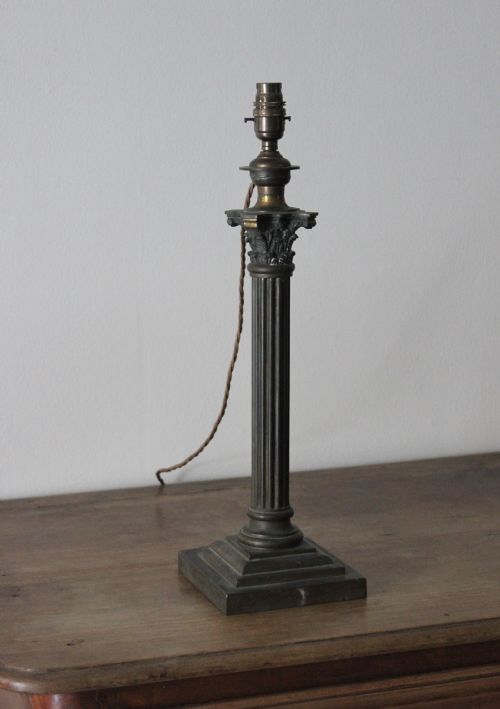
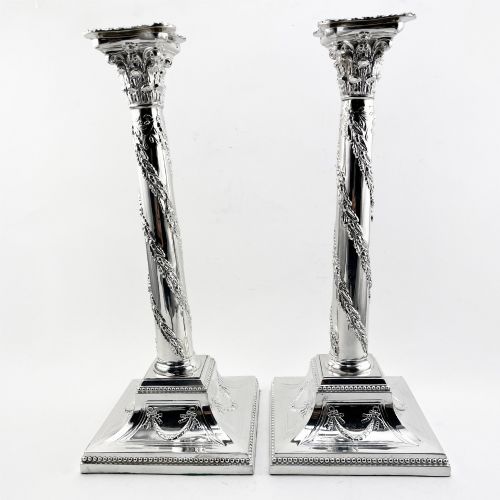
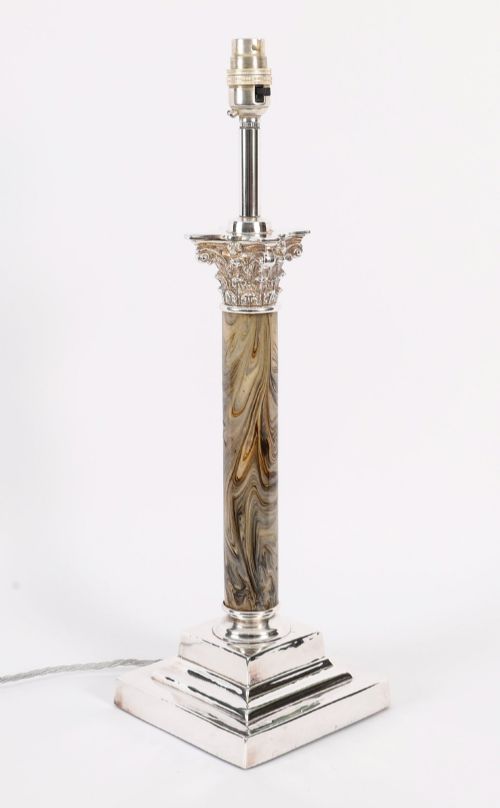
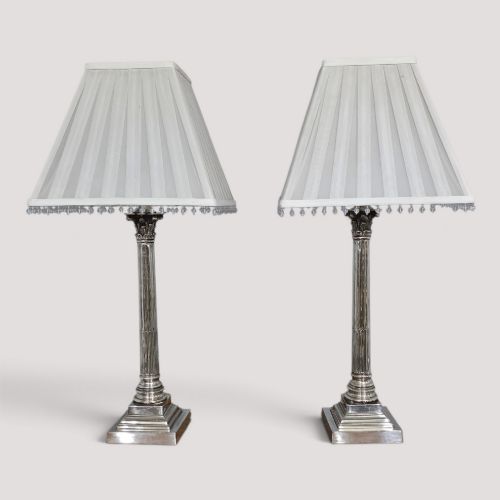
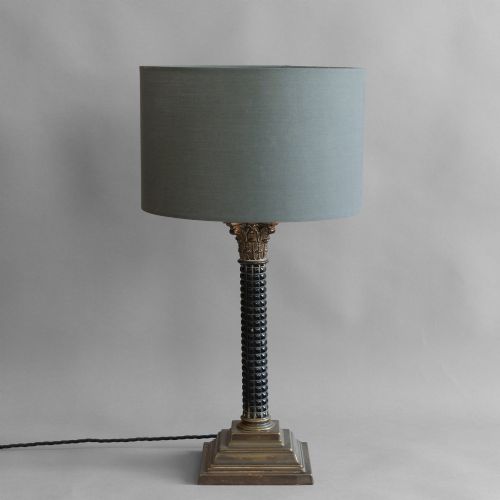
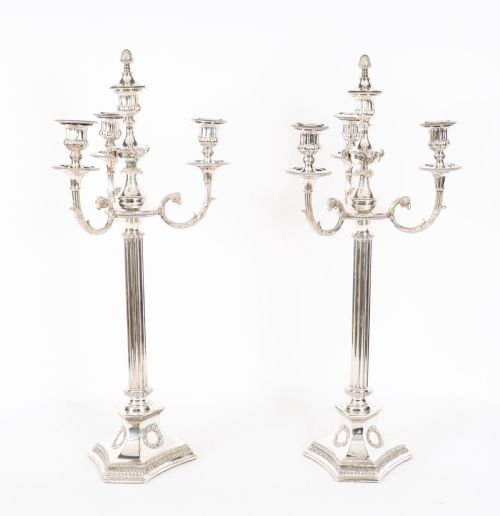
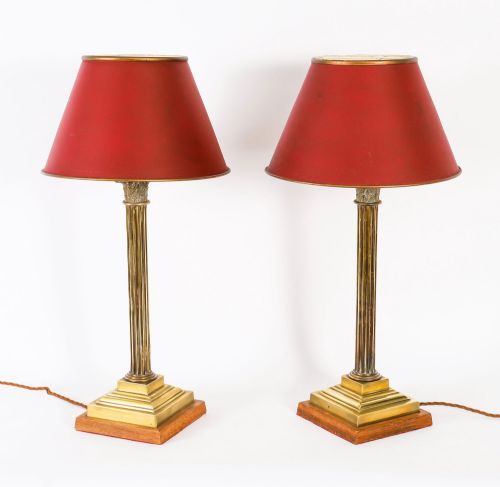
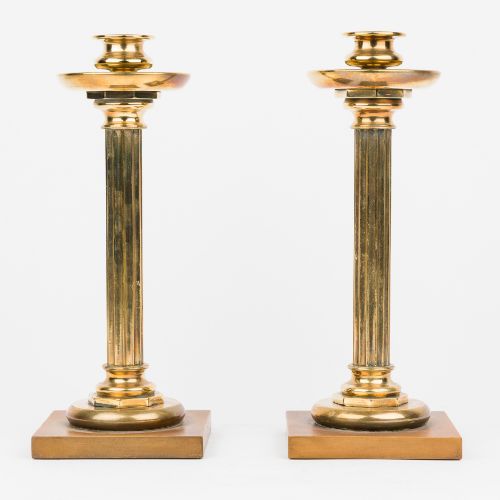
Many listings under this heading expand the definition to include column-form lighting and candlesticks styled with Corinthian capitals. Pieces span the eighteenth, nineteenth and early twentieth centuries, drawing on Georgian, Victorian and Edwardian revivals.
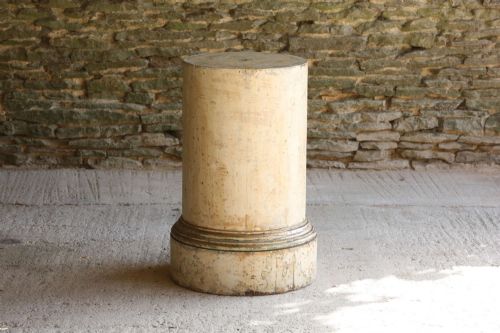
The selection ranges from substantial French marble-topped stands and gilt-wood tripod tables to painted pine pedestals. These forms echo ancient temple architecture adapted for domestic display.
How they were made
Materials combine heavy metals and natural stones with timber and fabric. You see brass, silver plate, ormolu and bronze paired with black and white marble, onyx, oak, pine and gilt wood.
Construction relies on classical detailing such as cast Corinthian capitals, fluted shafts and stepped bases. Metal components are cast and chased, while stone elements are turned and polished to reveal natural veining.
Neoclassical Column Table Retail Price Guide 2026
Typical asking prices for neoclassical column table among the pieces listed under this phrase on Sellingantiques today, from the lower quarter to the upper quarter. They describe what is for sale here now, not the wider market.
Listings feature items spanning the eighteenth century through to the nineteen-twenties, incorporating Georgian, Victorian and Edwardian revivals.
What varies in quality
Quality rests on the crispness of the casting in metal elements and the selection of stone. Fine examples show sharply rendered acanthus leaves on capitals and accurately proportioned fluting along the column shaft.
Weight and stability distinguish standard production from superior work. Solid brass, substantial bronze and genuine marble provide heft and presence that lighter plated or composite substitutes lack.
Mappin & Webb
The Neoclassical Column Table Glossary
- Corinthian capital
- The uppermost member of a column decorated with stylized acanthus leaves and scrolls. This detail appears frequently on candlesticks and lamp bases in this category.
- Ormolu
- Gilt bronze produced by applying a mercury and gold amalgam to cast bronze. It provides a rich golden surface found on French classical pieces.
- Plinth
- A heavy flat block serving as a base for a column, pedestal or statue. It grounds the vertical element of the furniture.
- Old Sheffield plate
- A composite material made by fusing a thin sheet of silver to a thicker copper base. It was used for eighteenth- and nineteenth-century candlesticks.
Neoclassical Column Table: Frequently Asked Questions
What is a neoclassical column table?
It is an architectural furniture piece or stand that uses classical column forms for its support. These designs draw directly from Greek and Roman architectural vocabulary.
They function as display surfaces, plant stands or console tables within traditional and eclectic interiors.
How do I date a brass column lamp?
Dating relies on manufacturing techniques, weight, and the style of the capital and base. Earlier nineteenth-century examples often feature heavier cast components and hand-finished detailing.
Twentieth-century reproductions tend to have lighter construction and standardised threading for electrical fittings.
Where should I place a marble column stand?
These stands suit entryways, corners, or living spaces where they can support lamps, urns or sculptures. Their vertical profile draws the eye upward.
Ensure the floor is level and solid to safely support the weight of marble and stone tops.
What materials are typical for these items?
Common materials include brass, silver plate, bronze, marble, onyx, oak and painted pine. Metal and stone are frequently combined in a single piece.
Fabrics occasionally appear on associated shades or runners paired with the stands.