

Neoclassical Bedside Table
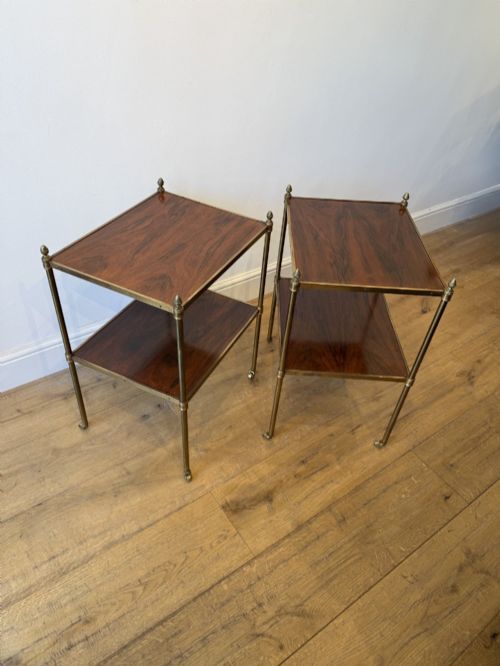
These neoclassical bedside table pieces bring disciplined classical proportion to the bedroom, offering refined storage and lighting derived from ancient architectural forms.
Neoclassical Bedside Table
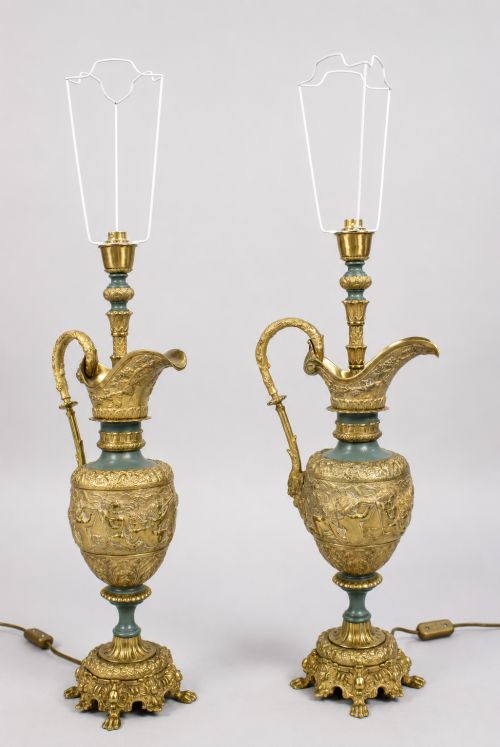
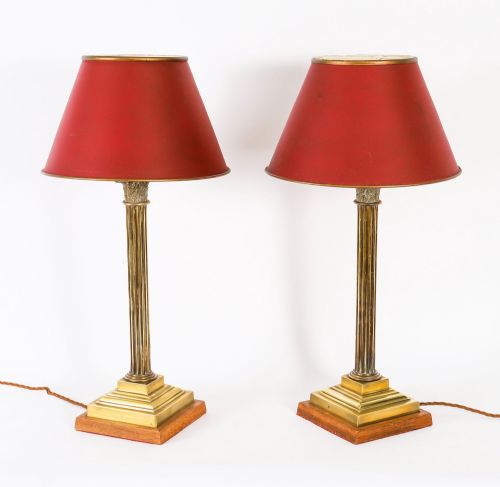
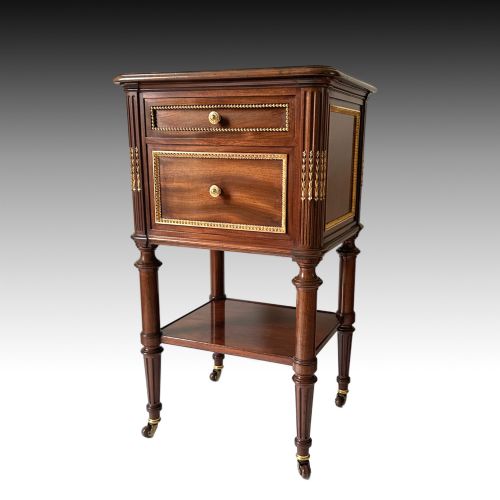
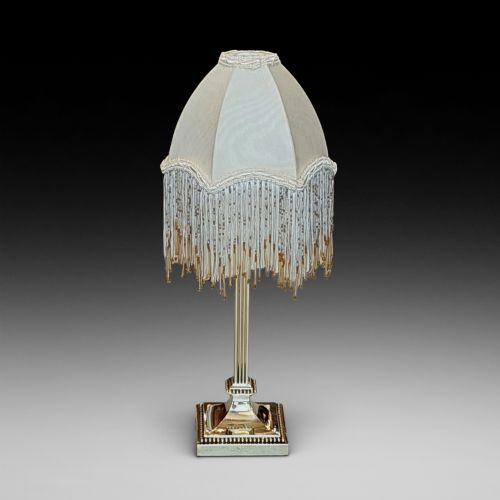
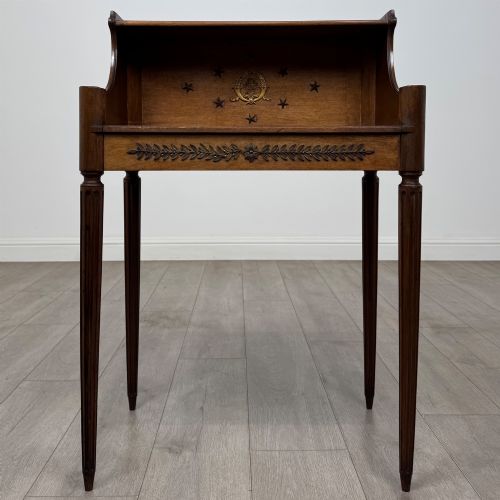
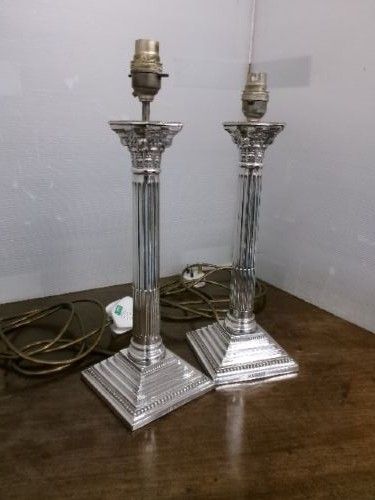
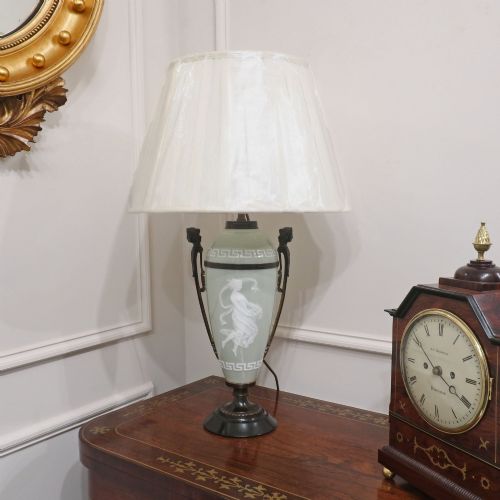
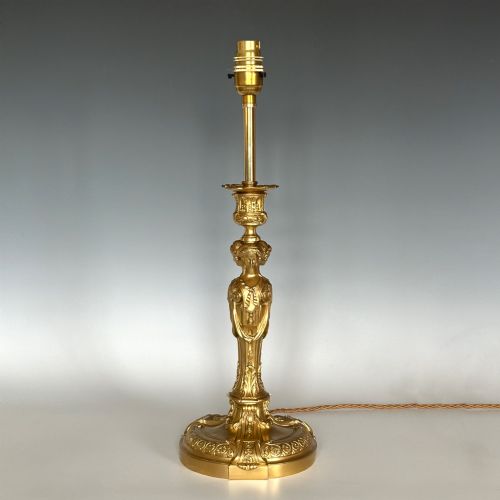
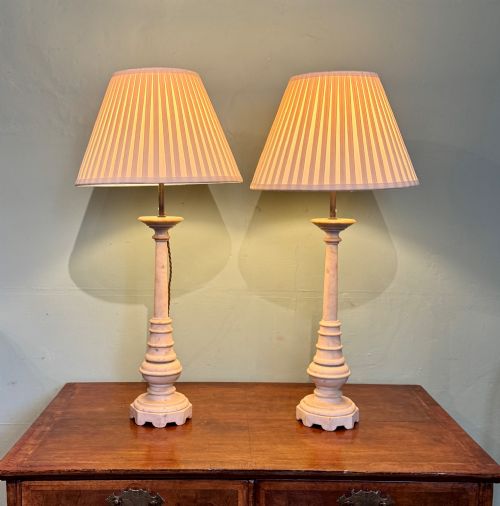
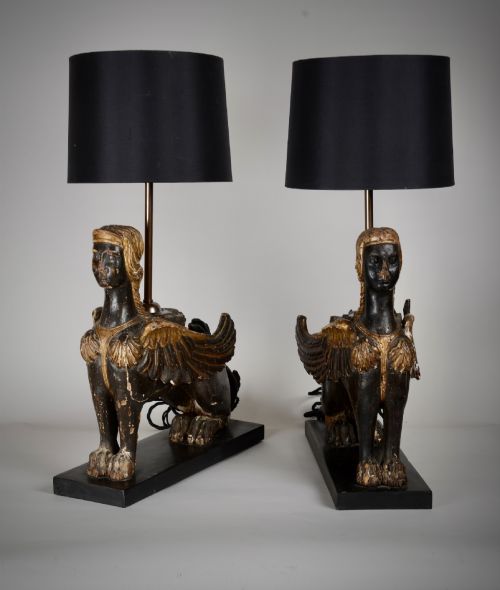
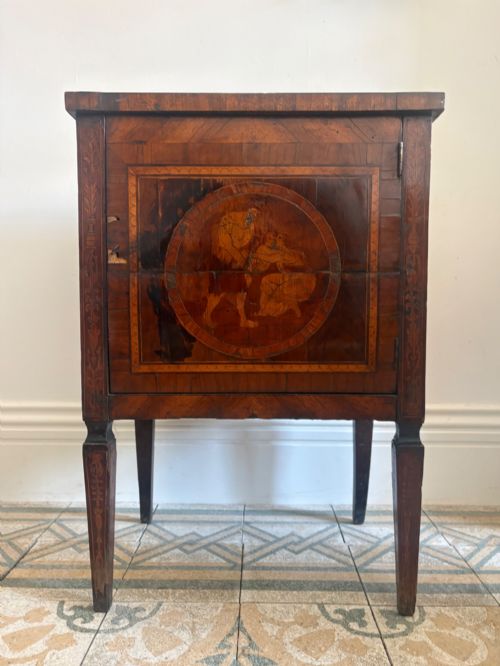
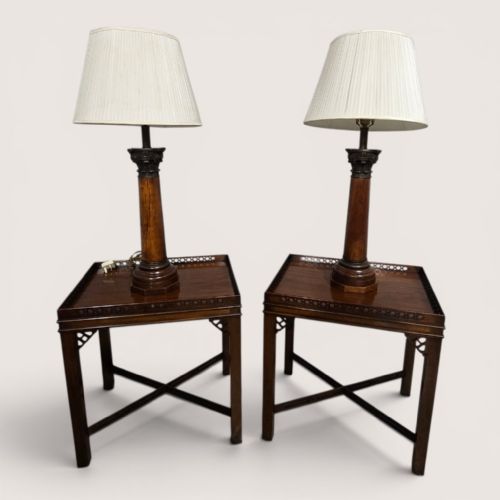
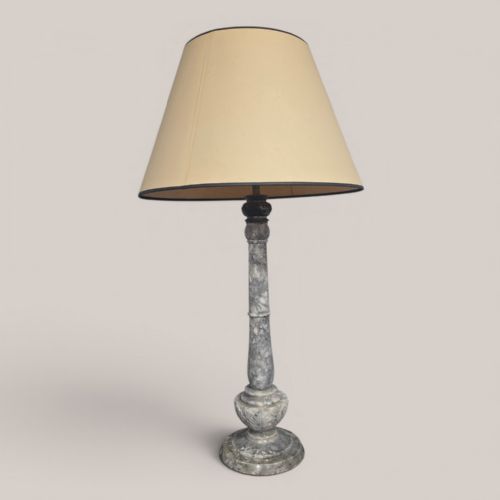
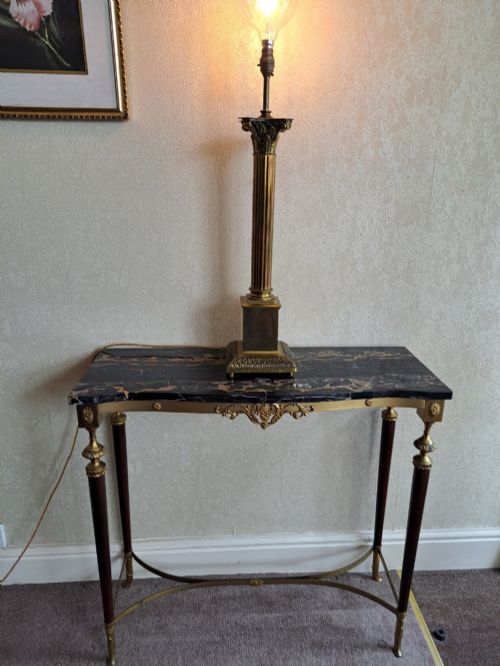
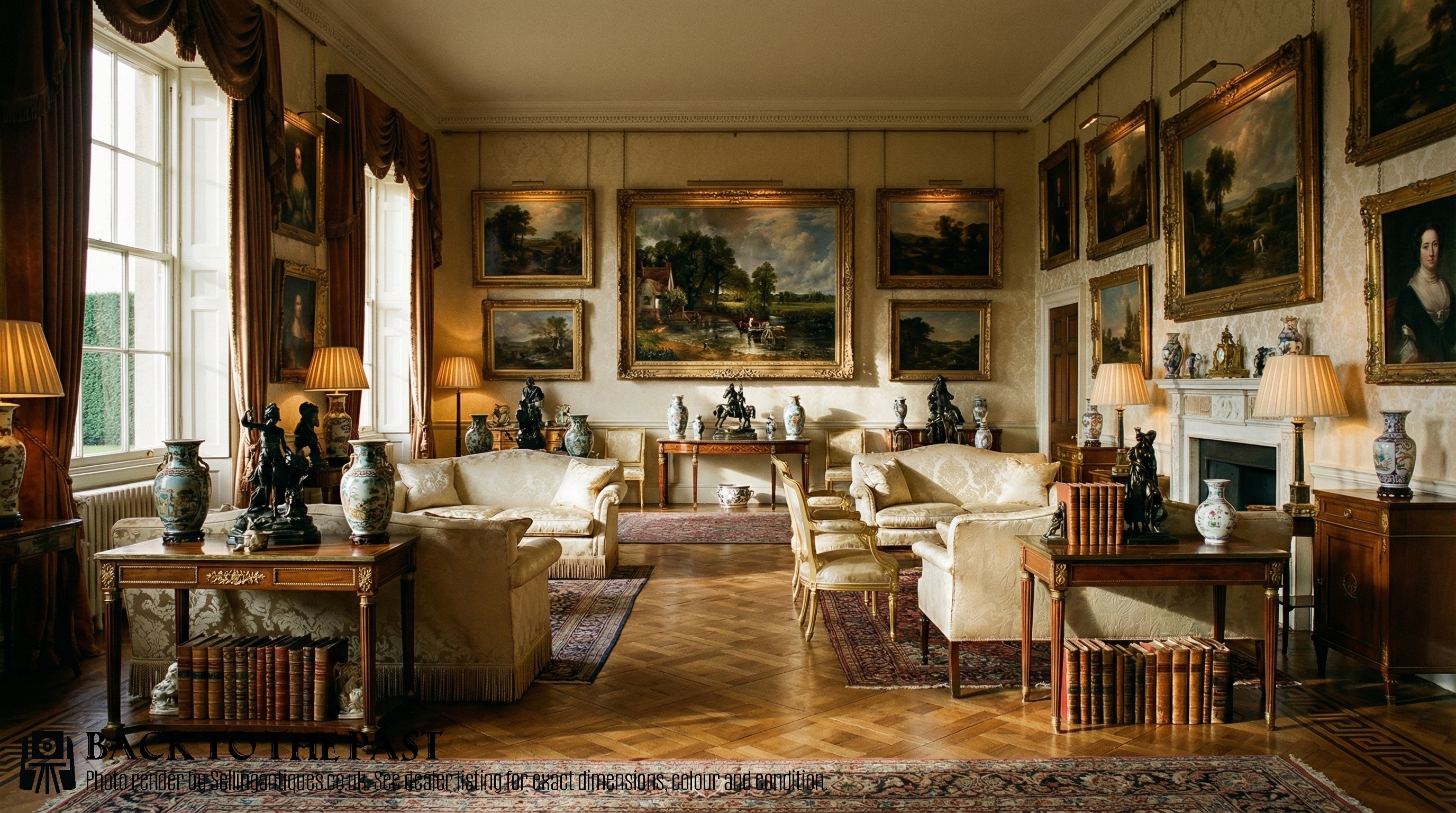
A neoclassical bedside table search uncovers a diverse array of forms, predominantly consisting of nineteenth century French and Italian bedside cabinets alongside related lighting and side pieces. Buyers encounter timber cabinets featuring marble tops and marquetry inlay, sitting alongside monumental column and urn lamps that share the same design vocabulary.
The selection spans the nineteenth century through the Edwardian era and the 1920s, drawing heavily on French Neoclassical, Louis XVI, and Empire styles. Cabinets present compact footprints suitable for intimate spaces, whilst accompanying table lamps utilise classical orders like Corinthian and Doric columns.
While specific forms vary from bedside commodinos to two tier etageres and chests of drawers, the unifying thread is a reliance on symmetrical geometry, restrained ornamentation, and architectural symmetry. These pieces reflect enduring revivals of antiquity adapted for domestic utility.
Materials and Construction
Makers utilised rich hardwoods such as mahogany and walnut as the primary structural bodies for cabinets, frequently incorporating intricate marquetry and inlaid veneers. Marble tops provide durable surfaces, whilst white and rouge varieties introduce contrasting texture and weight.
Metalwork plays a defining structural and decorative role, with ormolu, gilt bronze, brass, and silver plating applied to mounts, capitals, and lamp bases. Craftspeople combined these cast and chased metals with carved wood, alabaster, glass, and porcelain components to achieve the characteristic monumental appearance.
Materials recur in combinations of mahogany, walnut, marble, and ormolu, alongside brass, alabaster, and porcelain lighting components.
Factors of Distinction
Quality rests upon the crispness of execution in cast metal mounts and the precision of inlaid marquetry on timber surfaces. Superior examples display sharply defined acanthus leaves on Corinthian capitals, finely chiseled ormolu, and tightly fitted marble slabs that sit flush with the surrounding framework.
The choice of materials dictates the upper tier of the range, where heavy solid marbles, genuine fire-gilded ormolu, and select figured walnut or mahogany elevate standard utility pieces into works of fine decorative art. Proportion and balance remain paramount, separating provincial interpretations from pieces designed by skilled cabinetmakers.
Mallett·Royal Worcester·Dugourc
The Neoclassical Bedside Table Glossary
- Ormolu
- Gilt bronze mounted on decorative objects and furniture, created by applying a mercury and gold amalgam to cast bronze. This technique produced a durable golden finish characteristic of French decorative arts.
- Marquetry
- The art of applying small pieces of veneer to a structure to form decorative patterns and pictures. Makers utilised contrasting timbers to create geometric and floral motifs on cabinet surfaces.
- Corinthian Column
- A classical column order identifiable by an ornate capital decorated with acanthus leaves. Many lighting pieces adopt this specific architectural form for their vertical shafts.
- Commodino
- An Italian term for a small bedside table or chest, typically fitted with a drawer and cupboard space. These items served functional storage needs in domestic chambers.
- Pate Sur Pate
- A porcelain decoration method where wet white clay slip is built up in layers on a coloured clay body to create a low relief cameo effect.
Neoclassical Bedside Table: Frequently Asked Questions
How do I distinguish Louis XVI style from Empire pieces?
Louis XVI style pieces display lighter proportions, straight tapered fluted legs, and restrained neoclassical ornamentation derived from ancient Greek and Roman architecture. The decorative vocabulary remains graceful and balanced, utilising subtle floral garlands and urn motifs.
Empire items, by contrast, project heavier grandeur with militant or imperial symbols, denser use of ormolu mounts, and darker mahogany timbers. The overall silhouette is more imposing and draws directly on the later phases of Roman imperial design.
What materials are typical for these bedside tables?
Primary construction relies on dense hardwoods such as mahogany and walnut, frequently enhanced by contrasting marquetry veneers. Tops are commonly finished with heavy white or rouge marble slabs that provide durable and cool surfaces.
Metal detailing appears extensively through cast brass, gilt bronze, and ormolu mounts. These metallic elements highlight structural corners, drawer pulls, and pillar capitals.
How do I care for marble tops on antique cabinets?
Marble requires gentle cleaning with warm water and a neutral, non-abrasive soap, followed by thorough drying with a soft cloth. Acidic substances like citrus juice or wine must be wiped away immediately to prevent etching.
Avoiding harsh chemical cleaners preserves the natural polish of the stone. Applying a specialised stone wax periodically helps protect the surface from everyday wear.
Are these pieces suitable for modern interiors?
Their restrained architectural lines and compact dimensions allow these tables to function effectively beside contemporary low-profile beds. The neutral tones of marble and timber integrate smoothly into minimalist or eclectic design schemes.
They provide practical surface space and concealed storage whilst introducing historical texture. The classical proportions ensure they anchor a bedroom layout without overwhelming the surrounding room.