



Needlepoint French Stool
A needlepoint french stool brings tactile warmth and historic charm to any room through detailed textile seats and classic frames.
Needlepoint French Stool
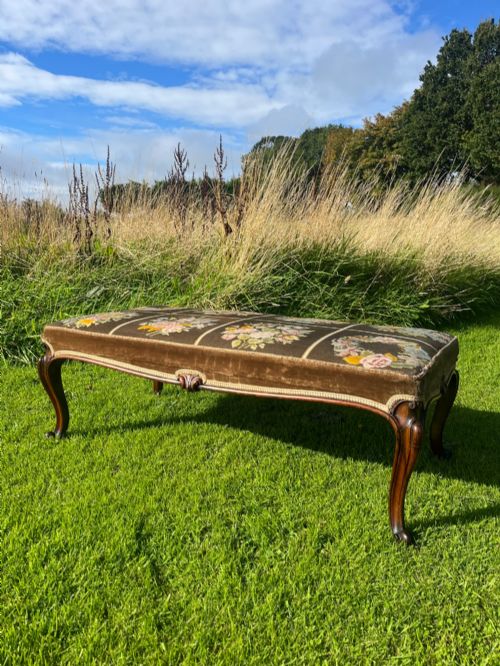
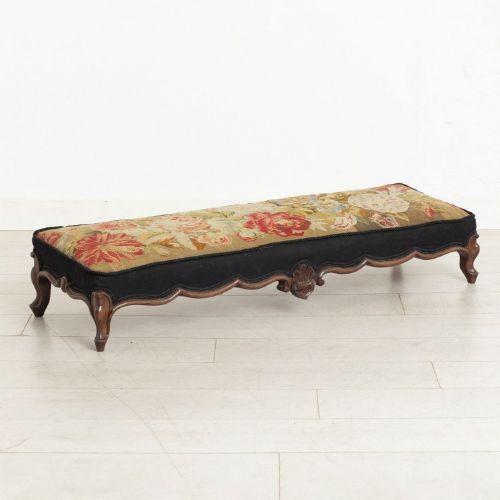
A needlepoint french stool combines carved wooden frames with intricate fabric tops, typically serving as a low footstool, bench, or dressing seat. These pieces draw on historical design revivals and span periods from the Victorian era into the early twentieth century.
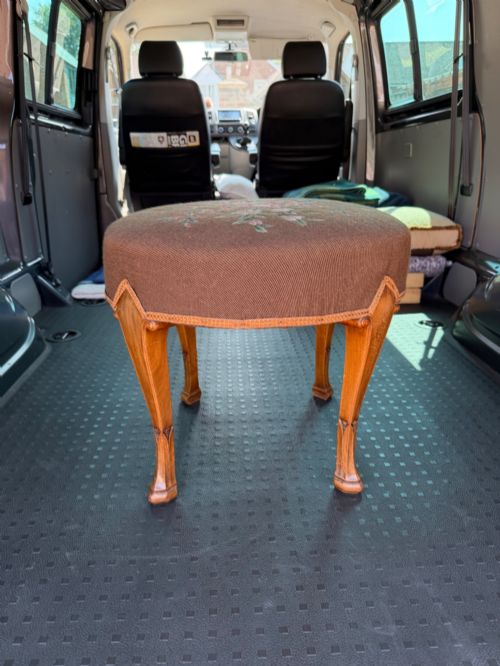
Buyers will most frequently encounter low footstools and dressing stools featuring tapestry seats alongside walnut or painted wooden structures. The forms often reflect Louis XV revival and French Rococo styles, characterised by curved cabriole legs and ornamental woodwork.
Materials and construction
Craftsmen built the frames using solid hardwoods like walnut, alongside painted wood and giltwood finishes. These wooden structures were shaped with cabriole legs and detailed carving to echo traditional French seating designs.
The seats feature hand-worked tapestry and wool textiles, often utilising needlework and petit point techniques to create floral or patterned upholstery. Brass elements occasionally appear as decorative accents on these upholstered frames.
Needlepoint French Stool Retail Price Guide 2026
Typical asking prices for needlepoint french stool among the pieces listed under this phrase on Sellingantiques today, from the lower quarter to the upper quarter. They describe what is for sale here now, not the wider market.
The listings show pieces spanning from the Victorian era through to 1930, utilising walnut, painted wood, and tapestry textiles.
Judging quality and craftsmanship
Quality rests heavily on the crispness of the woodwork and the tightness of the frame construction, where firm joinery distinguishes finer pieces from ordinary examples. Carved details on walnut and painted frames show the artisan's hand more clearly in superior items.
The density and condition of the wool tapestry top dictate the visual appeal of the seat, with finely worked needlepoint retaining its structural integrity and colour better over time. Original fabric and well-preserved textiles add significant character to the piece.
The Needlepoint French Stool Glossary
- Cabriole leg
- A furniture leg that curves outward and then tapers inward, mimicking an animal's leg. This shape is characteristic of Louis XV and Queen Anne furniture styles.
- Needlepoint
- A type of counted thread embroidery stitched on a stiff open-weave canvas. It forms the durable and decorative upper surface seen on these historical seats.
- Giltwood
- Wood that has been coated with a thin layer of gold leaf. This finish provides a bright and ornate appearance on Victorian and revival frames.
- Prie-Dieu chair
- A low devotional chair featuring an upper rest, often adapted with similar upholstery and woodwork to low seating forms. These chairs appear alongside traditional stools in period collections.
Needlepoint French Stool: Frequently Asked Questions
What is a needlepoint french stool?
A needlepoint french stool is a low seating piece featuring an embroidered textile top and a wooden frame inspired by French design traditions. They were typically used in bedrooms and parlours for resting feet or as dressing seats.
These items range from Victorian productions to early twentieth-century revival pieces, combining practical function with decorative needlework.
How do I date these stools?
Dating relies on examining the construction methods of the wooden frame, the materials used, and the style of the carving. Walnut frames and specific revival motifs often point to nineteenth-century or Victorian craftsmanship.
Comparing the textile wear and the style of the needlepoint against known period examples helps narrow down the decade of manufacture.
Where should I place it?
These compact stools suit bedrooms as dressing table seats, living rooms as moveable footrests, or hallways as decorative accent pieces. Their low profile allows them to sit comfortably in front of armchairs or beneath console tables.
Keep them away from direct sunlight to protect the wool tapestry from fading over time.
How do I care for the tapestry?
Caring for the needlework involves gentle dusting with a soft brush and avoiding harsh cleaning chemicals on the wool fibres. Professional textile cleaning is recommended for deeper maintenance to preserve the stitching.
Protecting the fabric from excessive moisture and friction ensures the needlepoint remains intact for everyday use.