




Navy Wool Afshar Carpet
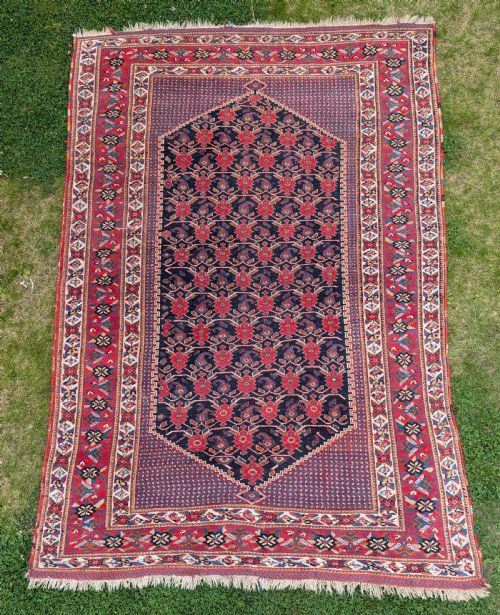
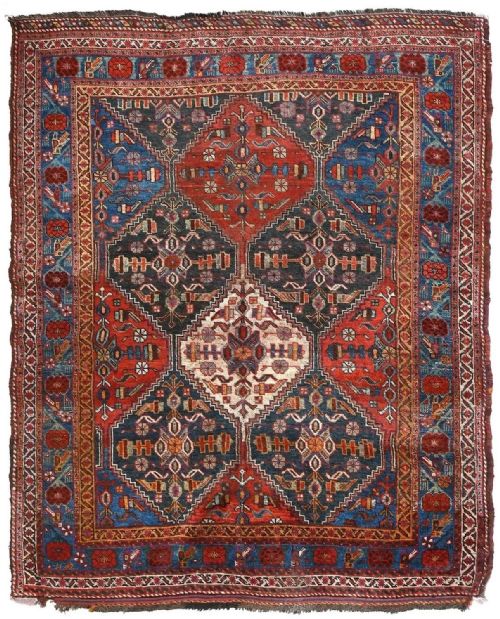
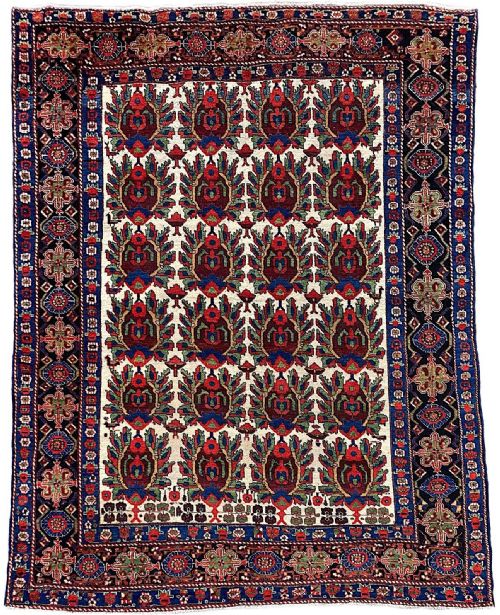
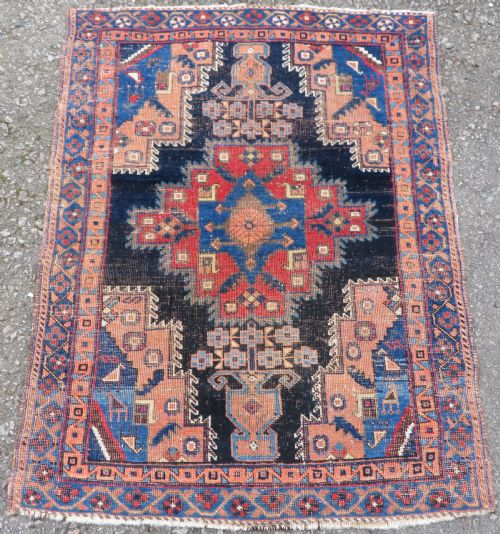
A navy wool afshar carpet brings authentic tribal character and geometric artistry into a room, forged by the skilled hands of weavers in southern Persia.
Navy Wool Afshar Carpet
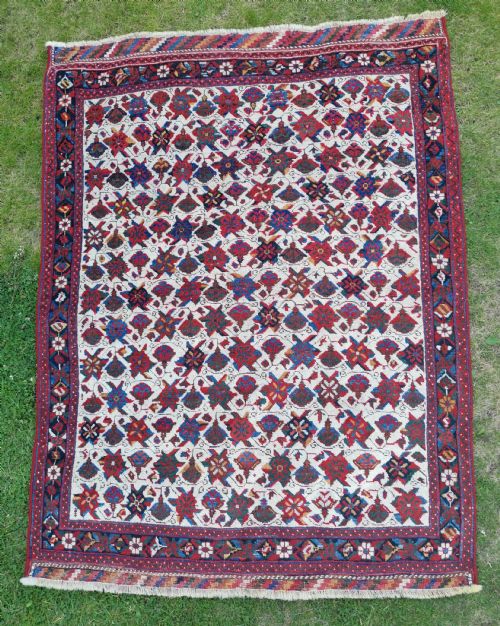
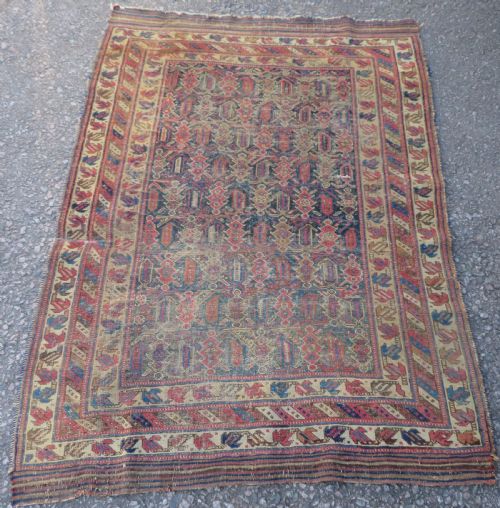
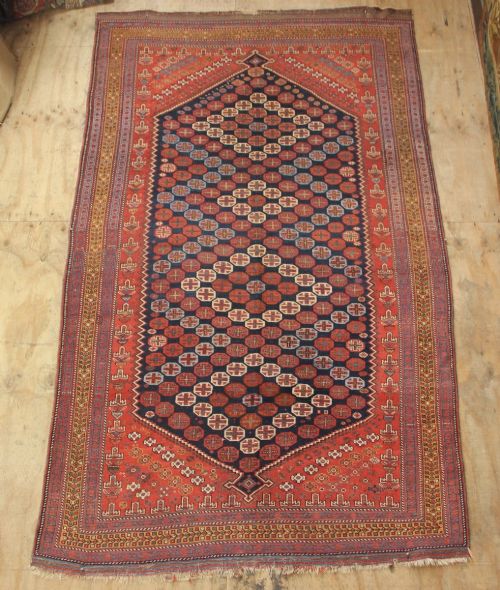
A navy wool afshar carpet is a woven textile originating from the tribal and village workshops of southern Persia, specifically associated with the Kerman province and regions such as Neiriz. When you search for this phrase, you encounter room-size carpets, runners, and smaller rugs created in the nineteenth and early twentieth centuries. These pieces reflect the traditional design vocabulary of pastoral weavers who settled in southern Persia.
The format of these textiles varies from compact scatter rugs measuring just over a metre to larger floor coverings stretching past two and a half metres. The evidence shows formats categorised as rugs, area rugs, long rugs, and runners. Many examples feature classic motifs such as the Herati pattern, the all-over boteh design, or distinctive shield medallions.
The dominant aesthetic draws on Persian tribal and village traditions, placing rich navy grounds against contrasting tones of red, blue, and ivory. Pieces range from antique works dating back to the second half of the nineteenth century through to vintage productions from the mid-twentieth century. Buyers often select them to anchor a study, hallway, or living space with genuine historical depth.
How they were made
A navy wool afshar carpet is constructed using natural animal and plant fibres, with hand-spun wool forming the pile and cotton typically used for the foundational warp and weft threads. The resilient nature of this wool provides the heavy-duty wear required for nomadic and village floor coverings. Spinners and dyers prepared these materials by hand before the weaver knotted each strand onto the loom.
The weaving technique relies on tight, upright knotting executed by tribal artisans working from memory or traditional pattern boards. This meticulous process allowed weavers to render intricate geometric layouts, repeat motifs, and sharp border guards with high definition. The resulting textile balances structural durability with a supple handle that softens further over decades of use.
Some tribal weavers incorporated subtle intentional irregularities into their borders to ward off the evil eye.
What varies in quality
The quality of a navy wool afshar carpet is determined by the density of the knotting and the precision with which the geometric or floral motifs are executed. Finer examples display intricate rendering of complex designs like the Herati pattern, showing crisp lines and well-balanced proportions across the field. Knot density dictates both the sharpness of the pattern and the structural integrity of the pile underfoot.
The handling of the wool and the depth of the dye palette also separate standard utility pieces from exceptional works. Superior examples utilise saturated indigo fields paired with contrasting botanical dyes that retain their vibrancy over generations. Surface wear and historical distress alter the pile height, though evenly weathered carpets often display a desirable patina valued by collectors.
The Navy Wool Afshar Carpet Glossary
- Afshar
- A semi-nomadic Turkic tribe originating in southern Persia, renowned for producing distinctive woven rugs and carpets with bold geometric styling.
- Herati design
- A classic Persian repeating pattern composed of a central rosette enclosed by curved leaves, frequently seen across antique tribal rugs.
- Boteh
- A stylised almond or paisley motif representing a floral shoot or cypress tree, commonly repeated in rows across nineteenth-century carpets.
- Neiriz
- A specific production centre and region within the Kerman province of South Persia associated with distinct tribal weaving characteristics.
- Soumak
- A flat-weaving technique where decorative weft threads are wrapped around the warp to create a textured, durable textile surface without a cut pile.
Navy Wool Afshar Carpet: Frequently Asked Questions
Where were these carpets made?
These carpets were woven by tribal and village communities in southern Persia, with many examples originating from the Kerman province and the Neiriz region. Weavers utilised traditional motifs passed down through generations.
The nomadic and settled populations of this area developed a distinct visual language that combined geometric structures with rich botanical symbolism.
How do I care for wool carpets?
Regular gentle vacuuming without a rotating brush helps prevent dust and grit from settling into the wool pile. Professional cleaning by a specialist in antique textiles is recommended every few years.
Keeping the carpet out of direct, continuous sunlight protects the natural dyes from premature fading and preserves the depth of the navy field.
What is the Herati design?
The Herati design is a traditional repeat motif consisting of a central floral rosette framed by two curved leaves, often accompanied by smaller rosettes. It creates a balanced, harmonious field pattern.
This motif appears frequently in Persian village and tribal weaving, providing an intricate backdrop that draws the eye across the carpet surface.
How do I date an antique carpet?
Dating relies on examining the structural materials, the construction of the selvages and ends, and the chemical composition of the natural dyes used in the wool. Stylistic markers also indicate whether a piece originates from the nineteenth or twentieth century.
Changes in palette and weaving tightness help place pieces into broader historical periods such as the late Victorian era or the mid-century vintage bracket.