




Nautical Seascape Art
Nautical seascape art captures the power of the open water, historic vessels and dramatic coastal weather through enduring oil and watercolour traditions.
Nautical Seascape Art
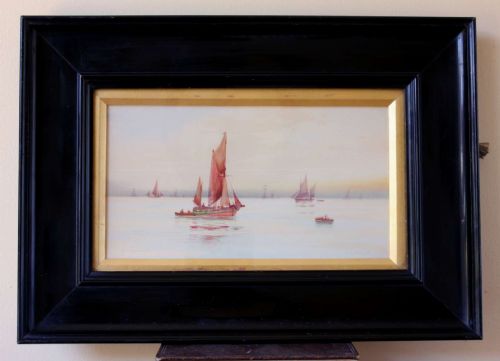
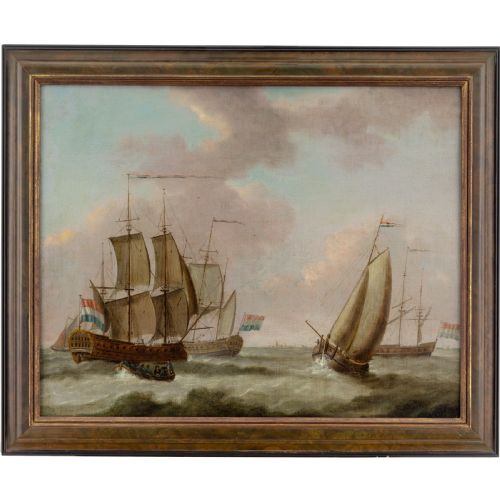
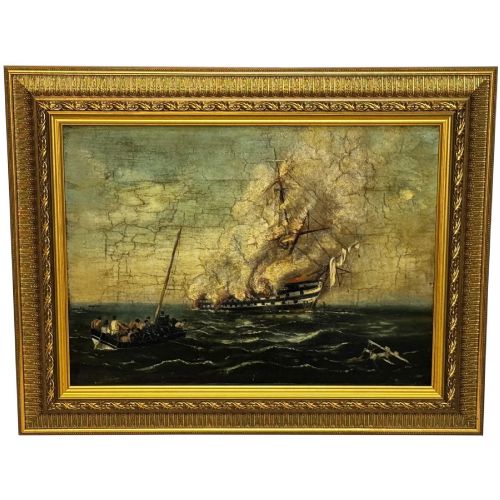
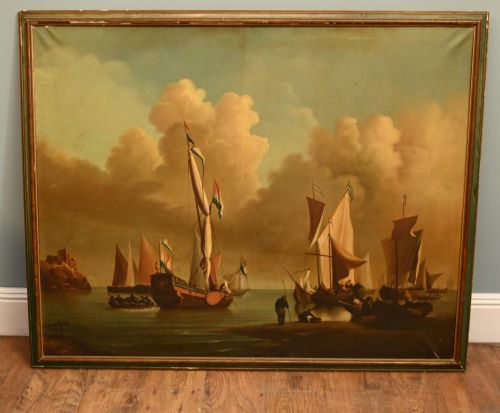
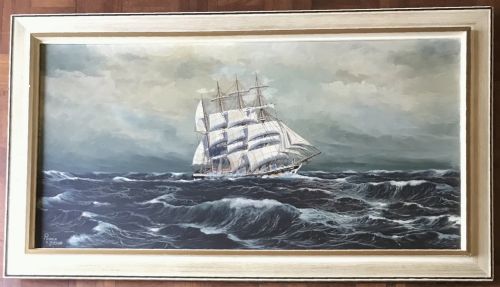
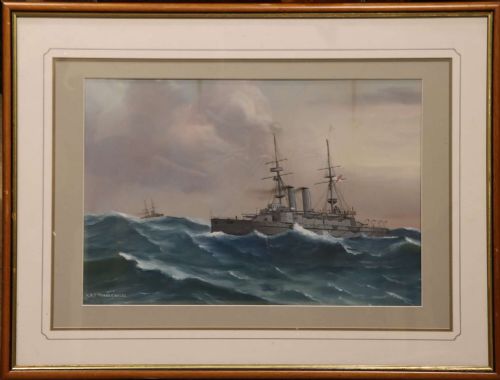
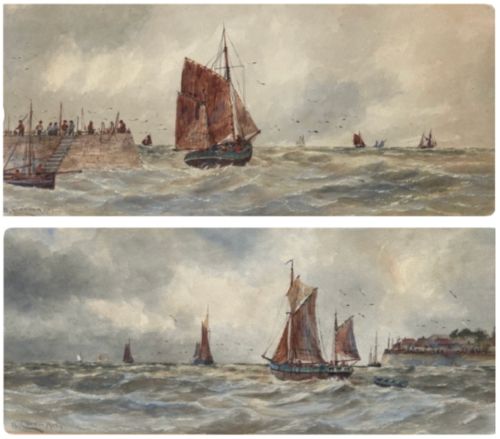
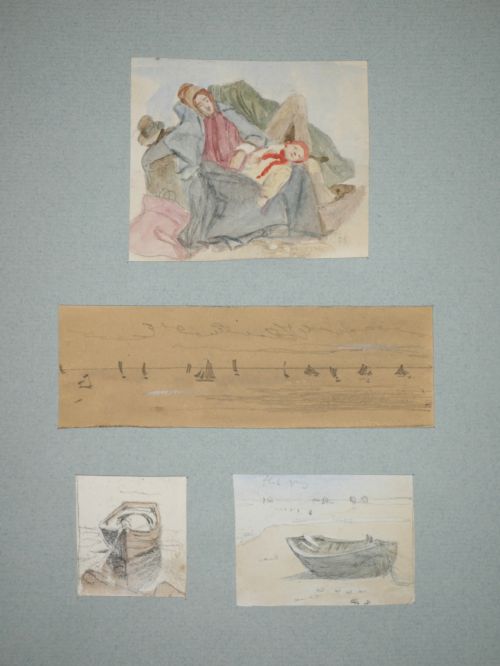
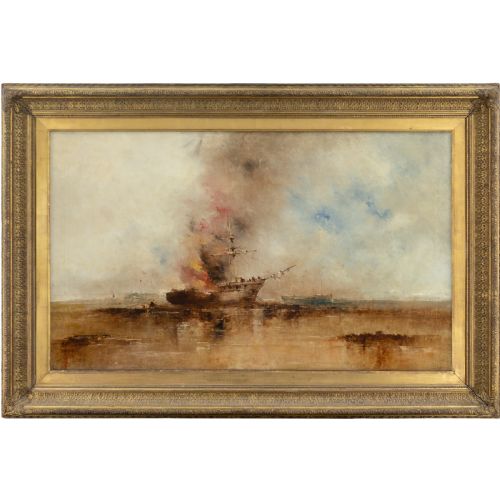
Nautical seascape art encompasses paintings, waterworks and drawings depicting maritime scenes, coastal views and historical ships upon the water. You will frequently encounter nineteenth-century works and Edwardian pieces recording bustling harbours, fishing boats and vessels in stormy seas.
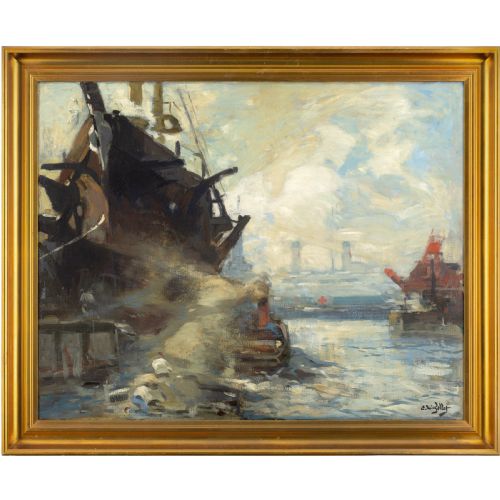
Makers and painters of this genre documented specific historical events, local shipping lanes and recognisable coastal landmarks across Britain and beyond. The works vary from detailed studies of rigging and hull construction to broader post-impressionist interpretations of waves and light.
How they were made
Artists relied primarily on oil paint applied to canvas or wood board, alongside watercolour and gouache executed on paper. These mediums allowed painters to capture the translucent movement of water and the dense atmospheric conditions of coastal storms.
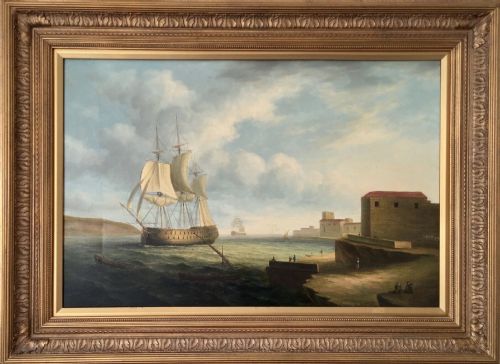
Many surviving pieces retain their original wooden gilt frames, which complement the maritime subjects through traditional gilding techniques. Support materials such as thick canvas and sturdy panels ensured these coastal works survived decades of changing environments.
Several artists clearly spent hours counting every single rope on those three-masted schooners before picking up a brush.
What varies in quality
Quality rests upon the artist's command of maritime anatomy, including the accurate depiction of rigging, hull perspective and wave mechanics. Superior examples demonstrate a confident handling of light reflecting off turbulent water and damp timber.
The sophistication of the brushwork and the preservation of the original pigment separate standard decorative pieces from accomplished fine art paintings. Stronger works convey genuine atmospheric tension and spatial depth rather than rigid formulaic composition.
James Hardy·Kenneth Cozens·James Orrock·William Cannon·Eugène-Louis Gillot·William McAlpine·B. Nash·Charles Edward Dixon·John Rose Miles·James Kay·William Broome·Bernard Gribble·Bonaventura Peeters·Frank William Scarbrough·F. Corpuz·Peter Brannan·Lucy Pratt·Willem Bos·TB Hardy·John Wilson Carmichael·Lai Fong·Dubovsky·John Moore of Ipswich·Nicholas Condy·William Henry Williamson
The Nautical Seascape Art Glossary
- Oil on Canvas
- A traditional painting method utilising pigment suspended in drying oil applied to stretched fabric. This medium permitted rich colour blending and textured brushwork suited to stormy seas.
- Watercolour Painting
- Pigments ground in water-soluble binders applied to paper surfaces. It created translucent washes ideal for luminous skies and calm coastal atmospheres.
- Gilt Frame
- A wooden picture surround coated with gold leaf or metallic paint. These ornate borders were designed to enhance the visual depth of nineteenth-century maritime scenes.
- Works on Paper
- An inclusive category covering sketches, drawings and watercolours. These items offer intimate insights into an artist's preliminary compositional process.
- Maritime Art
- Fine art dedicated to ships, harbours and ocean views. This genre reflects the historical importance of naval power and global trade.
Nautical Seascape Art: Frequently Asked Questions
What subjects do nautical seascape paintings show?
These works depict historical warships, fishing boats, merchant vessels, lighthouses and bustling harbours caught in various weather conditions. Artists recorded both tranquil coastal inlets and violent open ocean storms.
Many pieces document specific maritime events, local trade routes or recognisable coastal landmarks from the nineteenth and early twentieth centuries.
How do I care for antique oil and watercolour art?
Oil paintings on canvas require stable indoor humidity and protection from direct sunlight to prevent the paint surface from cracking or fading. Regular dusting with a soft, dry brush keeps the canvas clean.
Works on paper and watercolours are particularly sensitive to light and should be displayed away from direct sun exposure behind protective glass.
How can I tell the period of a maritime painting?
The style of the sailing vessels, merchant steamers and naval ships provides a clear chronological indicator for dating the artwork. Clothing styles of any figures depicted and the framing materials also offer strong clues.
Artist signatures, handwritten inscriptions on the reverse and exhibition labels help historians narrow down the exact decade of creation.
Were these paintings made by professional marine artists?
The selection includes pieces by formally trained professional painters, naval officers and accomplished members of regional art societies. Many dedicated their careers entirely to recording maritime subjects.
Amateur artists and regional British or European school painters also contributed significant topographical and historical records of coastal life.