
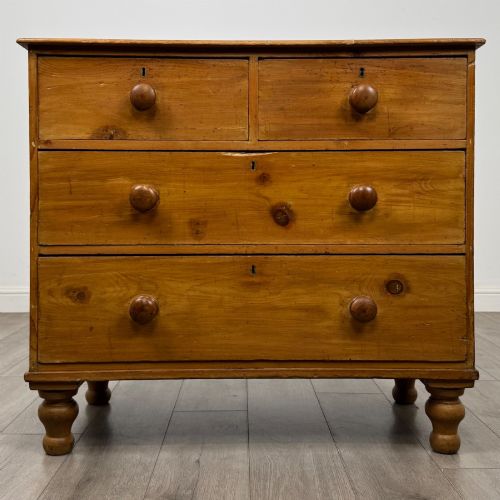
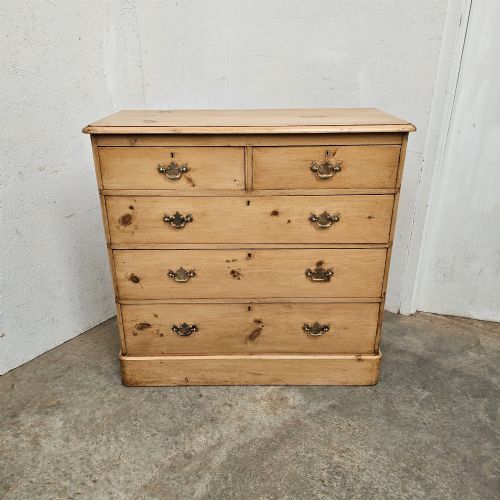

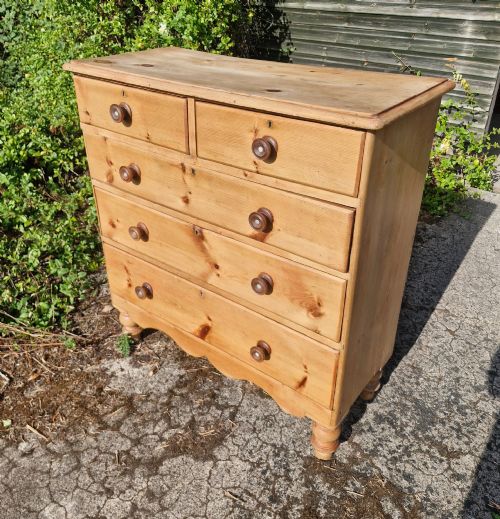
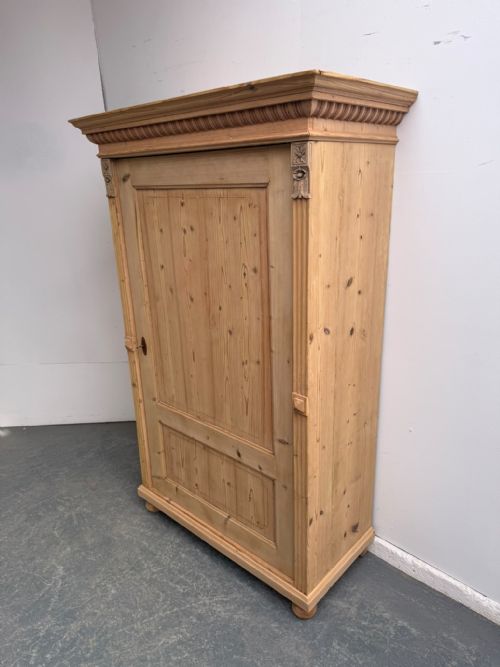


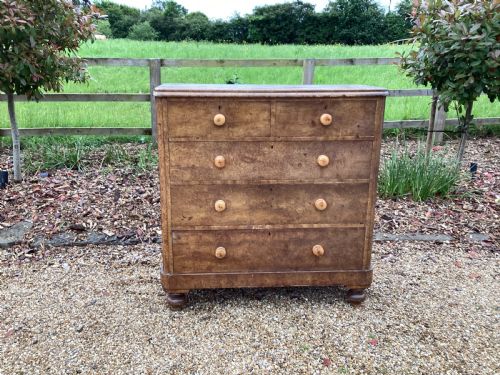

Natural Wood Tallboy
A natural wood tallboy offers substantial vertical storage, combining sturdy drawers with the honest grain of pine, ash, and oak.
Natural Wood Tallboy
When you search for a natural wood tallboy, you are looking at tall chests of drawers and cabinets designed to maximise storage without claiming excessive floor space. These pieces typically present as stacked drawer units, standing tall in the room with functional capacity. The selection spans straightforward utility to carved decorative statements.
The versions you are most likely to meet on this page hail from the Victorian period and the nineteenth century, alongside occasional early twentieth-century examples. Common formats include scrubbed pine chests and solid ash variants. Styles range from plain Victorian country workshops to Arts and Crafts designs and French provincial pieces.
Origins vary between British country pieces and continental workshops, unified by their wooden construction. You will encounter scrubbed surfaces, waxed finishes, and gallery backs. Some examples incorporate single doors or carved cupboards alongside standard drawer configurations.
Materials and construction
Makers relied primarily on pine, ash, and oak for these tall forms, selecting timbers for strength and reliable grain. Pine dominates the nineteenth-century examples, often finished with wax or left scrubbed. Solid ash appears in Arts and Crafts pieces, while oak provides heavier structure for French provincial furniture.
Hardware and minor components incorporate brass, metal, and bone elements to complete the construction. Bun handles frequently appear on drawer fronts for grip. Carved details adorn selected cupboard doors and drawer surrounds, showing hand-chiselled ornamentation rather than moulded plastics.
Listings feature Victorian, nineteenth-century, and 1920s periods, utilising pine, oak, ash, brass, and bone across chest of drawers and cupboard forms.
Judging quality
Quality separates simple utilitarian storage from finer regional craftsmanship through the selection of timber and the execution of carved details. Solid oak or ash frames demonstrate greater durability than softer pine variants. Finer examples show thoughtful proportioning across multiple drawer heights and gallery backs.
The treatment of the wood surface dictates the visual appeal, ranging from carefully scrubbed pine to rich waxed patination. Hardware integration, such as original brass fittings and well-turned bun handles, elevates the status of a piece. Carved cupboards and decorative panels distinguish bespoke work from standard workshop production.
The Natural Wood Tallboy Glossary
- Tallboy
- A tall chest of drawers, typically comprising multiple stacked drawers to provide high vertical storage capacity. These pieces save floor space while holding significant volume.
- Scrubbed pine
- Pine timber that has been thoroughly washed and scrubbed to reveal the pale, clean grain beneath old finishes. This treatment creates a matt, natural surface.
- Bun handle
- A small, rounded wooden knob shaped like a bun, commonly fixed to drawer fronts on nineteenth-century chests. They offer a simple grip for opening.
- Gallery back
- A raised timber barrier along the rear top edge of a chest or cabinet. It prevents items placed on top from sliding off the back.
- Arts and Crafts
- A design movement valuing handcraftsmanship, simple forms, and honest materials. Pieces from this tradition often feature solid ash and unpretentious construction.
Natural Wood Tallboy: Frequently Asked Questions
What is a natural wood tallboy?
A natural wood tallboy is a tall chest of drawers or cabinet made from timbers such as pine, ash, or oak. These pieces provide generous vertical storage while displaying the natural grain of the wood.
They appear primarily in nineteenth-century and Victorian styles, serving practical storage needs in bedrooms and living spaces.
How do I care for antique pine furniture?
Antique pine benefits from regular application of natural beeswax to nourish the wood and maintain its surface sheen. Avoid placing these pieces in direct sunlight or near heat sources to prevent timber splitting.
Cleaning should be done with a soft, dry cloth rather than harsh modern chemical polishes.
What periods do these pieces come from?
The pieces available span the Victorian era, the wider nineteenth century, and into the early twentieth century. You will find specific dates referenced from 1850 through to 1920.
Construction methods and stylistic details align with these historical periods, from plain country pine to Arts and Crafts ash.
Are these chests suitable for modern homes?
These tall chests fit well in contemporary interiors due to their narrow footprints and substantial vertical storage capacity. They provide functional wardrobe or linen storage without dominating room layouts.
The natural wood finishes complement both traditional and modern decorative schemes.