
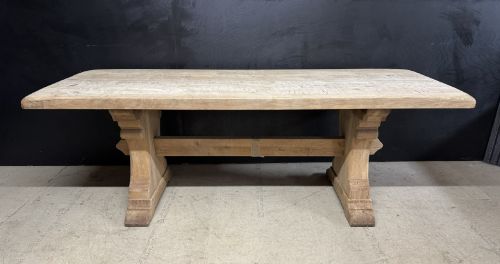
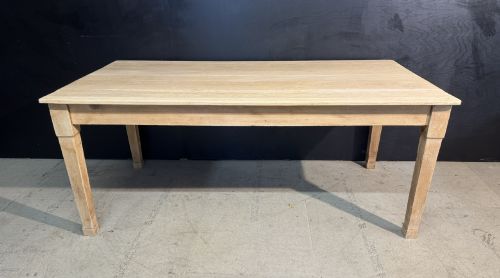
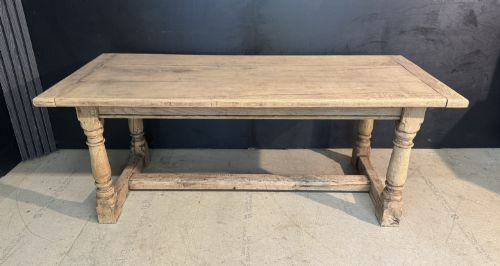
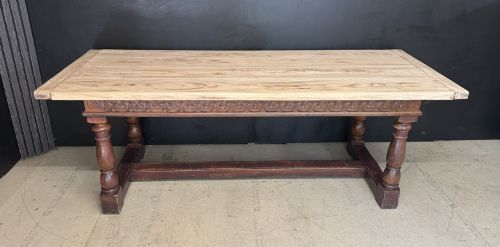


Natural Wood Dining Table
A natural wood dining table brings genuine warmth and utility into a home through honest grain and time-worn character.
Natural Wood Dining Tables
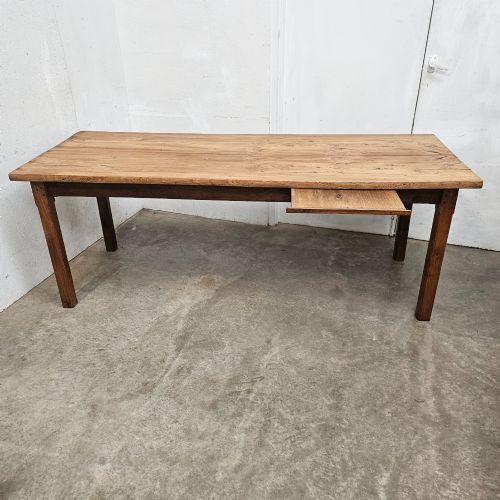
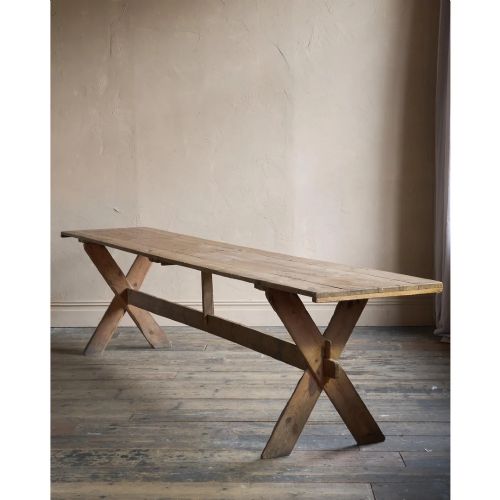
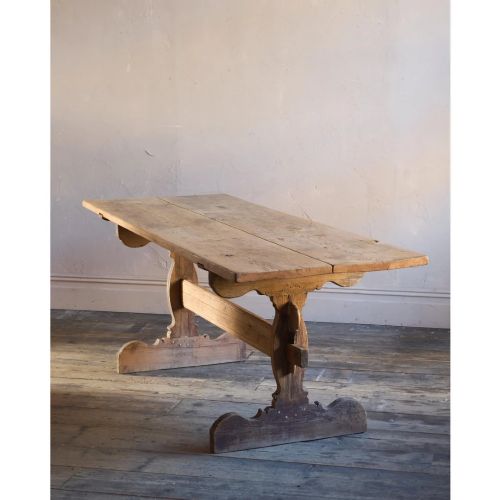
A natural wood dining table encompasses practical surfaces built for daily use, appearing here in Victorian and French Provincial styles. These pieces serve as the heart of the home, offering generous proportions for gathering.
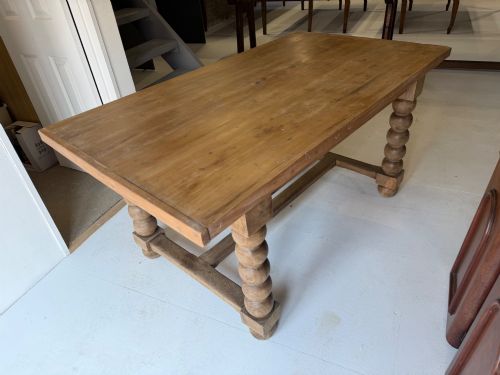
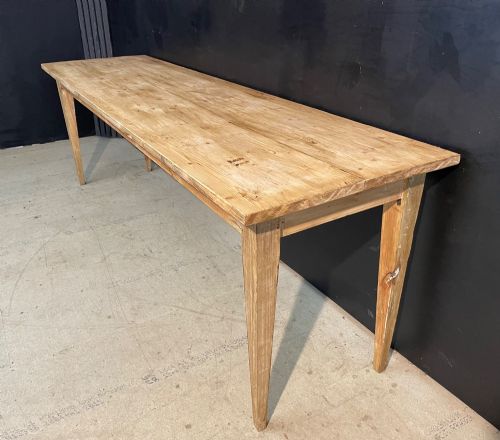
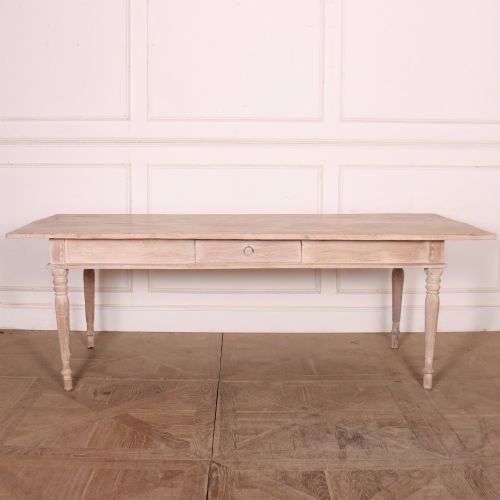
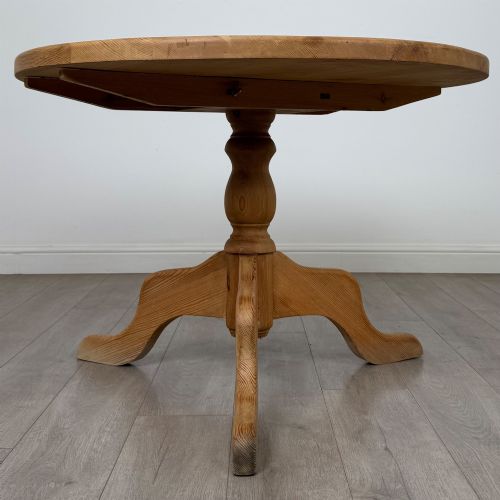
The selection centres heavily on Victorian pine kitchen tables and tilt-top breakfast tables alongside an early twentieth-century French farmhouse kitchen table. Buyers frequently encounter sturdy pine constructions bearing the marks of active household histories.
Construction and Materials
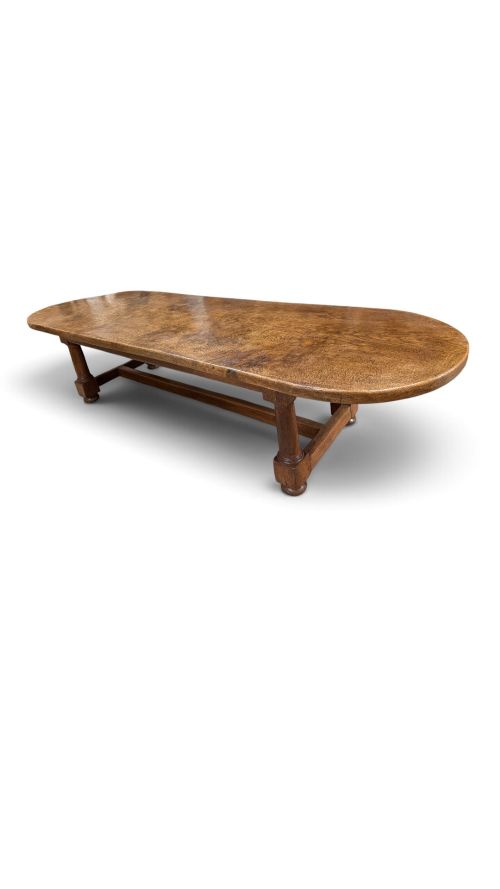
Carpenters built these tables using solid pine and oak, relying on traditional joinery methods to ensure everyday durability. Surfaces often show the natural grain developed through decades of hard use and simple maintenance.
Hardware details remain restrained, featuring functional elements such as brass components on specific tilt-top mechanisms. Construction focuses purely on structural integrity and practical utility for dining and food preparation.
Retail Price Guide 2026
Typical UK retail prices for natural wood dining table, calculated from the Sellingantiques database of over a million retail prices indexed since 2003. This retail price guide relies exclusively on Sellingantiques data; no external sources or auction records are used, so the figures do not describe the wider market.
Expect faint flour dust and historic tea rings in the grain, left by ancestors who took their baking very seriously.
Assessing Quality
Quality rests in the honesty of the timber and the integrity of the original construction rather than elaborate decoration. Pieces with well-proportioned turned legs and stable, movement-free tops stand at the upper end of the scale.
Patina dictates much of the visual appeal, where centuries of waxing and scrubbing create a deep, tactile warmth across the pine and oak surfaces. Tables that retain their original structural rigidity without excessive timber replacement hold greater appeal.
The Natural Wood Dining Table Glossary
- Pine
- A softwood commonly utilised for kitchen and farmhouse tables due to its accessibility and resilience under daily domestic labour. It takes on a rich honey tone and deep character marks over generations of use.
- Oak
- A dense, durable hardwood prized for structural framing and longevity in antique furniture construction. It provides exceptional stability for large dining surfaces.
- Tilt-top
- A hinged table mechanism allowing the surface to tip vertically for storage against a wall when not in use. This clever design was particularly common in nineteenth-century breakfast rooms.
- French Provincial
- A style originating from regional France, characterised by practical proportions, unpretentious charm, and sturdy wooden construction. These tables reflect rural utility rather than urban formality.
Frequently Asked Questions
How do I clean an antique pine table?
Wipe the surface gently with a damp cloth and mild soap, avoiding harsh chemical cleaners that strip the historic finish.
Apply a natural beeswax periodically to nourish the dry timber and maintain its soft, protective lustre.
Can I use a farmhouse table daily?
These tables were originally built for heavy kitchen labour and family dining, making them inherently robust for modern daily life.
Using placemats and coasters helps protect the aged wooden surface from excessive moisture and heat.
How do I identify a Victorian kitchen table?
Victorian kitchen tables typically feature solid pine construction, straightforward turned or tapered legs, and thick working tops.
Evidence of historical scrubbing, ink stains, and deep scuffs often confirms their authentic nineteenth-century domestic origins.