

Natural Timber Table
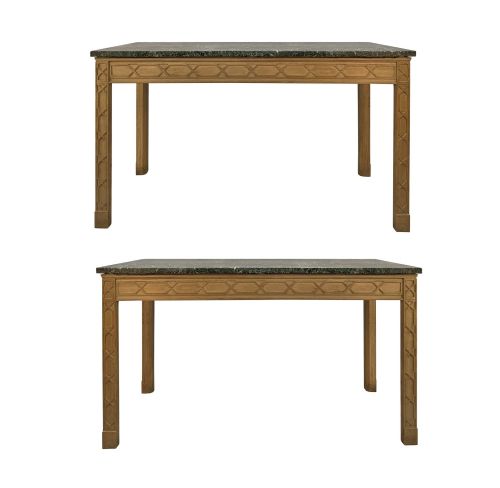
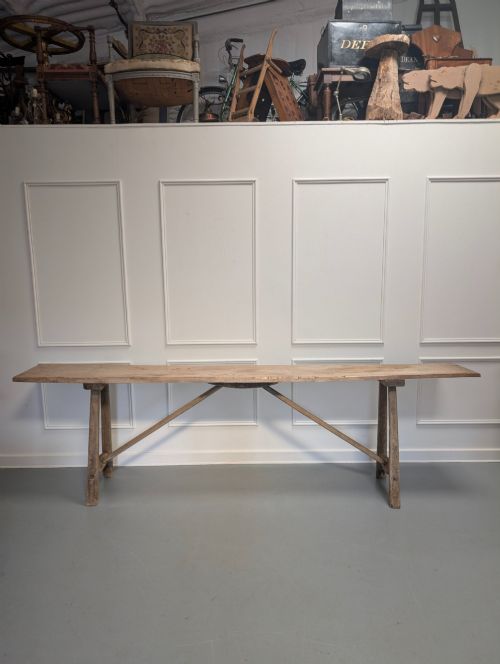
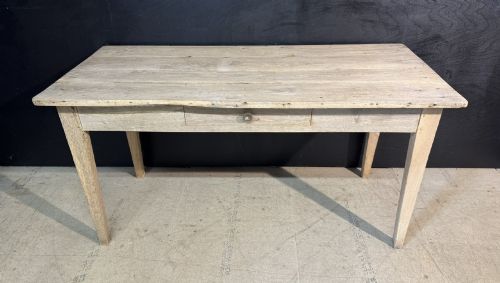
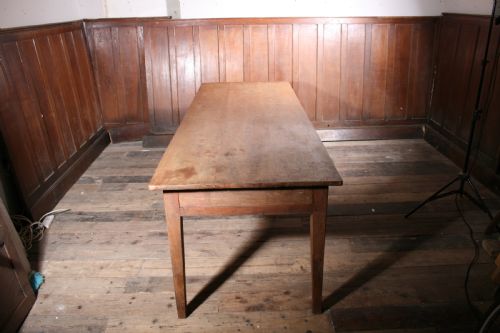
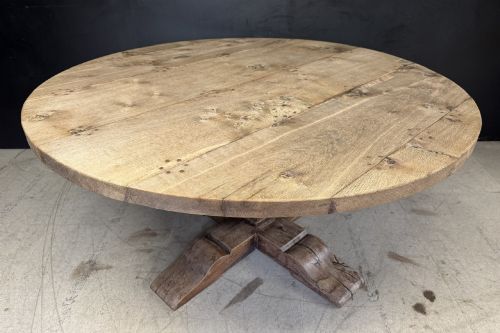
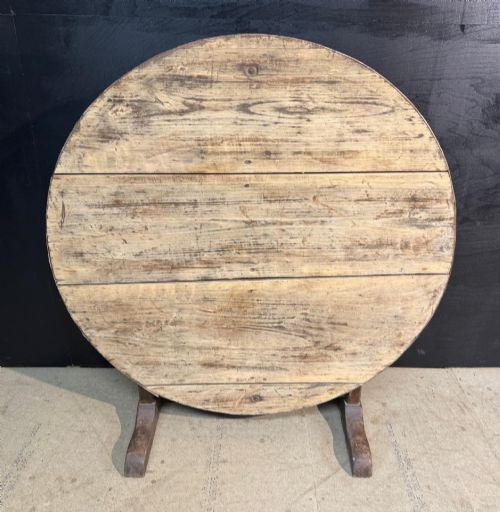
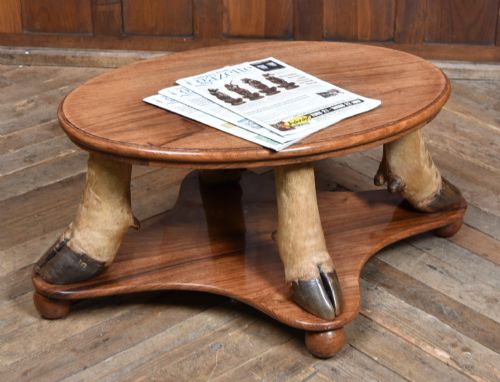
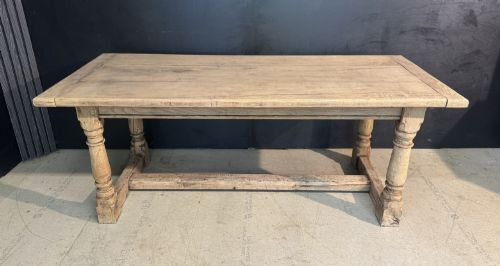
These pieces form a natural timber table selection spanning utilitarian work surfaces to regional farmhouse dining tables.
Natural Timber Table
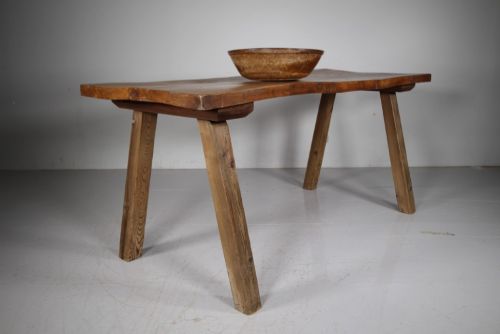
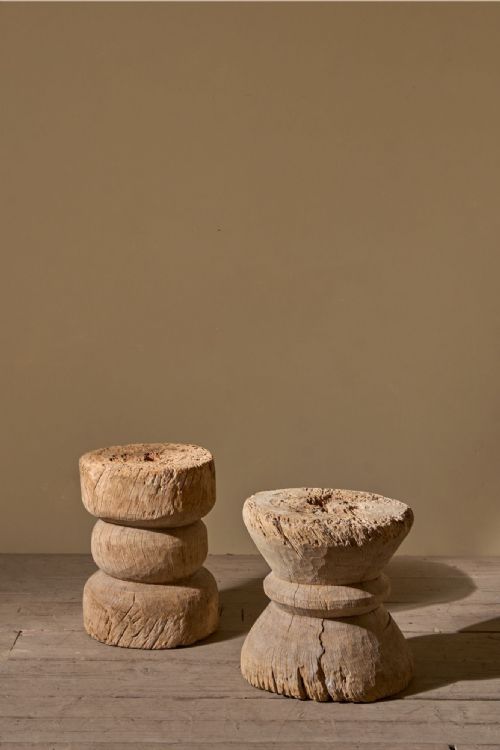
A natural timber table brings straightforward domestic history into a room, taking forms from the nineteenth century up through the nineteen-thirties. You meet large elm and pine farmhouse tables alongside smaller occasional pieces, console tables, and heavy chopping blocks.
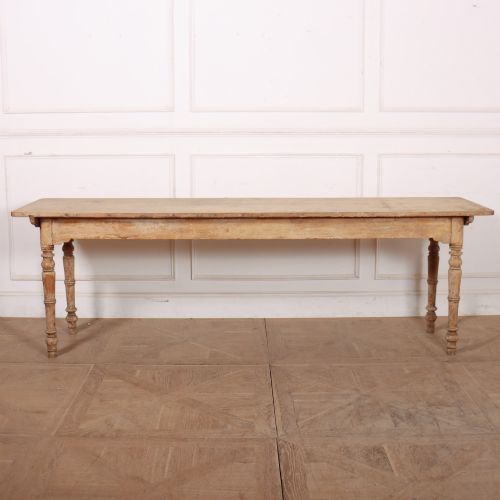
The most common formats on this page are dining and kitchen tables originating from rural regions in Britain, France, and Italy. These vary from scrubbed pine and bleached oak dining surfaces to smaller cricket tables and side tables built for daily utility.
Materials and Construction
Makers utilised solid domestic hardwoods and softwoods including pine, oak, elm, ash, sycamore, and cherrywood, often joining them with simple iron or wooden supports. Surfaces show the marks of hand tools, adzed finishes, and the natural grain of unpainted or waxed timber.
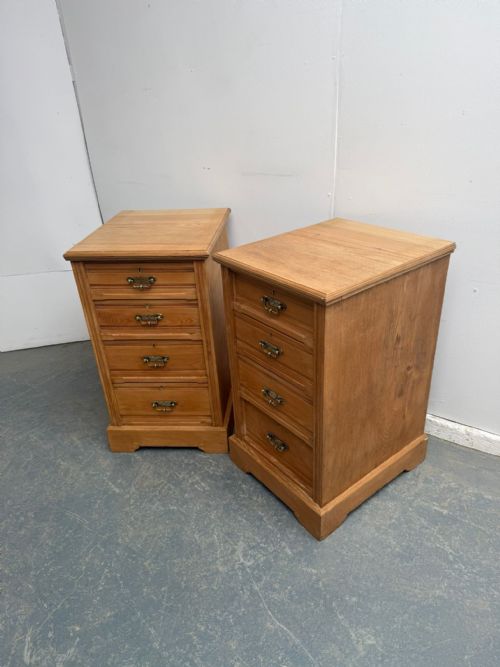
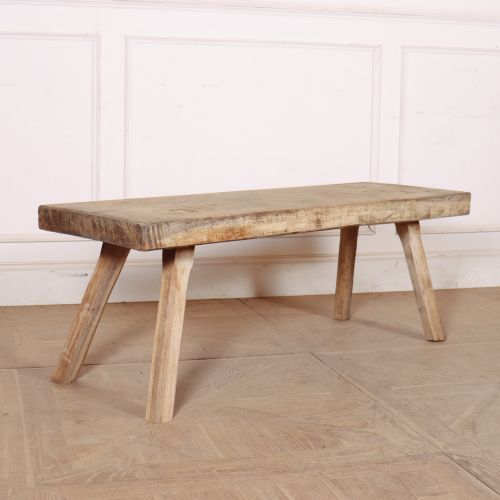
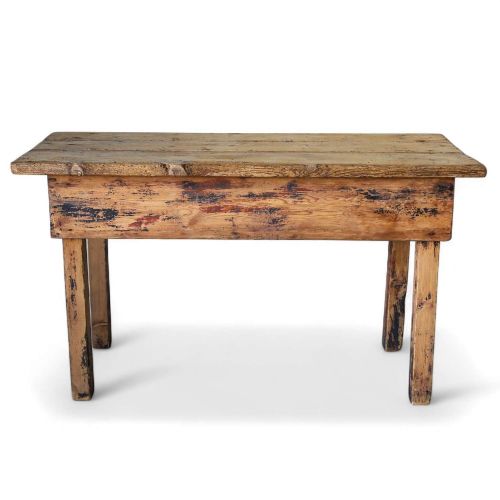
Work tables and chopping blocks frequently combine thick pine or beech tops with sturdy square-section legs or trestle bases designed to withstand heavy preparation work. Details like drawers incorporate traditional joinery adapted for robust service rather than ornamental display.
Natural Timber Table Retail Price Guide 2026
Typical asking prices for natural timber table among the pieces listed under this phrase on Sellingantiques today, from the lower quarter to the upper quarter. They describe what is for sale here now, not the wider market.
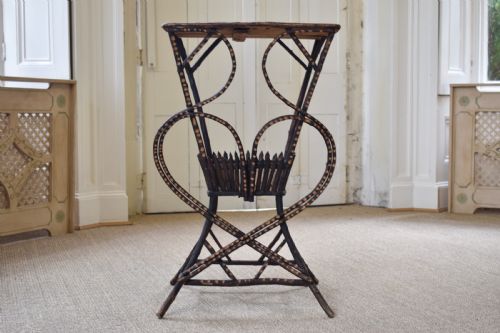
One exceptional piece listed here is a folk art twig table from nineteen hundred, bringing woodland construction indoors.
Distinguishing the Examples
Quality rests in the integrity of the timber and the honesty of its wear, where deep scrubbed grain and original structural weight distinguish a piece built for heavy labour from lighter decorative adaptations. The best examples retain their original proportions and uncompromised structural timbers.
Provenance and regional character elevate certain forms, such as Welsh or French provincial tables, where local joinery traditions and patinated surfaces reflect genuine period use. The depth of surface character - earned through decades of scrubbing and exposure - dictates the standing of each piece.
The Natural Timber Table Glossary
- Scrubbed pine
- Pine kitchen tables cleaned repeatedly with soap and water over generations, producing a pale, clean surface texture. This finish defines many traditional farmhouse tables.
- Cricket table
- A small, lightweight three-legged table historically used beside a hearth. The tripod base provides stability on uneven flagged floors.
- Farmhouse table
- A large utilitarian dining or work table built from solid timber such as elm, oak, or pine. These pieces form the centrepiece of rural kitchens.
- Trestle table
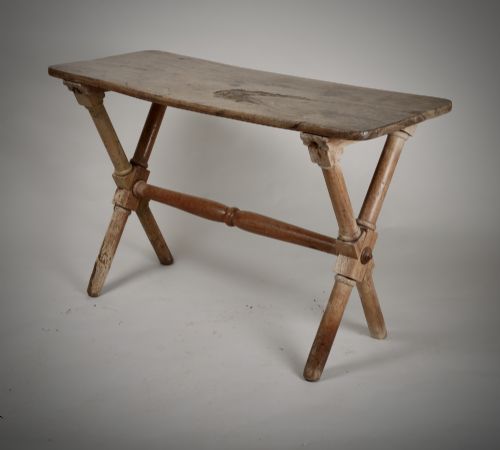
- A board resting on two or more supports connected by a horizontal beam. This form allows maximum legroom along the length of the table.
Natural Timber Table: Frequently Asked Questions
How do I clean a natural timber table?
Wipe surfaces using a damp cloth and mild soap, avoiding harsh chemical sprays that strip the natural wax and dry out the grain.
Allow the timber to dry completely and apply a clear beeswax periodically to maintain the soft sheen and protect the wood from moisture.
Are these tables suitable for daily dining?
These tables were constructed for heavy daily use in kitchens and farmhouses, making them exceptionally durable for modern dining environments.
Their robust timber construction handles everyday wear comfortably, while existing marks and patination absorb further family history.
How can I tell a nineteenth-century table apart?
Examine the underside and joints for hand-cut marks, pegged tenons, and timber shrinkage that indicate older hand-tool methods.
Differences in hardware, nail types, and the depth of the surface patina help distinguish nineteenth-century examples from later twentieth-century reproductions.
What is a dairy prep table?
Dairy prep tables were specialised functional surfaces used in farm dairies for cheese making and butter preparation.
They frequently feature scrubbed softwood tops like sycamore or pine combined with sturdy frames built to withstand damp environments.