
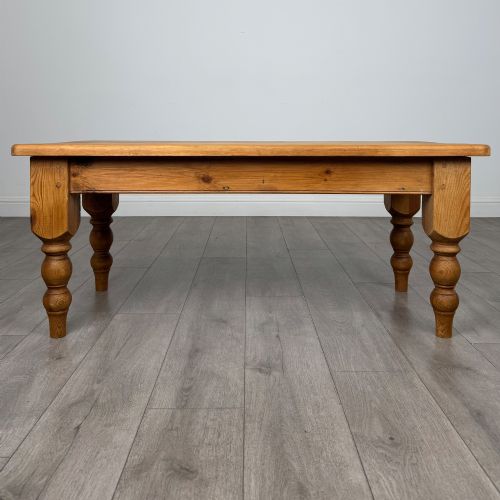
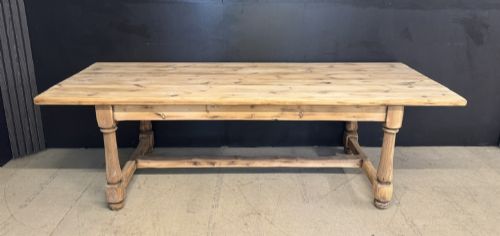
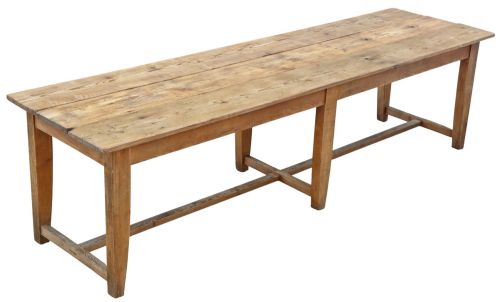
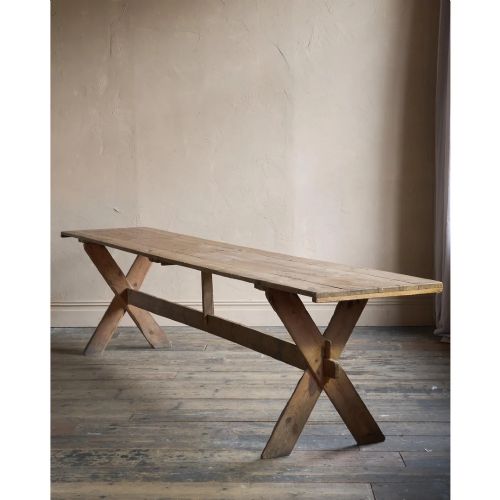
Natural Pine Farmhouse Table
A natural pine farmhouse table brings warmth and utility to a room through honest timber construction and generations of daily use.
Natural Pine Farmhouse Table
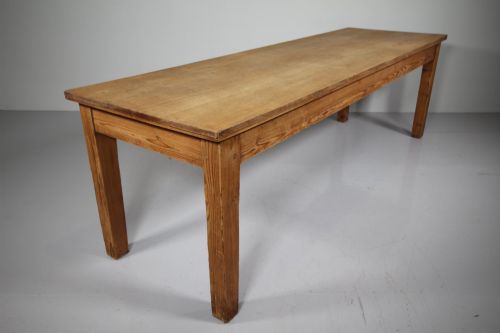
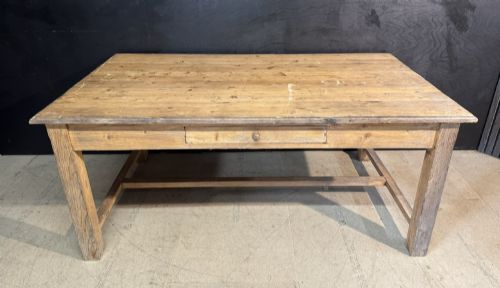
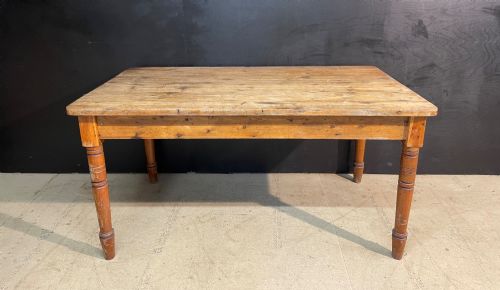
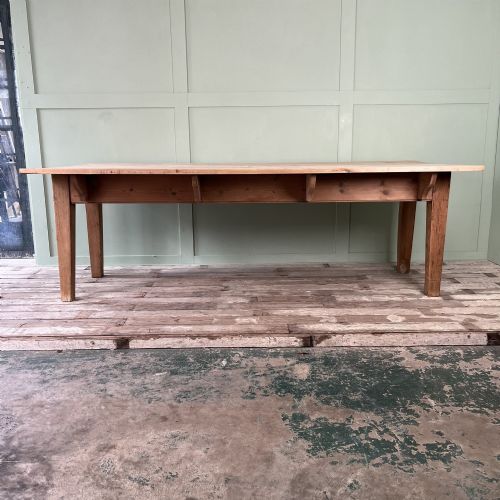
A natural pine farmhouse table is a utilitarian domestic object built for heavy daily use in kitchens and dining rooms. These pieces originate predominantly from the nineteenth century and the early decades of the twentieth century, reflecting an era of straightforward domestic carpentry.
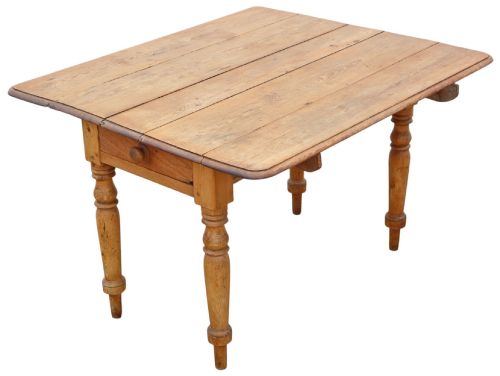
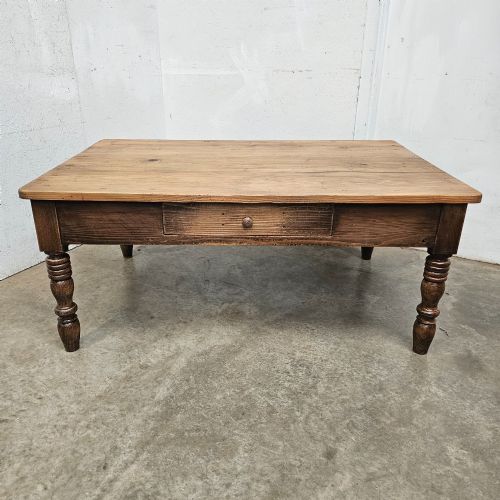
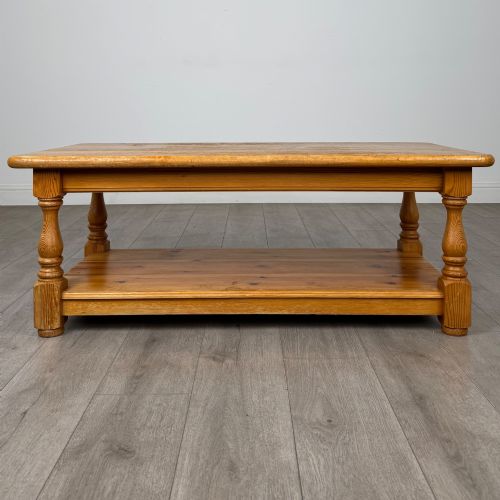
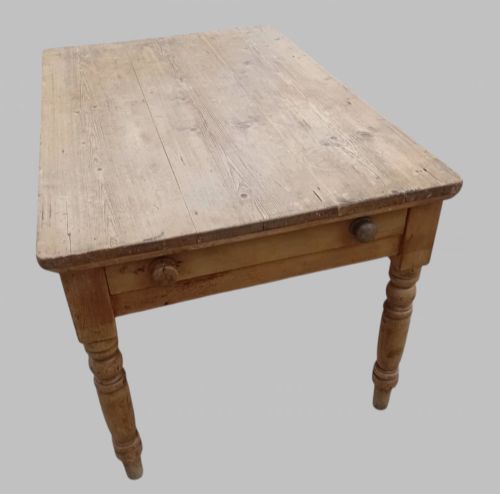
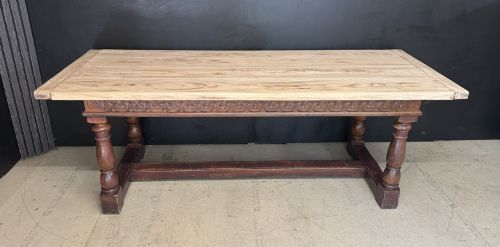
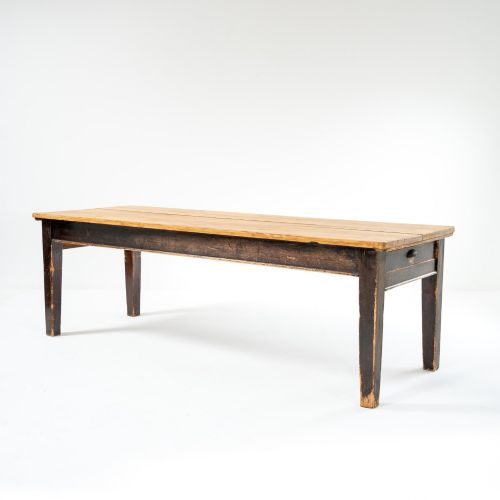
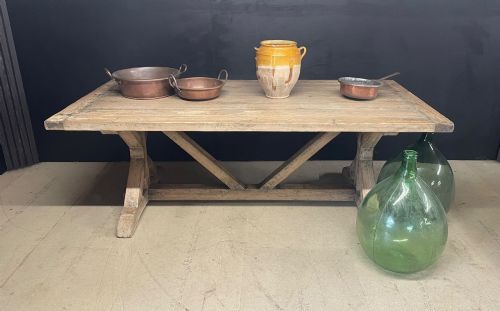
The most common examples on this page are large Victorian and Edwardian kitchen and dining tables, often fitted with a drawer for storage. You will also encounter specialised forms such as folding drop-leaf tables, long refectory pieces, and low coffee or console variants.
Origins span English, Welsh, French, and Swedish regional traditions, showing distinct local joinery methods and proportions. Many feature scrubbed timber tops developed through decades of hard scrubbing with soap and water.
Variations in character
Quality in these tables rests upon the integrity of the original timber and the depth of the earned patina rather than crisp factory perfection. Tables with untouched surfaces, original painted legs, and robust structural frames command greater appreciation than heavily altered examples.
Proportion and scale also define the standing of a piece, from compact breakfast tables to massive harvest tables stretching twelve feet or more. The balance between the scrubbed top and the supporting base determines the visual weight of the furniture.
Some nineteenth century harvest tables stretch over twelve feet long, built specifically to feed hungry farm hands in a single sitting.
The Natural Pine Farmhouse Table Glossary
- Scrub top
- A tabletop finished by vigorous scrubbing with water and scouring agents, producing a pale, clean, and deeply textured wooden surface. This finish is characteristic of domestic kitchen tables kept strictly hygienic.
- Refectory table
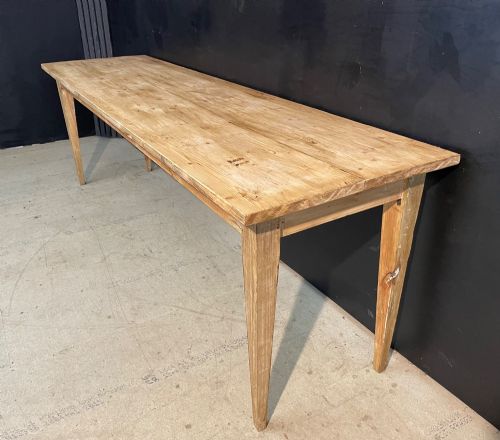
- A long, narrow dining table historically used for communal meals in large halls. In pine, these elongated pieces function well in modern kitchens and dining spaces.
- Drop leaf
- A table featuring hinged flaps on the sides that fold down to save space when not in use. This mechanism allows the furniture to adapt to smaller rooms.
- Trestle table
- A form where the top rests upon two or more vertical supports connected by a horizontal beam. This design provides maximum legroom along the length of the table.
- Harvest table
- An exceptionally long dining table designed to accommodate large groups during seasonal gatherings. These pieces often feature sturdy turned or square section legs to support the extended span.
Natural Pine Farmhouse Table: Frequently Asked Questions
How do I clean a scrubbed pine top?
Clean the surface using warm water and a mild soap applied with a natural bristle brush, following the direction of the grain.
Avoid harsh chemical detergents or excessive water pooling, which can raise the grain and damage the historic timber.
Are these tables suitable for daily dining?
These tables were originally built for heavy daily domestic work, making them exceptionally durable for modern family meals.
Their robust construction handles everyday use comfortably while continuing to accumulate character and patina.
How can I tell a Victorian table from an Edwardian one?
Victorian tables typically feature heavier proportions, darker underlying patinas, and sturdily turned or square supports designed for rigorous kitchen tasks.
Edwardian examples often present slightly lighter frames and simpler lines reflecting changing domestic fashions of the early twentieth century.
Do painted bases indicate original finishes?
Original painted legs show authentic wear patterns, crackle, and historical pigment layers that align with the age of the pine top.
Subsequent overpainting or completely pristine modern paintwork usually suggests later decoration rather than factory-original finish.