
Natural Oak Table
A natural oak table brings honest timber and enduring utility into a room, spanning centuries of practical woodworking from rustic farmhouse designs to refined provincial styles.
Natural Oak Table
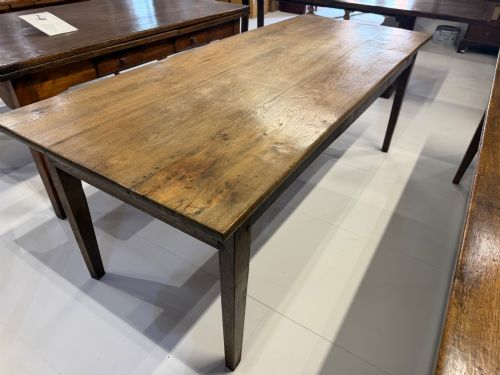
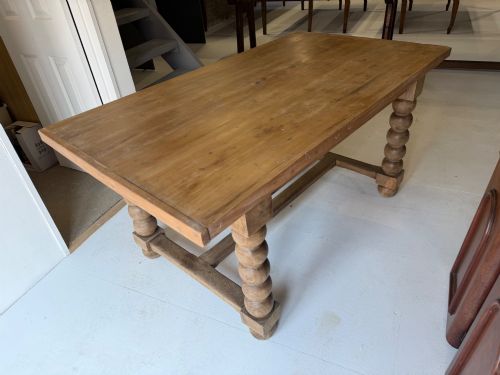
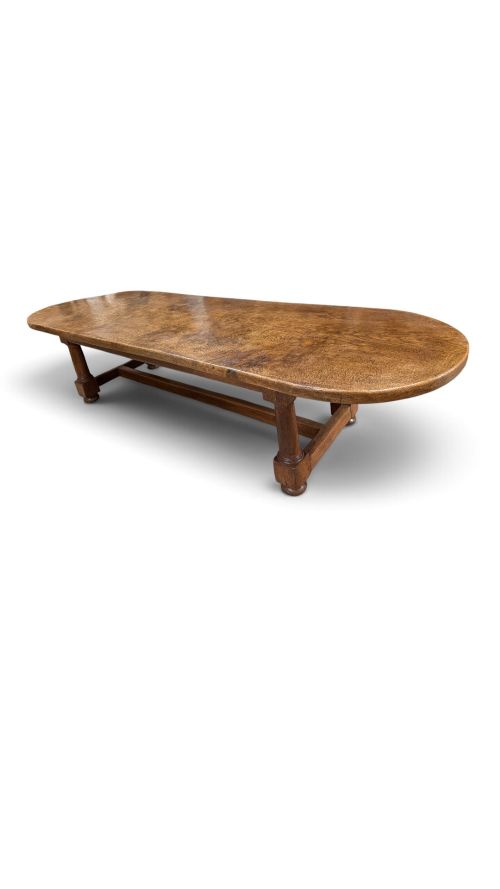
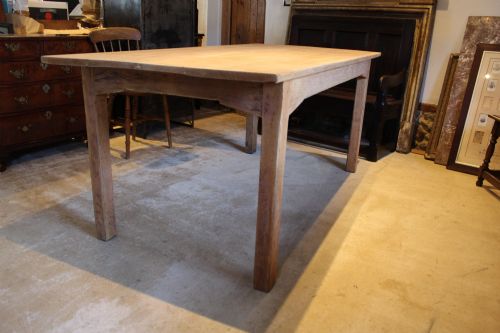
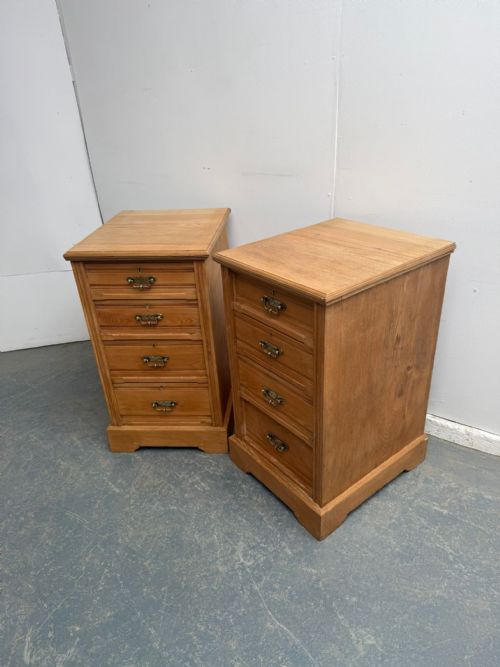
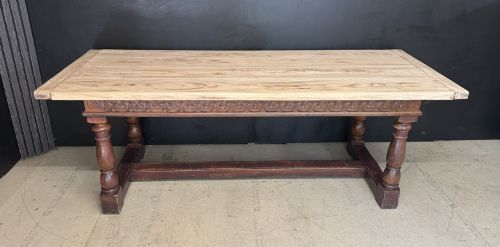
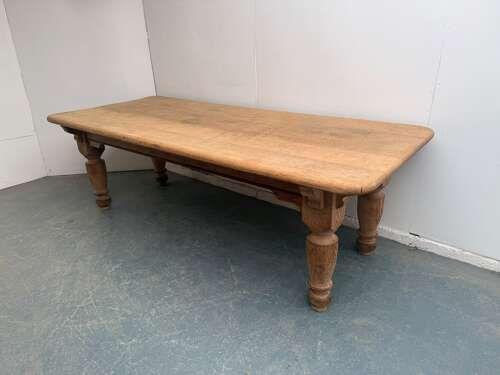
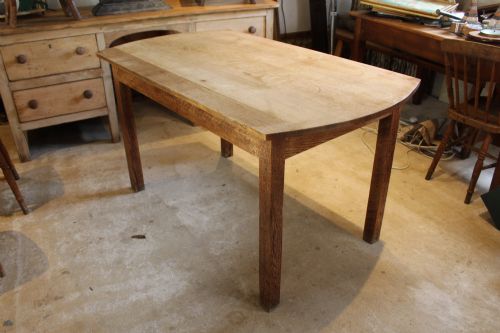
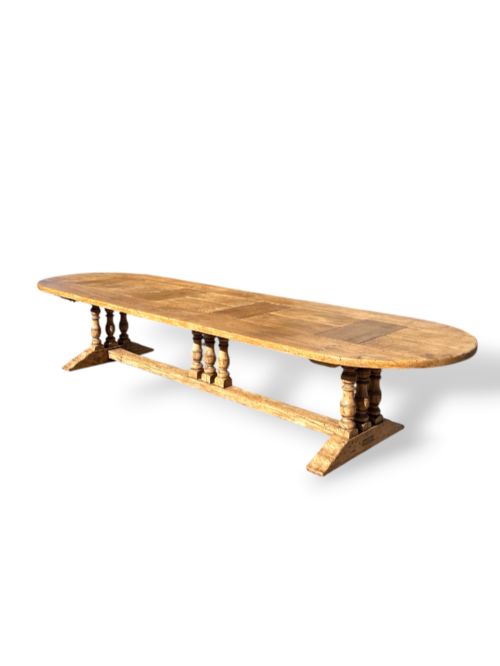
A natural oak table represents a diverse group of domestic furnishings built primarily for dining, serving, and daily use. When searching for a natural oak table, buyers encounter formats ranging from expansive refectory and farmhouse dining boards to compact coffee tables and bedside cabinets.
The selection draws heavily from 18th century, 19th century, and early 20th century periods, incorporating Victorian and Edwardian examples. French provincial and rustic country styles appear frequently alongside British farmhouse traditions.
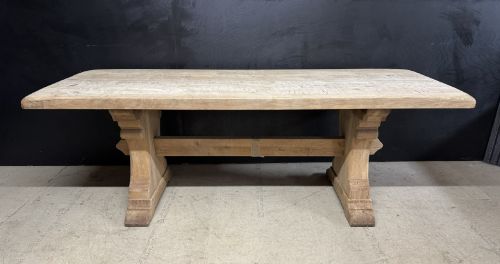
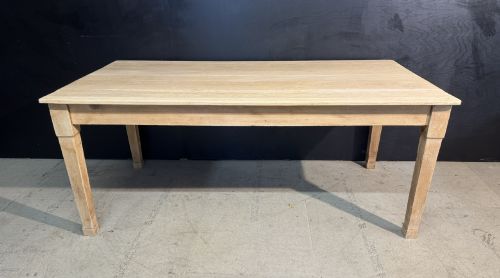
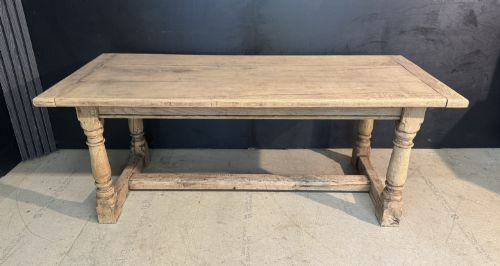
Dining tables dominate the selection, often featuring substantial timber tops designed to seat large numbers of people. Occasional, console, and tavern tables provide smaller scale alternatives while maintaining the same heavy timber construction.
Assessing quality and character
Quality rests in the integrity of the timber, particularly the presence of single plank tops or dense, stable quarter-sawn boards. The weight and thickness of the oak dictate the structural soundness of the piece across decades of use.
Refinement of joinery and the subtlety of leg turnings distinguish standard utility furniture from pieces bearing distinct stylistic influence or workshop attribution. Original surface treatments and untouched patination further elevate the standing of an individual table.
Listings span from the 18th century through to the 1920s, featuring oak alongside supporting materials like brass, pine, iron, and sycamore.
Heals of London·Rowland Ward of London
The Natural Oak Table Glossary
- Refectory table
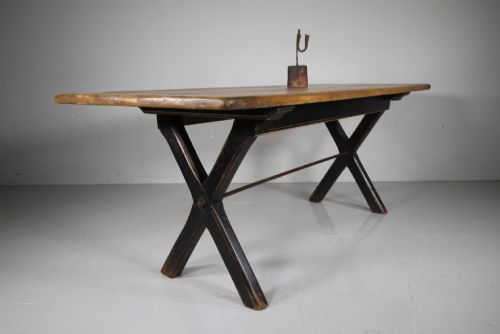
- A long dining table traditionally used in monastic refectories and later adopted for domestic halls. These pieces feature long timber boards supported by substantial trestles or heavy legs connected by stretchers.
- Bleached oak
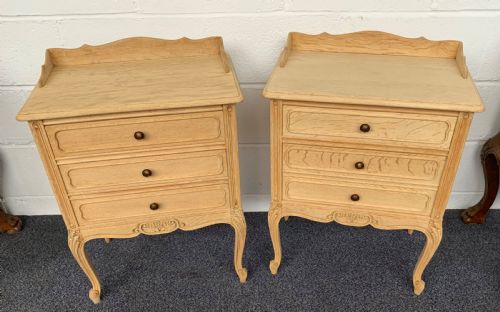
- Timber treated to lighten the natural dark tones of aged oak, creating a paler finish popular in French provincial furniture. This process highlights the open grain of the wood.
- Pig bench
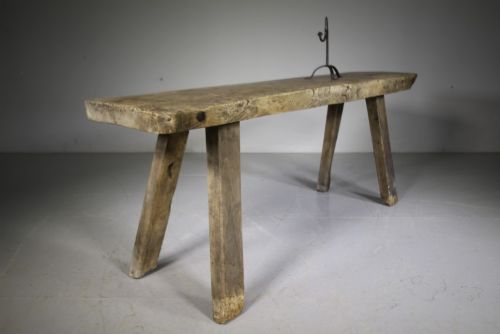
- A low, sturdy wooden bench historically utilised in agricultural settings and repurposed today as a low coffee table. They exhibit heavy timber construction and deep surface wear.
- Tavern table
- A robust, smaller scale table built for commercial public houses and domestic kitchens alike. They typically feature simple sturdy legs and thick tops designed for heavy daily use.
Natural Oak Table: Frequently Asked Questions
How do I clean a waxed oak table?
Maintain a waxed surface by wiping it gently with a dry or slightly damp cloth to remove everyday dust and debris. Avoid harsh chemical cleaners that strip the protective wax barrier.
Periodically apply a quality beeswax and buff it out with a soft cloth to nourish the timber and preserve the natural sheen.
Are these tables suitable for daily family dining?
Most pieces listed are built from solid hardwood designed originally for heavy domestic or communal use. Their robust construction handles daily meals and gatherings with ease.
Using heat mats and coasters protects the historic timber and original finishes from water rings and thermal shock.
What is the difference between a refectory and a farmhouse table?
Refectory tables traditionally feature long, narrow proportions with stretcher bases connecting the legs to maintain rigidity over extended lengths. They originated in large dining halls and monasteries.
Farmhouse tables often display more domestic proportions with four corner legs, sometimes incorporating practical drawers for cutlery and linens.
How can I date an antique oak table?
Dating relies on examining construction marks, tool signatures left by saws, and the type of joinery used in the frame. Hand-cut joints and timber shrinkage patterns indicate age.
Hardware styles, timber selection, and overall proportions align specific pieces with periods such as the 18th century, Victorian era, or Edwardian decades.