


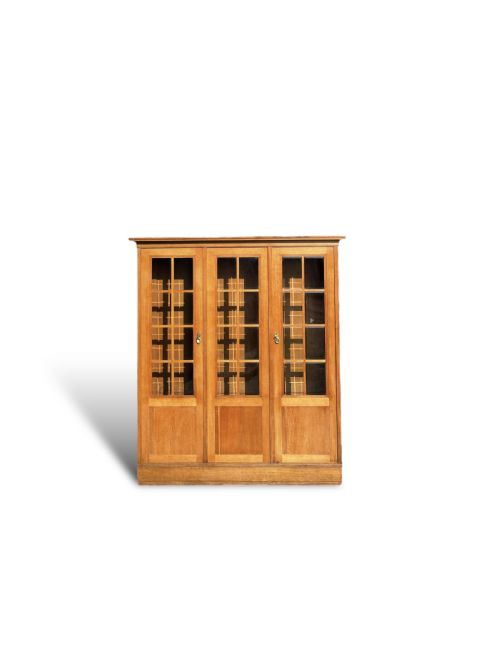


Natural Oak Cupboard
A natural oak cupboard brings honest grain and sturdy timber into a room, offering timeless utility.
Natural Oak Cupboard
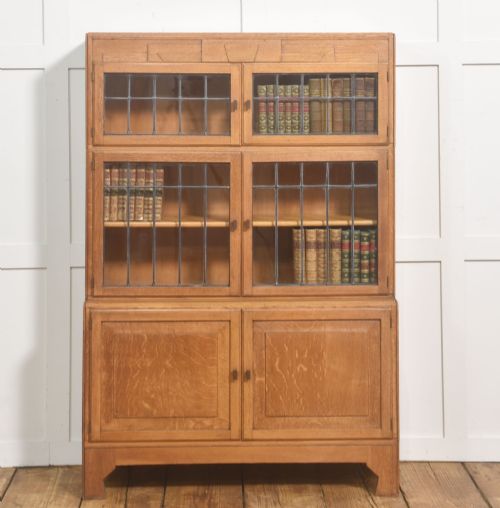
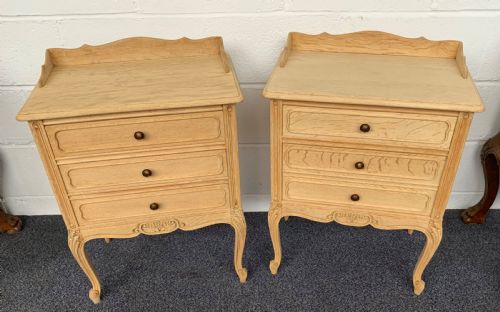
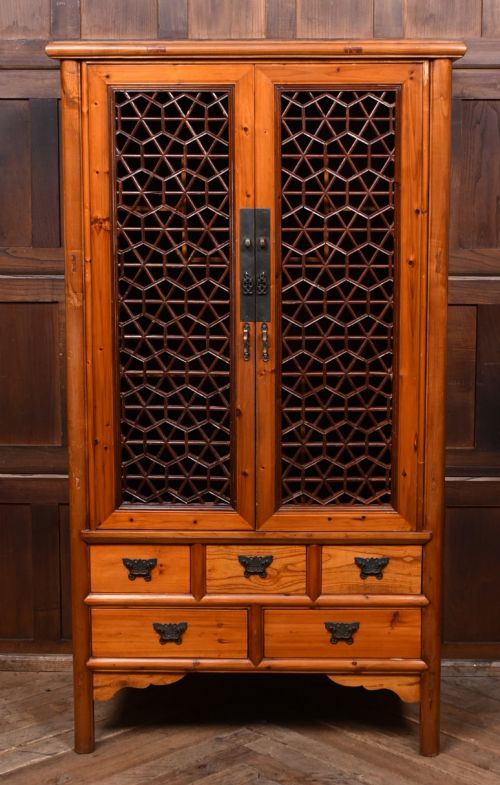
A natural oak cupboard is a functional storage piece built from solid timber, appearing across periods from the eighteenth century through to the art deco era. These pieces range from simple provincial bedside units and kitchen larder cupboards to substantial glazed bookcases and armoires.
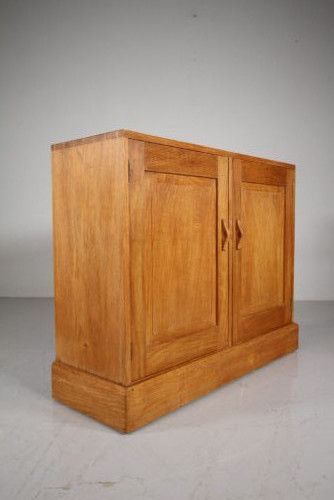
Buyers on this page most frequently encounter nineteenth-century and early twentieth-century examples, including French provincial designs and English regional work. The forms vary from two-door cupboards to tall storage units fitted with leaded glass or iron hardware.
How they were made
Makers built these pieces primarily using solid oak and English oak, occasionally incorporating pine as a secondary wood for internal structure. Surfaces frequently display bleached or natural finishes that highlight the raw grain of the timber.
Construction relied on traditional joinery supplemented by functional hardware. Iron hinges, brass fittings and leaded glass panes appear across the various styles, from Gothic Revival to Arts and Crafts.
The available selection includes French provincial styles, Arts and Crafts pieces, and Gothic Revival designs alongside eighteenth-century armoires.
What varies in quality
The standard of a natural oak cupboard rests upon the selection of the timber and the integrity of the joinery. Superior examples display carefully matched grain patterns and sturdy structural proportions that endure through heavy domestic use.
Refinement in regional detailing and hardware also distinguishes better pieces. Hand-wrought ironwork, leaded glass panels and well-executed stylistic motifs from movements like the Cotswold School elevate an otherwise utilitarian form.
The Natural Oak Cupboard Glossary
- Oak
- A hard, durable timber prized for its prominent grain and structural strength. It serves as the primary material for the majority of these storage pieces.
- Armoire
- A tall wardrobe or cupboard traditionally used for storing garments and household linens. These often feature single or double panelled doors.
- Larder cupboard
- A tall storage unit originally designed for food preservation and kitchen provisions. They frequently include panelled or ventilated doors.
- Leaded glass
- Glass panes held together within lead cames to form geometric or decorative patterns. This technique appears commonly on bookcase and cabinet doors.
- Cotswold School
- An English design and craft movement associated with traditional hand-tool woodworking and honest construction methods. Pieces from this tradition emphasise simple, robust forms.
Natural Oak Cupboard: Frequently Asked Questions
What rooms suit a natural oak cupboard?
These versatile pieces suit kitchens, dining rooms and living spaces alike. Their robust construction makes them ideal for everyday storage of books, tableware or household provisions.
The neutral tone of natural or bleached oak blends easily with various interior schemes, from rustic country kitchens to more formal period rooms.
How do I care for oak furniture?
Protect the timber by keeping the piece away from direct heat sources and strong sunlight, which can dry out or bleach the wood unevenly. Regular dusting with a dry cloth keeps the surface clean without damaging the finish.
Occasional application of appropriate wax or oil helps nourish the grain and maintains the natural lustre of the oak over time.
How do I date an oak cupboard?
Dating relies on observing construction methods, tool marks, hardware and stylistic details such as Gothic Revival or Art Deco motifs. Eighteenth-century pieces often display hand-cut joinery and pegged frames.
Later nineteenth and twentieth-century examples introduce machine-sawn timber and different fastening techniques, while specific periods like the 1930s show distinct modernist or regional influences.
Are these cupboards purely decorative?
While visually striking, these pieces were designed fundamentally for practical storage. Interiors typically feature sturdy shelving or hanging space suited to active household use.
Their substantial construction ensures they remain functional furniture rather than decorative shells.