

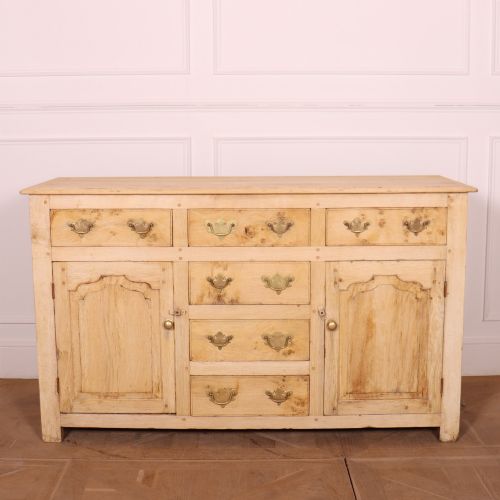
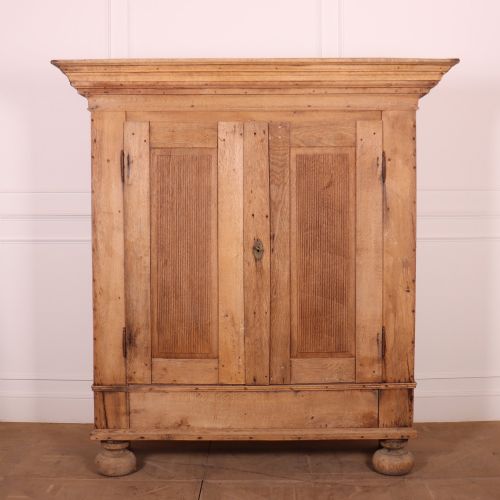
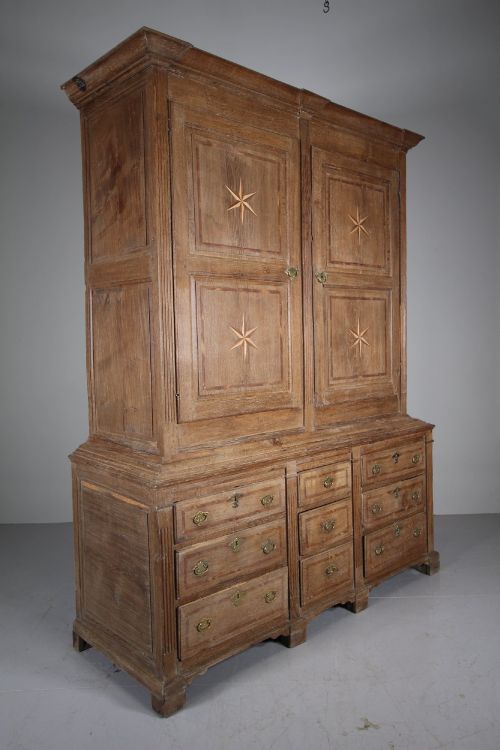

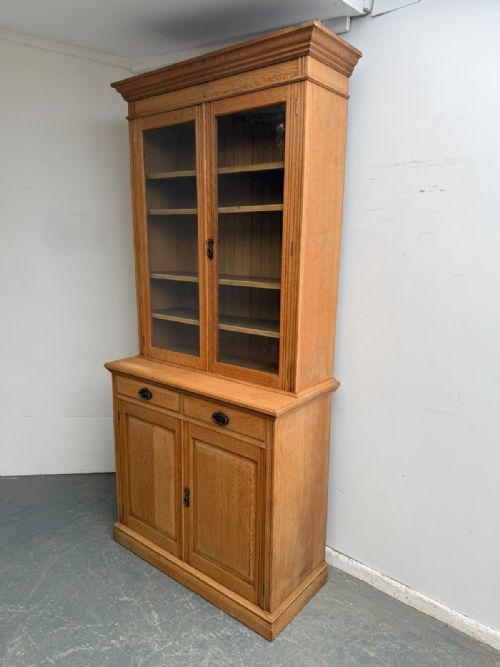


Natural Oak Cabinet
A natural oak cabinet brings honest grain and enduring utility into a room, spanning rustic French fruitwood tones to crisp Arts and Crafts joinery.
Natural Oak Cabinet
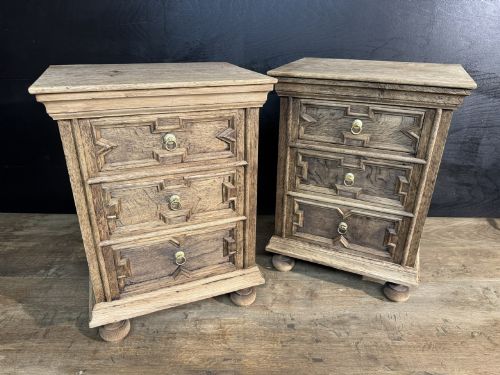
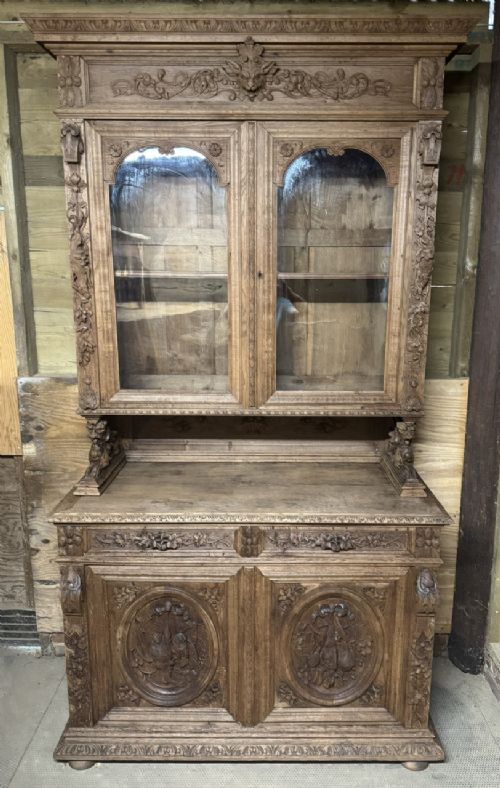
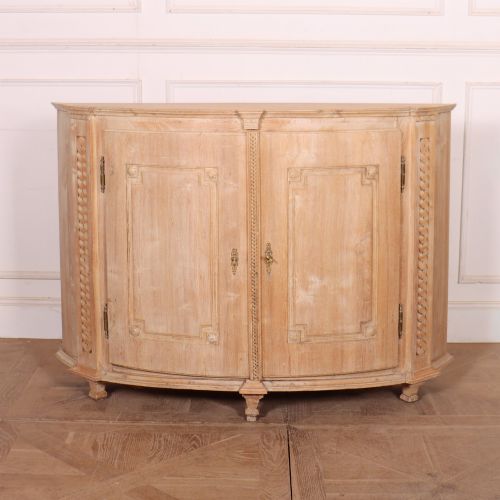
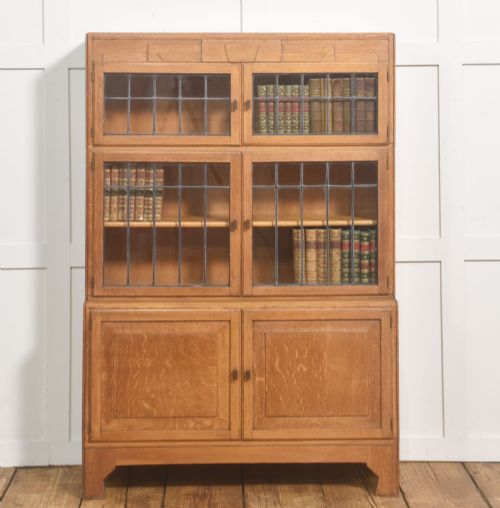
When you search for a natural oak cabinet, you encounter a varied selection of storage furniture ranging from sturdy larder cupboards and bedside tables to glazed bookcases. The pieces appearing here stretch from eighteenth-century provincial armoires to 1930s Cotswold School cupboards, showing how domestic storage evolved across generations.
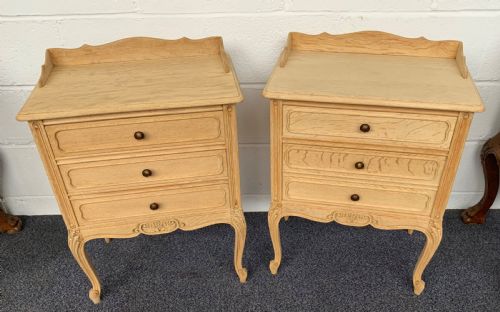
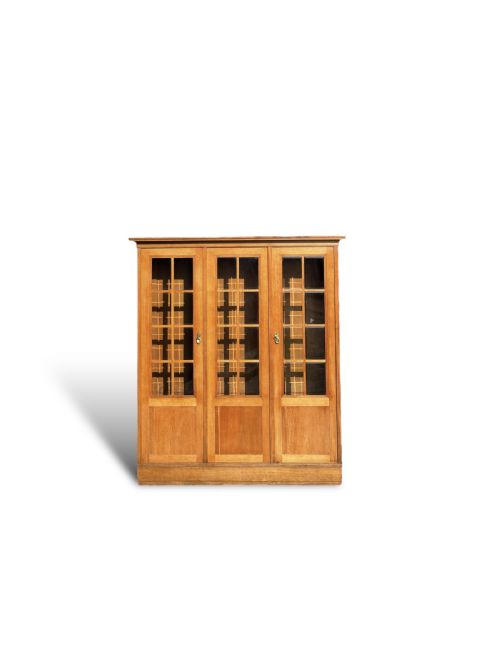
You are most likely to meet twentieth-century interpretations, particularly French bleached oak bedside cabinets and glazed bookcases from the 1920s and 1930s. Alongside these, earlier nineteenth-century examples and rustic kitchen dressers maintain a strong presence, often displaying the warm patina characteristic of untreated timber.
How they were made
The construction relies heavily on solid oak timbers, occasionally supported by ash or secondary woods, joined with traditional methods suited to the period. Iron and brass hardware - such as hinges, handles, and lead cames holding glass panes - provide functional structure and subtle contrast to the wooden surfaces.
Finishes range from waxed treatments that deepen the grain to bleached surfaces that lighten the natural tone of the timber. Craftsmen utilised pegged mortise and tenon joints in earlier regional pieces, while later twentieth-century examples adopted cleaner lines without sacrificing structural integrity.
Natural Oak Cabinet Retail Price Guide 2026
Typical asking prices for natural oak cabinet among the pieces listed under this phrase on Sellingantiques today, from the lower quarter to the upper quarter. They describe what is for sale here now, not the wider market.
The listings span multiple centuries, uniting 18th-century French Normandie larder cupboards with 1930s Cotswold School cupboards and Art Deco leaded glass bookcases.
What varies in quality
Quality reveals itself in the selection of the timber and the precision of the joinery rather than mere decorative embellishment. Superior pieces display well-matched grain patterns across panels and doors, ensuring the wood ages evenly without warping or splitting.
The integrity of the original hardware and the crispness of any carved or moulded details distinguish workshop production from mass fabrication. Regional pieces retain their original patination and uncompromised internal shelving, whereas heavily restored examples often lose their historical character.
The Natural Oak Cabinet Glossary
- Bleached oak
- Timber treated to lighten its natural yellowish or brown hue, creating a pale, neutral finish popular in twentieth-century furniture design. This process softens the visual weight of heavy cupboards.
- Larder cupboard
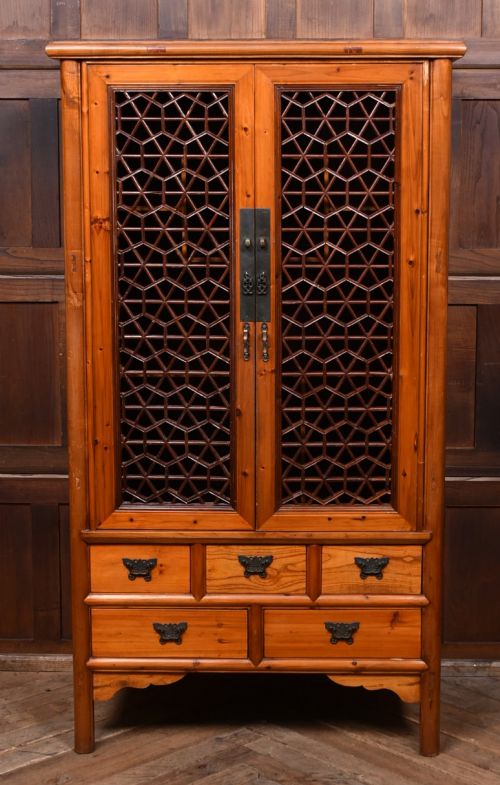
- A tall storage piece traditionally designed for food preservation, featuring panelled or panel-and-mesh doors for ventilation. These units offer deep shelving and substantial capacity.
- Cotswold School
- An influential early twentieth-century design movement focusing on simplified forms, visible construction methods, and respect for traditional woodworking crafts. Pieces from this circle emphasise honest materials.
- Gothic Revival
- A nineteenth-century architectural and decorative style drawing on medieval motifs such as pointed arches, tracery, and heavy iron hinges. Cabinets in this manner possess a distinct medieval character.
- Leaded glass
- Small panes of glass held together by strips of lead, known as cames, commonly utilised in bookcase and cabinet doors during the Arts and Crafts and Art Deco periods.
Natural Oak Cabinet: Frequently Asked Questions
How do I clean a natural oak surface?
Maintain the timber by dusting regularly with a dry cloth and occasionally applying a suitable beeswax to nourish the wood. Avoid modern silicone sprays that can build up and dull the natural grain over time.
Keep these cabinets away from direct heat sources and strong sunlight to prevent the oak from drying out or splitting. Gentle care preserves the historical patina accumulated across decades.
How do I distinguish eighteenth-century oak from later revivals?
Earlier pieces display hand-cut joinery, pegged tenons, and timber surfaces shaped by pit saws or adzes rather than modern machinery. The backboards and interior linings often show uneven board widths and hand-forged iron nails.
Later revivals from the nineteenth and twentieth centuries tend to exhibit standardised internal components and machine-planed timber. Comparing the wear patterns around handles and hinges helps confirm the age of the piece.
What is the difference between an armoire and a larder cupboard?
An armoire is a tall wardrobe traditionally used for hanging or folding garments, typically enclosed by two large doors. They generally offer deep internal spaces without the specialised shelving found in food stores.
Larder cupboards are compartmented specifically for provisions, featuring multiple fixed or adjustable shelves and occasionally ventilated door panels. Their internal layout reflects domestic storage needs before the advent of fitted refrigeration.