



Natural History Specimen Mount
A natural history specimen mount brings preserved creatures and geological curiosities into the domestic interior, offering a studied glimpse of the natural world.
Natural History Specimen Mount
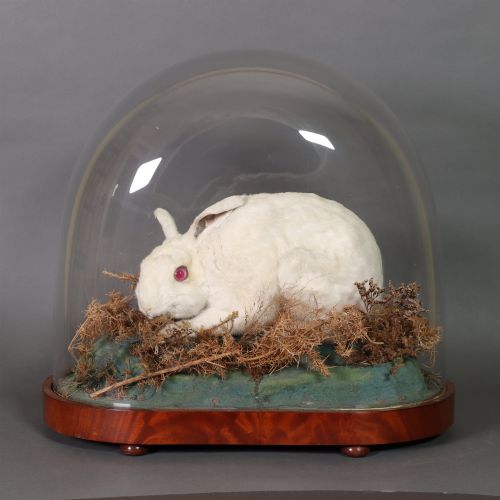
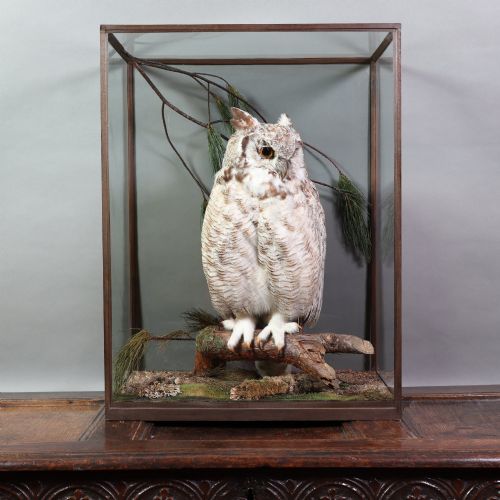
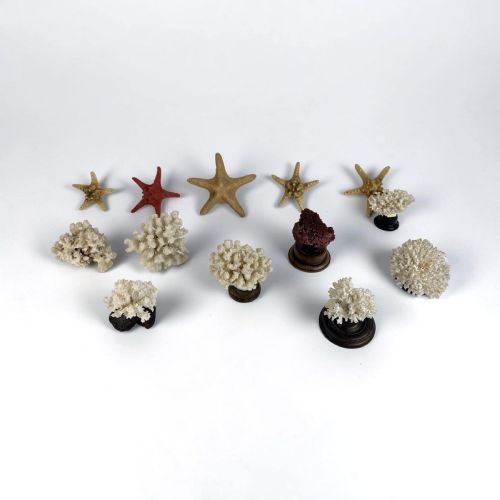
A natural history specimen mount encompasses taxidermy birds and mammals, osteological displays, fossils, shells and aquatic life arranged for scientific study or domestic decoration. These objects capture the Victorian and Edwardian fascination with natural philosophy, exploration and the classification of species.
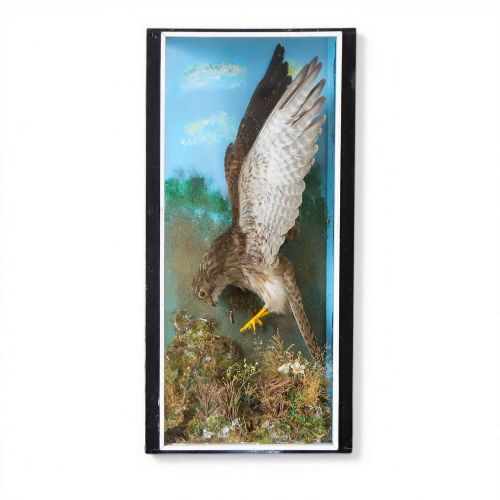
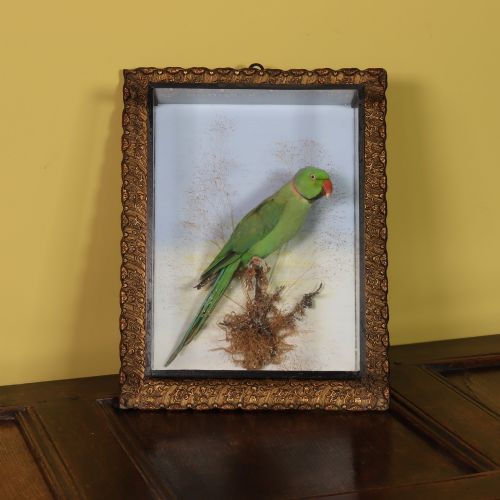
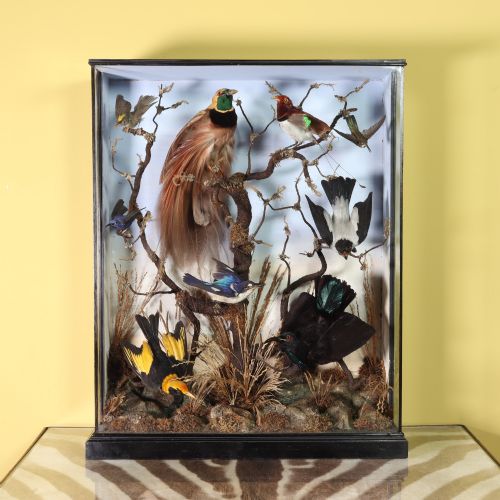
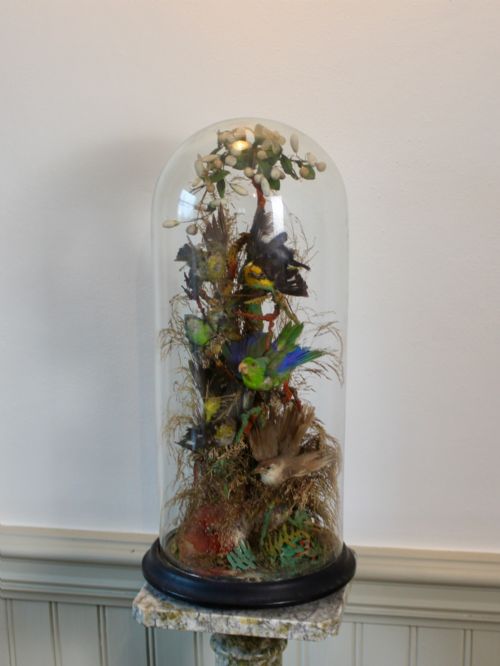
The specimens on this page frequently appear as taxidermy cases, glass domes, wall-mounted trophy heads on carved wooden shields, or individual skeletal and fossil examples. Birds preserved within glazed picture frames or dioramas form a substantial portion of the available decorative forms.
Origins stretch from rural English workshops to celebrated London taxidermy firms, spanning the nineteenth century through the early decades of the twentieth century. Collectors encounter everything from solitary fish in glass cases to exotic birds of paradise and large African antelope trophies.
Materials and Construction
Taxidermy mounts utilise preserved skins and feathers stretched over carved bodies or wire armatures, housed within timber cases and glazed to protect fragile organic materials from dust and pests. Oak, painted pine and glass dominate the construction of the protective housings.
Osteological and geological specimens rely on carved wooden shields, bespoke stands or perspex mounts to support heavy bone, horn, shell and fossil material. Preservation techniques combined arsenic soaps and chemical treatments with meticulous taxidermic modelling to achieve lifelike postures.
Listings feature periods spanning from the nineteenth century through the 1940s, alongside fossil specimens dating back millions of years.
Judging Quality and Execution
Quality rests upon the anatomical accuracy and taxidermic skill demonstrated in the modeling of the specimen, distinguishing lifelike posture from stiff or distorted presentation. Master practitioners captured muscle tension, alertness and natural grace that lesser taxidermists missed.
The sophistication of the housing contributes significantly to the overall merit, with bespoke glazed cases, painted diorama backgrounds and original maker labels elevating the piece. High-tier works display provenance through documented attribution to notable nineteenth and twentieth-century firms.
J Griffiths of Burford·James Gardner·Rowland Ward Ltd·William Bazeley & Sons·Edward Gerrard & Sons·J Cooper & Sons·W.F. Homer·J Dobson
The Natural History Specimen Mount Glossary
- Taxidermy
- The art of preparing, stuffing, and mounting the skins of animals for display. Practitioners utilised preserved pelts combined with artificial forms to recreate living animals.
- Diorama
- A three-dimensional miniature or full-size scene containing figures and landscapes. In natural history displays, these settings incorporated painted backgrounds and artificial foliage mimicking the animal's natural habitat.
- Carapace
- The upper shell of a turtle, tortoise, or crustacean. These bony or chitinous coverings were frequently polished and displayed as decorative objects in nineteenth-century interiors.
- Osteology
- The scientific study of bones. Displays of this nature focus on skeletal remains, skulls, and horns mounted for study and display.
- Domes
- Blown glass covers set upon wooden bases used to protect delicate taxidermy arrangements from dust and handling.
Natural History Specimen Mount: Frequently Asked Questions
Where were these pieces displayed historically?
Victorian and Edwardian households placed taxidermy mounts and curiosity cabinets in studies, libraries, and smoking rooms as conversation pieces.
They reflected the owner's interest in natural history, exploration, and scientific collection during the height of the British Empire.
Can I hang a heavy trophy head?
Heavy trophy heads mounted on carved wooden shields require secure fixings into structural wall studs or appropriate masonry anchors.
The weight of the timber shield and preserved skull demands proper hardware to ensure safety and stability on the wall.
How do I identify a maker?
Makers often placed paper trade labels on the underside of wooden bases, inside the back of glazed cases, or written on the internal framing.
Examining the style of the taxidermy work alongside any surviving documentation helps connect pieces to known nineteenth-century firms.