


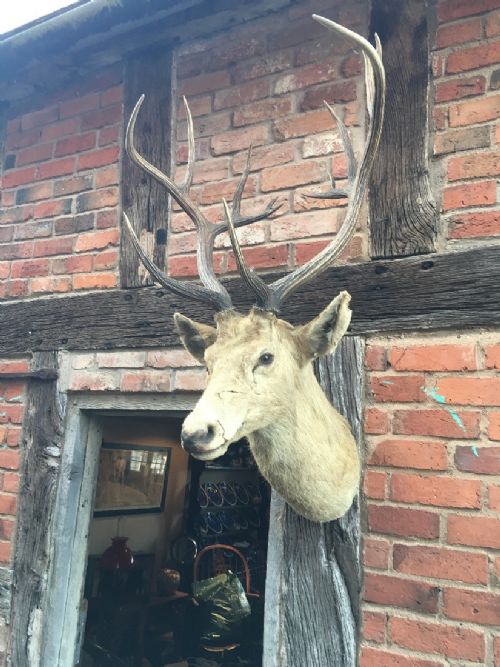
Edwardian Taxidermy Wall Head
Edwardian taxidermy wall head mounts bring the dramatic presence of the British sporting tradition directly into domestic interiors with striking realism.
Edwardian Taxidermy Wall Head
When you search for edwardian taxidermy wall head pieces, you encounter preserved animal specimens mounted for display on vertical surfaces. These objects originate from periods spanning the late nineteenth century through the mid twentieth century, encompassing Victorian, Edwardian, and interwar sporting aesthetics.
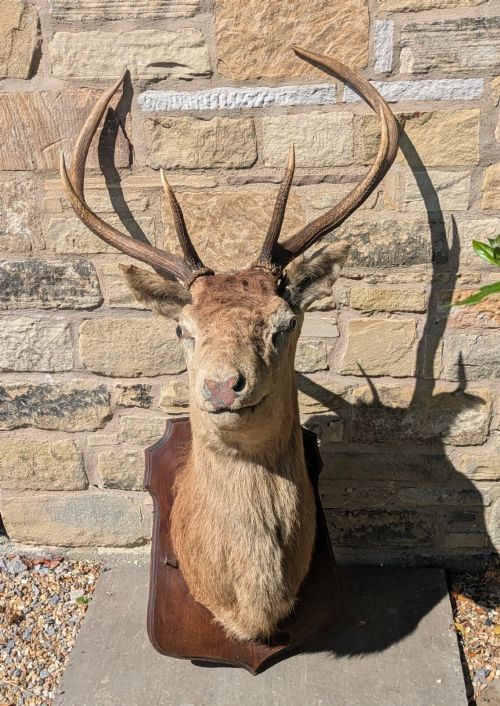
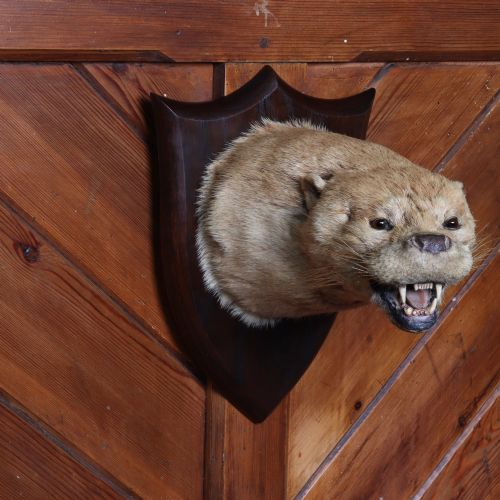
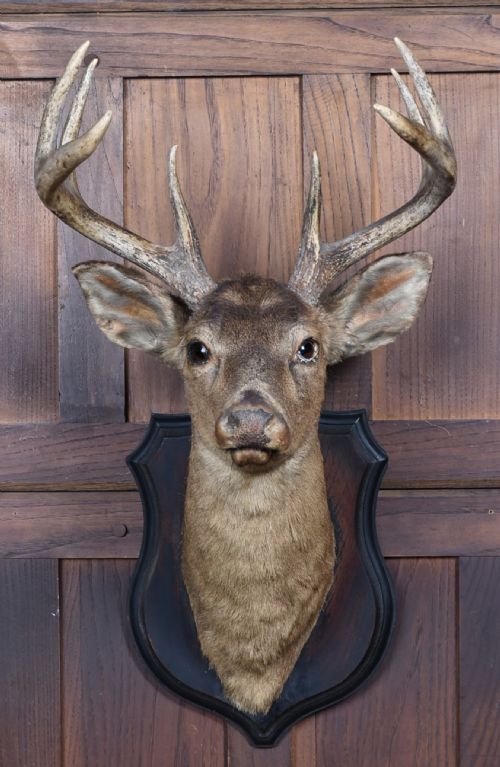
The selections on this page predominantly feature Highland country house and traditional British sporting subjects. Common forms include stags' heads, deer, foxes, and African antelopes mounted on wooden shields.
Originating from country pursuits and estate trophy rooms, these mounts reflect historical hunting practices and natural history display methods. The craftsmanship captures specific animals with glass eyes and natural hides arranged to simulate life.
What varies in quality
Taxidermy quality rests upon the anatomical accuracy and the preservation of the hide over decades. Superior examples maintain the natural contours of the musculature and expression without visible shrinkage or distortion.
The craftsmanship of the supporting wooden shield and the skill in mounting the antlers or horns distinguish standard work from master taxidermy. Well-documented attribution to established taxidermists elevates the standing of individual pieces.
Listings feature oak, glass, and natural hide combined across Victorian, Edwardian, and interwar sporting periods.
Peter Spicer & Sons·Gerrard & Sons London·Edward Gerrard & Sons
The Edwardian Taxidermy Wall Head Glossary
- Taxidermy mount
- The art of preserving and displaying an animal's hide over a sculpted form. This process requires skill to replicate the original live appearance of the creature.
- Shield
- The shaped wooden plaque upon which a taxidermy head is fixed for hanging. Oak and other hardwoods provide structural support for the specimen.
- Antlers
- The bony appendages shed and regrown by members of the deer family. These are mounted securely to the skull plate forming part of the wall head.
- Hide
- The natural skin of the animal treated to prevent decay while retaining hair or fur. Good preservation keeps the coat intact and glossy.
Edwardian Taxidermy Wall Head: Frequently Asked Questions
How do I hang a heavy taxidermy head?
These wall mounts require sturdy fixings screwed directly into masonry or wall studs due to the combined weight of the wood and the specimen. Ensure the hanging bracket on the back of the wooden shield engages securely with the wall anchor.
Position the mount at a height where the glass eyes and antlers can be viewed clearly without obstruction from surrounding furniture.
How do I clean taxidermy fur?
Maintenance involves gentle dusting with a soft brush or using a low-suction vacuum attachment to remove particulate matter from the hair. Avoid using water or chemical cleaners directly on the hide.
Protect the specimens from direct sunlight and damp environments to prevent fading of the natural hide and degradation of the internal materials.
What periods do these wall heads come from?
The pieces span the Victorian, Edwardian, and interwar sporting eras, dating primarily from the late nineteenth century through to the mid twentieth century. Each period reflects changing styles in country house decoration and trophy display.
Earlier examples often originate from traditional British sporting estates, while later pieces capture mid-century preservation techniques.
What animals are commonly represented?
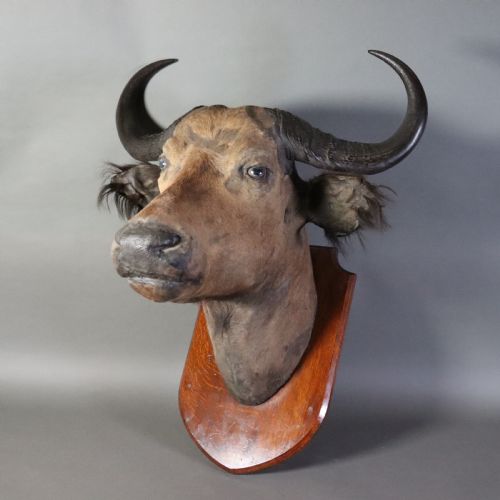
Stags, deer, and foxes dominate the British sporting selections, reflecting traditional hunting and country pursuits. Exotic species such as antelopes and buffalo also appear among the trophies brought back from overseas expeditions.
Each animal form dictates the size and shape of the wooden shield required for wall mounting.