

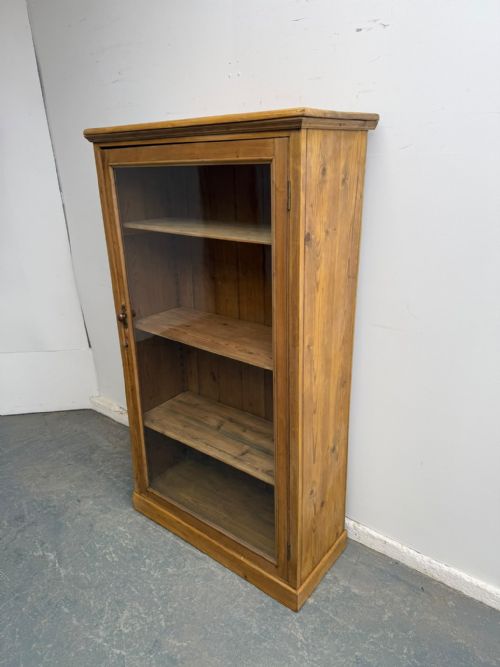
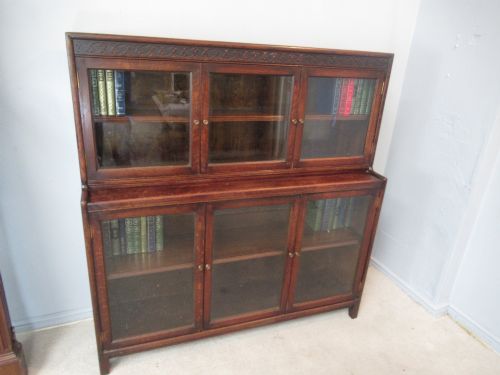
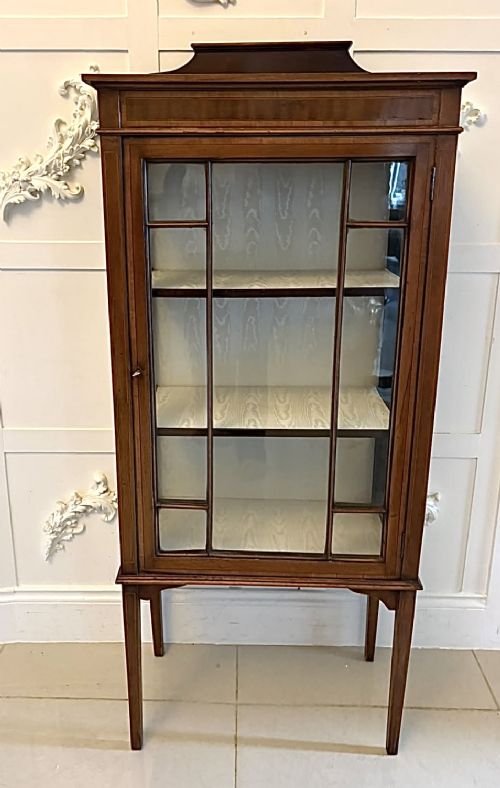
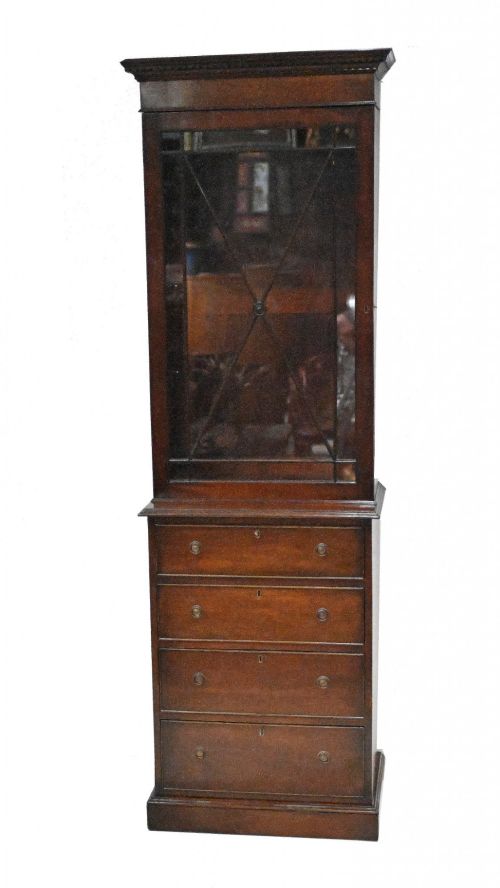
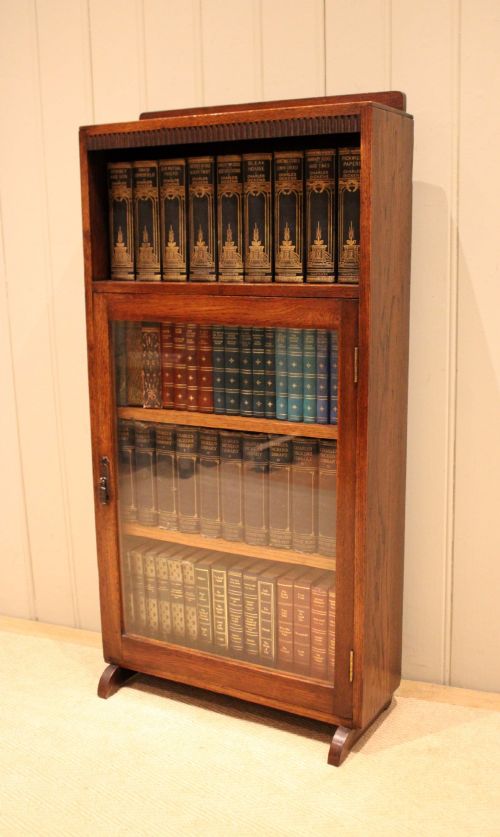
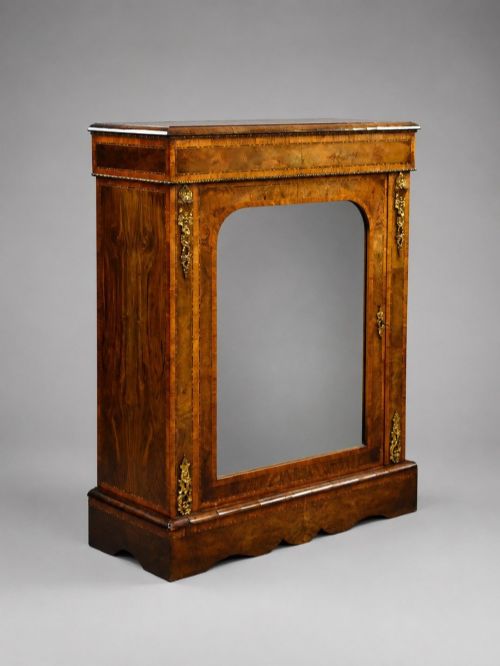
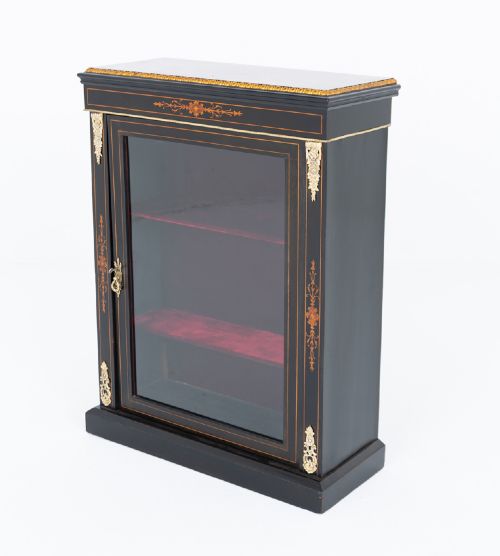


Narrow Glass Bookcase
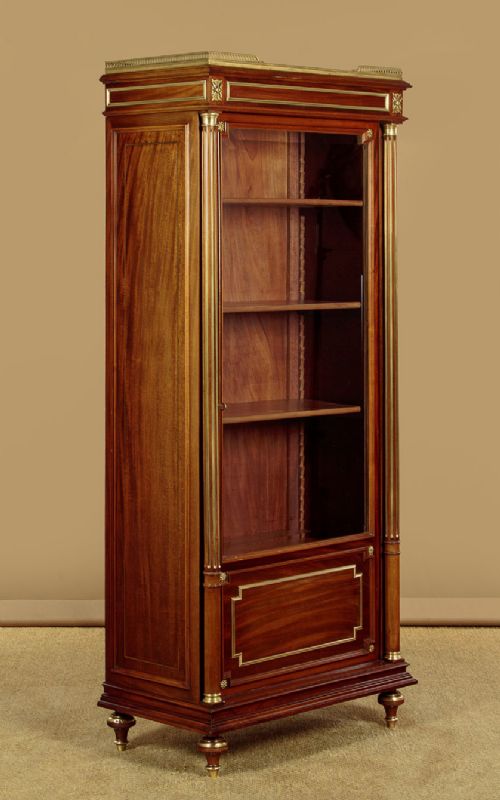
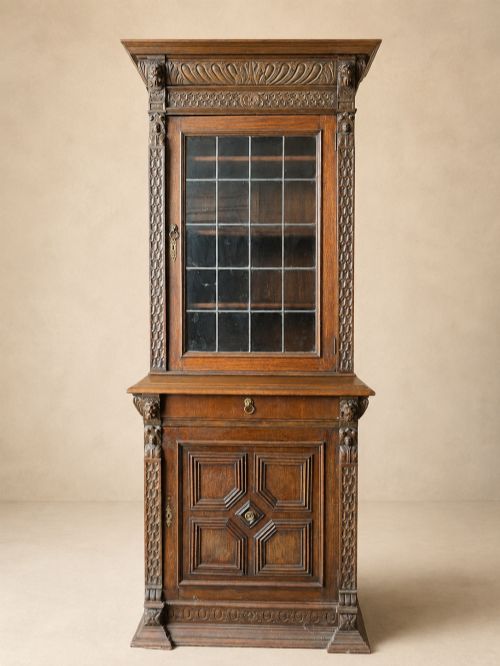
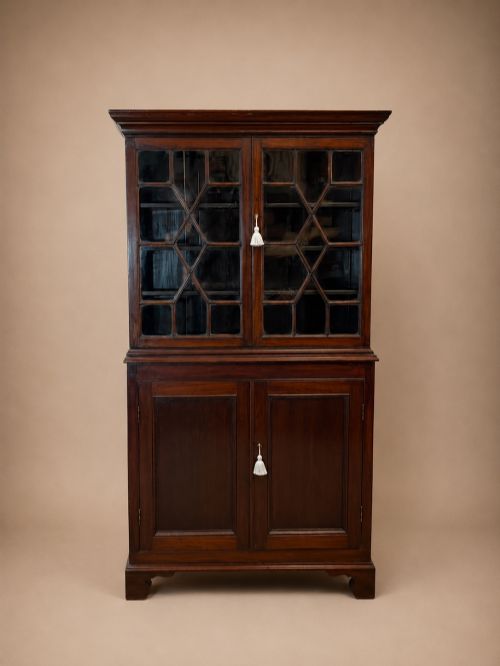
These narrow glass bookcase pieces offer refined display space for compact interiors, combining glazed fronts with rich timber frames.
Narrow Glass Bookcase
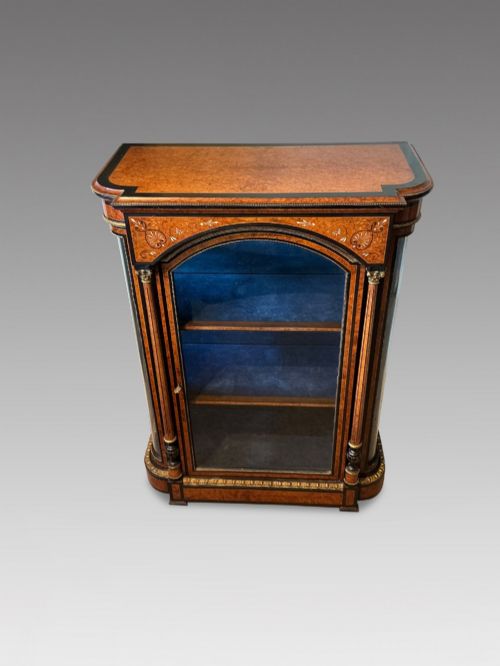
A narrow glass bookcase provides vertical storage and display for books or prized collections in limited spaces. The selections span Victorian, Edwardian, and early twentieth century origins, appearing as slim bookcases, pier cabinets, and tall display cabinets.
Makers utilised rich timbers such as mahogany, walnut, burr walnut, and oak to construct these compact forms. Glazed doors or panels dominate the design, allowing the contents to remain visible while protected from dust.
How they were made
Craftsmen built these cabinets using solid and veneered hardwoods like walnut, mahogany, and oak, frequently incorporating intricate marquetry or inlay. Glazing is fitted into timber frames, sometimes supported by brass or ormolu mounts.
Surface treatments range from ebonised finishes to painted details and polished timber grains. Interior elements occasionally include velvet linings or specialised display shelving suited to ceramics and books.
Narrow Glass Bookcase Retail Price Guide 2026
Typical asking prices for narrow glass bookcase among the pieces listed under this phrase on Sellingantiques today, from the lower quarter to the upper quarter. They describe what is for sale here now, not the wider market.
Listings feature pieces from the Victorian and Edwardian eras, spanning from the 1870s through the 1920s in walnut, mahogany, and oak.
What varies in quality
Quality rests in the selection of timber figures, such as burr walnut, and the precision of inlaid marquetry work. Finer examples display superior timber selection and refined hardware like brass mounts or porcelain plaques.
Construction depth appears in the carving detail, the crispness of ebonised surfaces, and the integrity of the glazed framing. Cabinets featuring balanced proportions and integrated decorative elements distinguish themselves across periods.
Minty
The Narrow Glass Bookcase Glossary
- Pier cabinet
- A low or tall cabinet designed to stand against a narrow pier of wall between windows or doors. These pieces frequently feature glazed doors and decorative mounts.
- Marquetry
- Decorative veneer work arranged in intricate patterns or pictures using various wood types. This technique highlights the decorative ambition of Victorian cabinet makers.
- Ormolu
- Gilded bronze ornamentation applied to furniture surfaces. It serves as a decorative accent on period display cabinets.
- Ebonised
- Timber finished to resemble ebony through a staining and polishing process. This dark finish was popular during the Victorian era for dramatic contrast.
- Burr walnut
- Wood grain featuring swirling, knotty patterns taken from the growth growths of the walnut tree. It provides a highly decorative surface on cabinet doors.
Narrow Glass Bookcase: Frequently Asked Questions
What is a pier cabinet?
A pier cabinet is a narrow display piece originally designed to fit the wall space between windows. They typically feature glazed doors and decorative timber finishes.
These cabinets serve to display ceramics, books, or small collections without dominating a room's floor plan.
How do I date an Edwardian cabinet?
Edwardian cabinets generally date from the early twentieth century and often display lighter mahogany timbers or delicate inlay work. They reflect a transition towards refined, less heavy domestic furniture.
Comparing the timber grain and decorative motifs with documented pieces helps confirm the period.
Are these bookcases suitable for modern rooms?
Their compact proportions make these narrow bookcases practical for smaller contemporary living spaces. They offer vertical storage while keeping books and objects visible behind glass.
Placing them away from direct sunlight preserves the timber finishes and interior linings.
What woods were commonly used?
Cabinet makers relied primarily on walnut, burr walnut, mahogany, and oak for structural frames and decorative surfaces. Ebonised finishes and painted treatments also appear across Victorian and Edwardian examples.
Selection depended on the prevailing style and the intended formality of the furniture.