

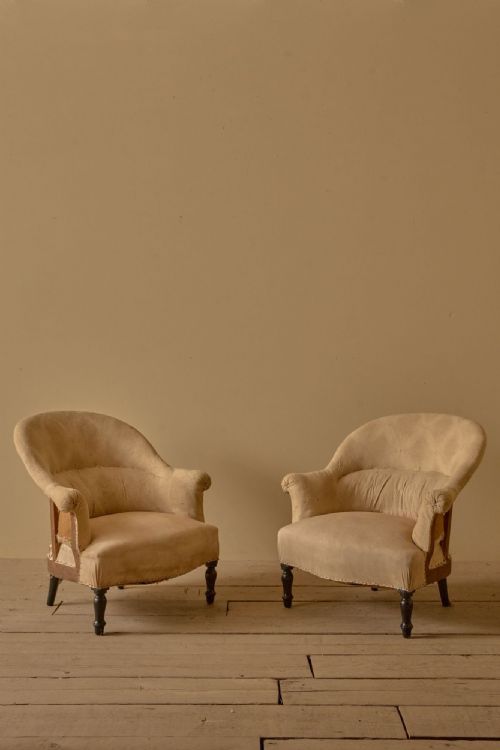
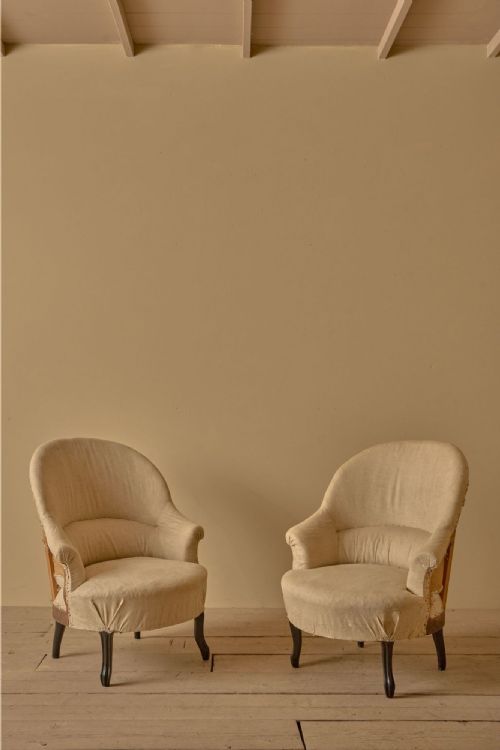

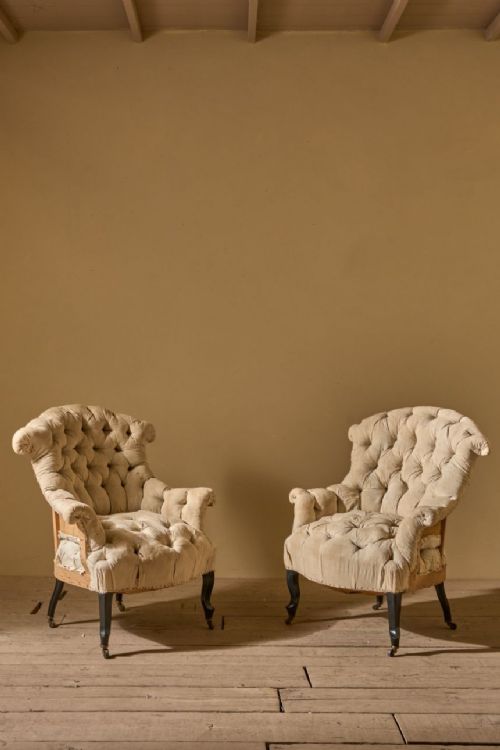
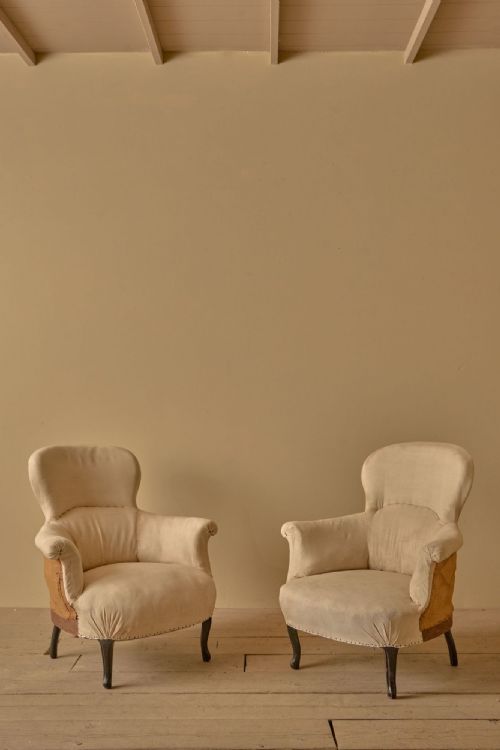
Napoleon III Bedroom Chairs
Napoleon iii bedroom chairs bring French nineteenth-century charm into a modern interior through low profiles, curved backs, and upholstered comfort.
Napoleon III Bedroom Chairs
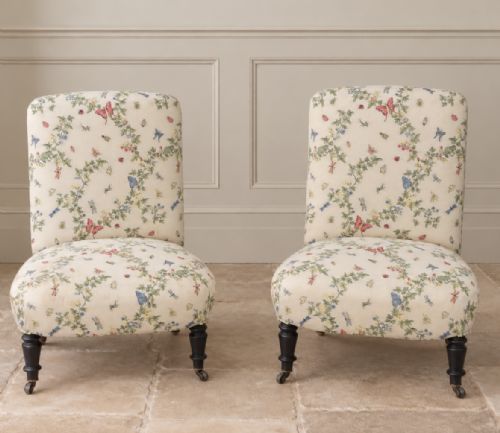
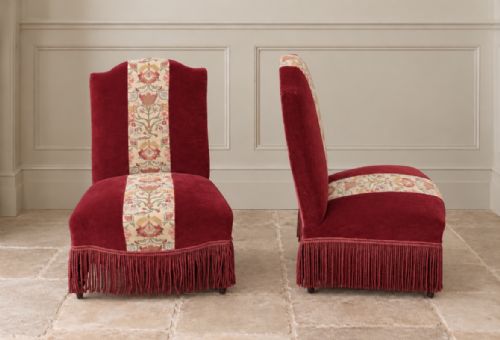
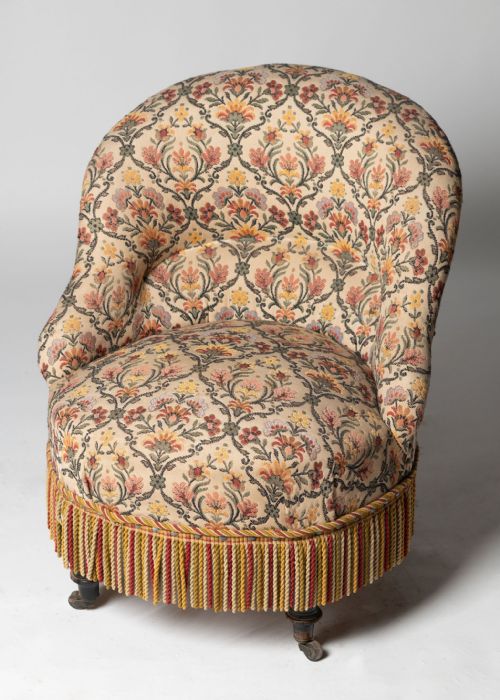
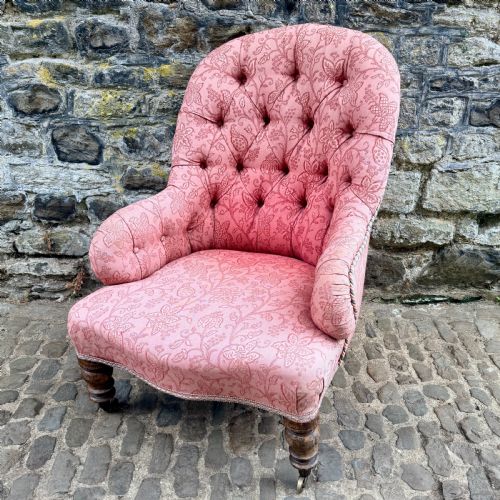
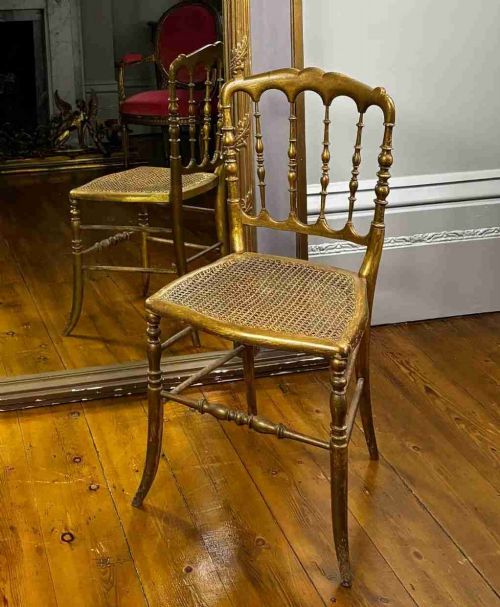
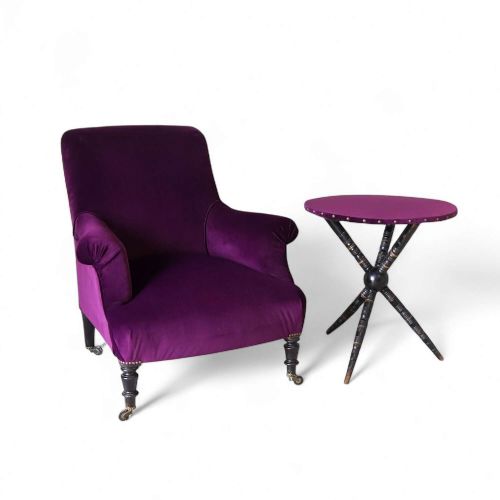
Napoleon iii bedroom chairs encompass nineteenth-century French seating built for private chambers and dressing rooms, appearing in forms such as slipper chairs, tub chairs, and low back armchairs. These pieces reflect the eclectic styles of the period, ranging from French Napoleon III and French Chateau to Aesthetic Movement and Hollywood Regency influences.
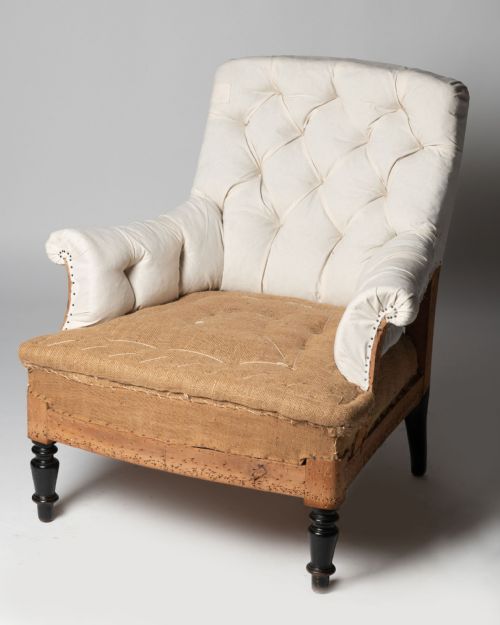
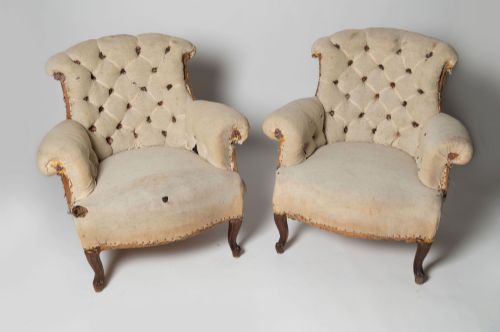
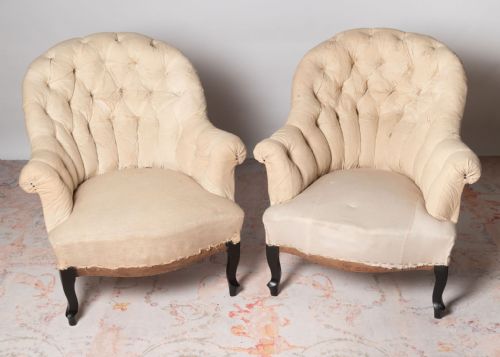
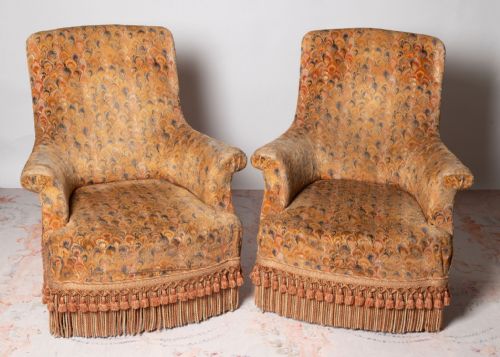
The version most commonly met on this page is the nineteenth-century French slipper chair or low armchair, frequently found stripped for upholstery or upholstered in fabrics like calico, hessian, linen, and velvet. Many survive in pairs, designed with compact proportions suitable for intimate bedroom spaces.
How They Were Made
Makers constructed these chairs primarily using timber and wood, including walnut and beech, shaped into scroll backs, spoon backs, and buttoned configurations. Brass mounts or polished brass elements occasionally appeared alongside simulated and faux bamboo framing.
Traditional upholstery techniques relied on internal webbing, stuffing, and foundational layers of hessian, calico, and linen before the final fabric covering was applied. Giltwood finishes also featured on salon and bedroom seating intended for decorative impact.
Napoleon III Bedroom Chairs Retail Price Guide 2026
Typical asking prices for napoleon iii bedroom chairs among the pieces listed under this phrase on Sellingantiques today, from the lower quarter to the upper quarter. They describe what is for sale here now, not the wider market.
Listings show nineteenth-century French seating constructed from timber, beech, and walnut, upholstered in calico, linen, hessian, and velvet.
What Varies in Quality
The strength and integrity of the underlying wooden frame separate robust seating from weaker examples, particularly where carved details, scroll backs, or simulated bamboo turnings meet stress points. Original joinery and timber selection dictate the longevity of the structure.
Refinement in proportions and the subtlety of the curved silhouette distinguish finer pieces from standard production. The retention of original decorative elements, such as giltwood surfaces or polished brass, influences the character of each chair.
The Napoleon III Bedroom Chairs Glossary
- Slipper chair
- A low-set upholstered chair traditionally used in bedrooms for dressing, featuring short legs and no arms. This form keeps the sitter closer to the floor.
- Tub chair
- An armchair with a rounded, semicircular back that wraps continuously into the arms. It offers enclosed comfort typical of nineteenth-century seating.
- Spoon back
- An upholstered chair back shaped like the bowl of a spoon, curved to fit the human spine. This design provides ergonomic support with padded elegance.
- Giltwood
- Wood that has been coated with a thin layer of gold leaf or gilt paint for a decorative metallic finish. It appears frequently on French salon and bedroom chairs.
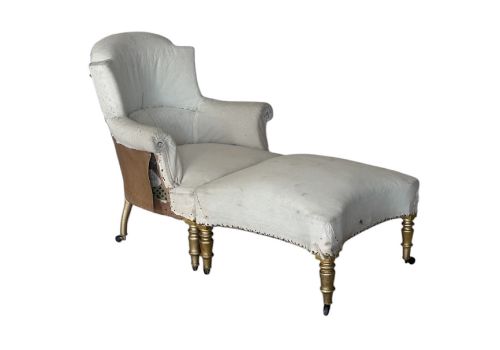
- Duchess brisee
- A two-piece or three-piece chaise longue combination consisting of an armchair and an ottoman or stool. It allows the sitter to recline fully.
Napoleon III Bedroom Chairs: Frequently Asked Questions
What is a Napoleon III bedroom chair?
Napoleon iii bedroom chairs are nineteenth-century French seats designed for private quarters, featuring low profiles and comfortable upholstered frames. They encompass styles like slipper chairs, tub chairs, and spoon back armchairs.
These pieces reflect the design tastes of the French Second Empire and later nineteenth-century revivals. Their compact proportions made them ideal for bedrooms and dressing rooms.
How do I choose the right upholstery fabric?
Selecting upholstery depends on whether the chair is intended for daily use or decorative display in a bedroom. Many pieces arrive ready for custom fabric, allowing you to match your interior scheme.
Traditional foundations like calico, hessian, and linen often prepare the frame for final coverings such as velvet or patterned textiles. Consider the scale of the chair when choosing a fabric weight.
How do I date a 19th-century French chair?
Dating relies on examining the timber construction, frame style, and materials used within the internal upholstery layers. Characteristics such as simulated bamboo turning, scroll backs, and buttoning point to specific mid-to-late nineteenth-century tastes.
Reference points include broader stylistic movements like the Aesthetic Movement and Second Empire designs. Comparing the joinery and wood species helps narrow the period of origin.