

French Seating Pairs
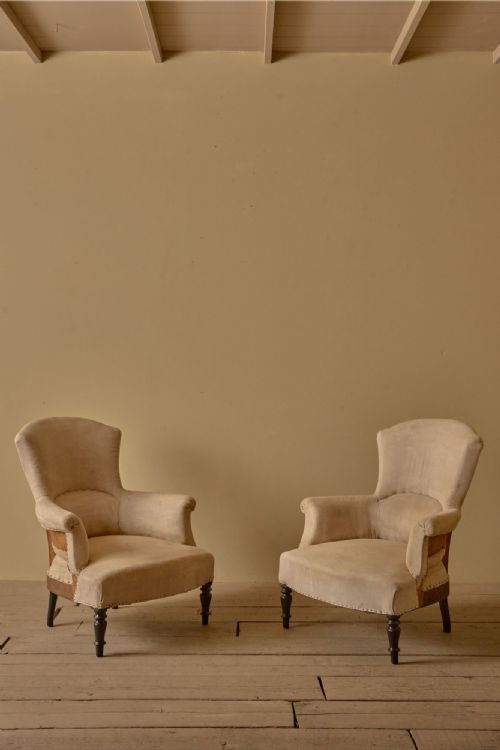
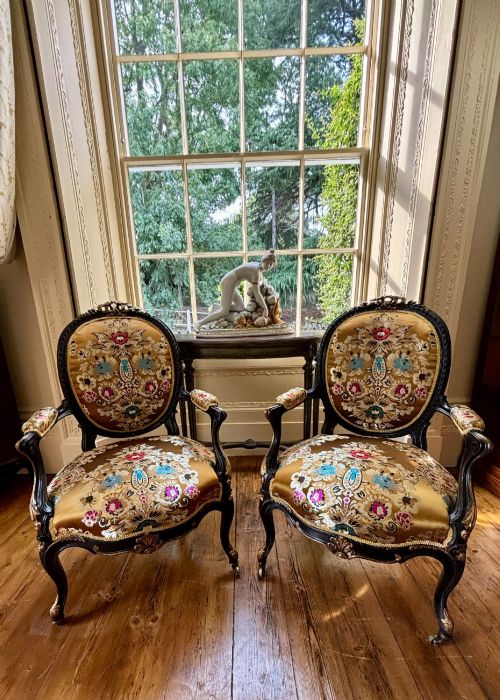
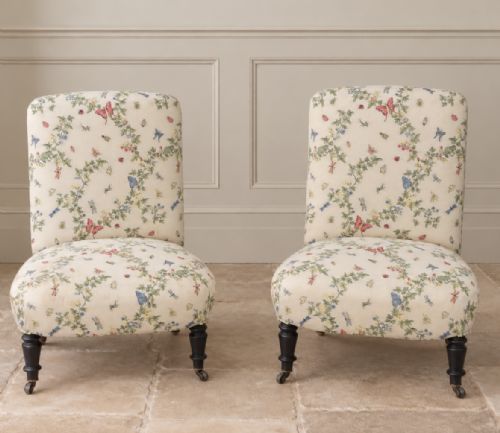
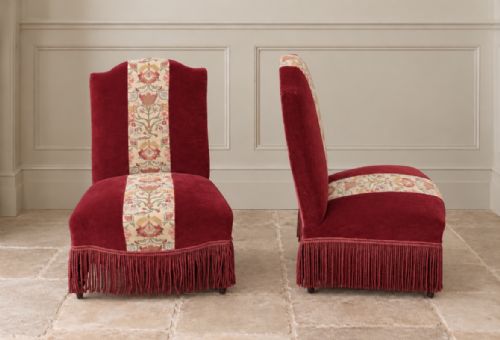
French seating pairs bring balance and symmetry to a room, offering matched historical forms from armchairs to window seats.
French Seating Pairs
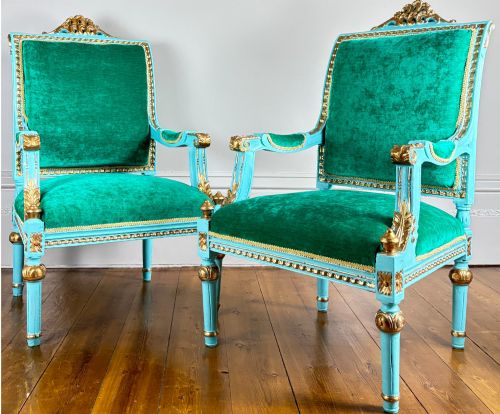
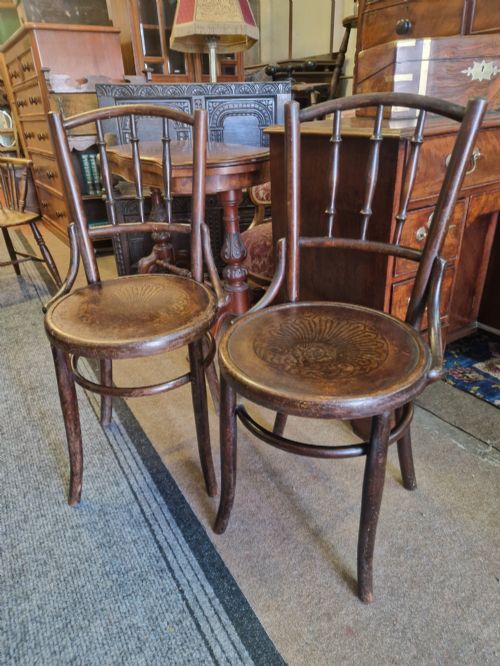
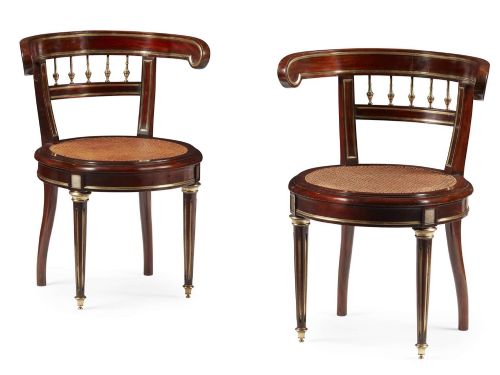
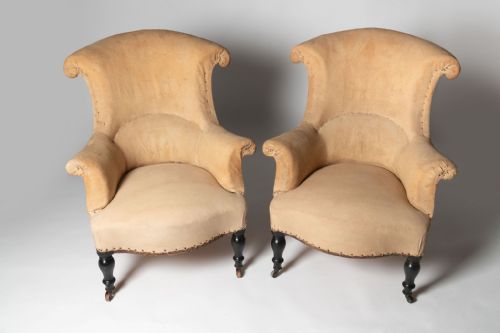
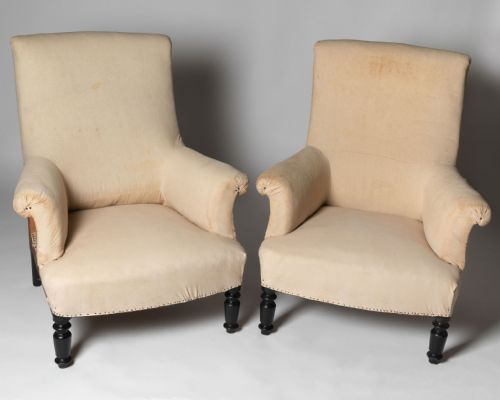
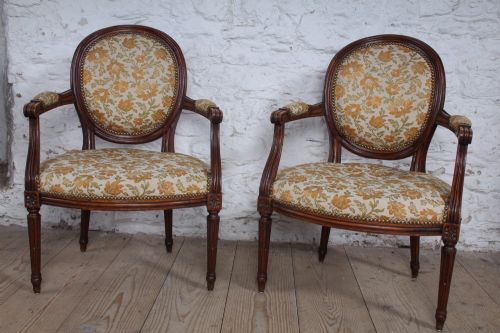
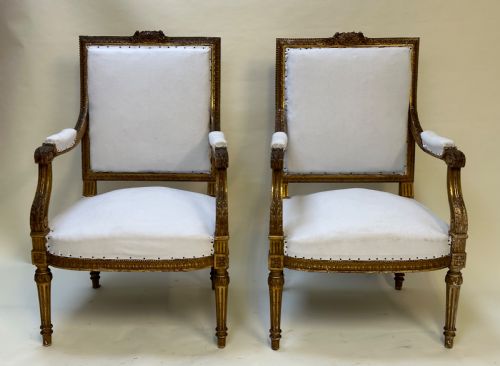
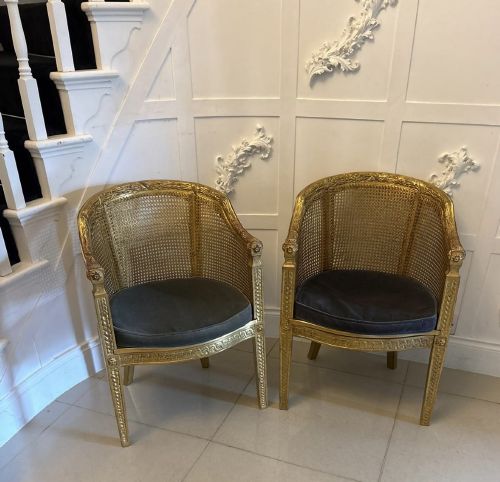
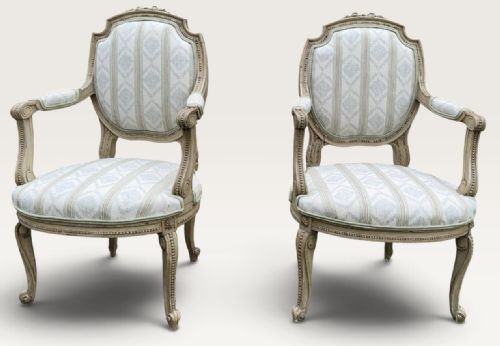
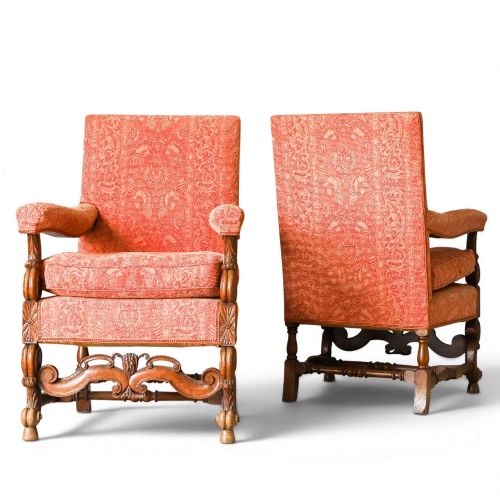
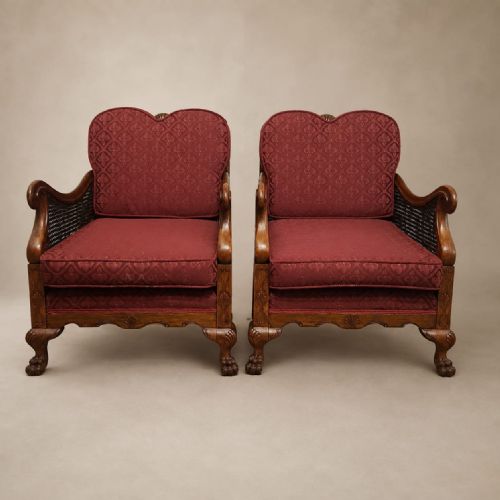
French seating pairs comprise matching sets of chairs, benches, and stools originating from various historical periods, designed to create visual harmony in interior spaces. Buyers seeking french seating pairs encounter forms ranging from ornate 19th century giltwood armchairs to streamlined 1930s leather club chairs.
How They Were Made
Maker's workshops utilised solid timbers such as walnut, mahogany, oak, beech, and giltwood to build sturdy structural frames, often employing hand-carved decorative details. Gilded surfaces, painted finishes, and ebonised treatments were applied to wood frames to achieve specific aesthetic styles.
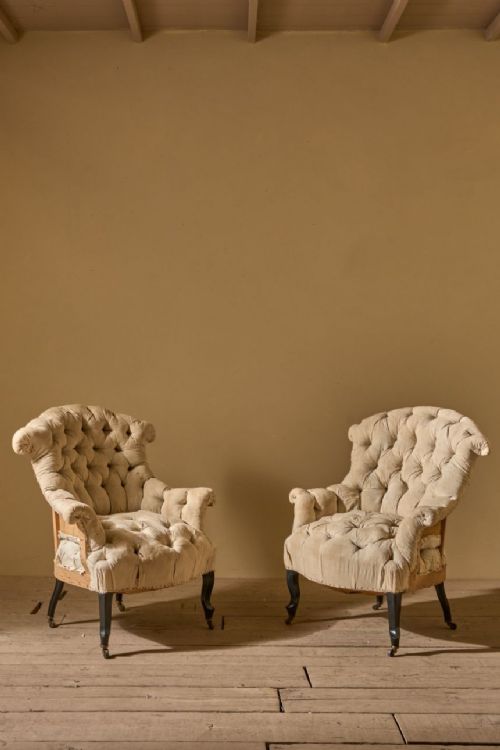
Upholstery techniques combined traditional stuffing methods with coverings of leather, velvet, tapestry, and fabric, sometimes secured with decorative buttoning. Caning also appears on specific open armchairs, woven through wooden frames to create supportive backrests.
French Seating Pairs Retail Price Guide 2026
Typical asking prices for french seating pairs among the pieces listed under this phrase on Sellingantiques today, from the lower quarter to the upper quarter. They describe what is for sale here now, not the wider market.
Listings feature wood, fabric, walnut, brass, giltwood, timber, velvet, and leather across pieces dated from the nineteenth and twentieth centuries.
What Varies in Quality
The degree of hand-carving detail on wooden frames distinguishes standard production from finer examples, with crisply executed foliage and moulding reflecting superior craftsmanship. The choice of primary material, such as solid walnut or gilded giltwood compared to simpler painted timber, marks a difference in workshop tier.
Preservation of original surface finishes, including original paint, parcel gilding, or patinated leather, elevates the standing of a matching pair. The harmony between the two pieces in a set, regarding even wear and matching upholstery textiles, dictates the integrity of the pairing.
The French Seating Pairs Glossary
- Bergere
- An enclosed upholstered armchair with wooden frames, often featuring upholstered sides. These comfortable seats became popular in French domestic interiors during the eighteenth century.
- Fauteuil
- An open-arm armchair with upholstered back and seat, typically featuring exposed wooden armrests. The style reflects formal French seating traditions.
- Giltwood
- Wood that has been coated with a thin layer of gold leaf or gilt powder. This finish is frequently observed on ornate nineteenth-century salon chairs.
- Split cane
- Woven rattan material used for chair backs and seats. It offers a lightweight yet resilient surface panel.
- Napoleon III
- A nineteenth-century revival style known for eclectic ornamentation, deep buttoning, and comfort. Chairs from this period often utilise rich textiles.
French Seating Pairs: Frequently Asked Questions
How do I style a matching pair in one room?
Place matching armchairs opposite a sofa or flank a fireplace to create a balanced focal point. Symmetry anchors the layout of a traditional or eclectic interior.
Matching side chairs work well positioned against opposing walls or used as occasional seating that can be moved together when hosting guests.
What periods do these chairs come from?
The available pieces originate primarily across the nineteenth and early twentieth centuries. Styles span from nineteenth-century revival periods like Louis XVI and Napoleon III to 1930s Art Deco.
Craftsmen during these eras reinterpreted earlier monarchical designs or embraced modern leather club chair forms.
Are leather club chairs comfortable?
Art Deco and 1930s leather club chairs provide deep, relaxed seating designed for lounging. The soft leather upholstery moulds to the sitter over time.
Generous proportions and sturdy wood frames support extended periods of daily use.
How do I identify Louis XVI style?
Louis XVI style is characterised by straight tapered legs, neoclassical geometric motifs, and often oval or rectangular carved backs. The ornate curves of earlier Rococo designs give way to restrained symmetry.
Giltwood and painted finishes frequently highlight these structured wooden frames.