





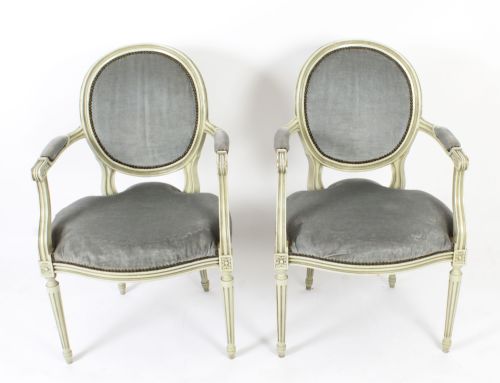


French Velvet Bedroom Chair
These french velvet bedroom chair examples combine period French revival styling with tactile upholstery, bringing classic seating into modern bedrooms.
French Velvet Bedroom Chair
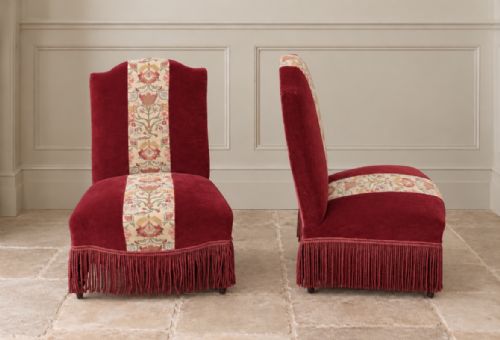
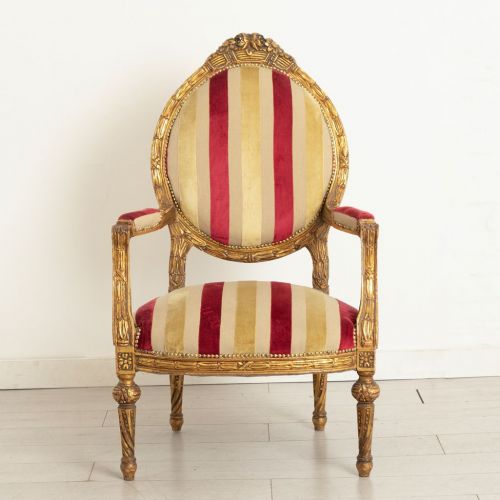
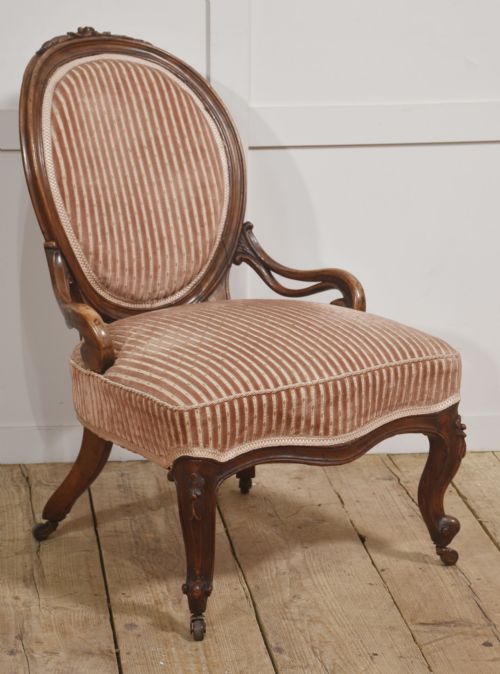
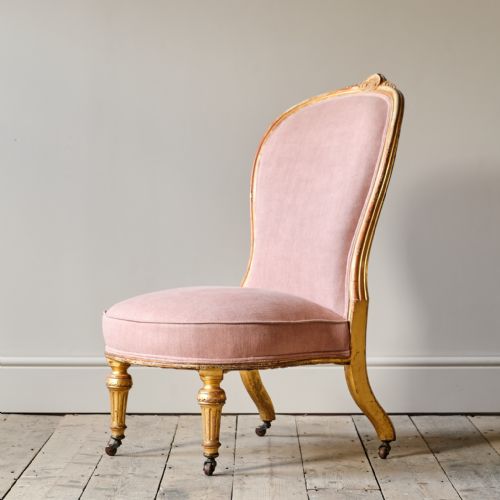
A french velvet bedroom chair brings traditional continental elegance into domestic spaces, drawing on nineteenth-century craftsmanship and revival aesthetics. Buyers searching for a french velvet bedroom chair will encounter diverse forms ranging from low slipper chairs and boudoir seating to substantial Louis XV and XVI style armchairs.
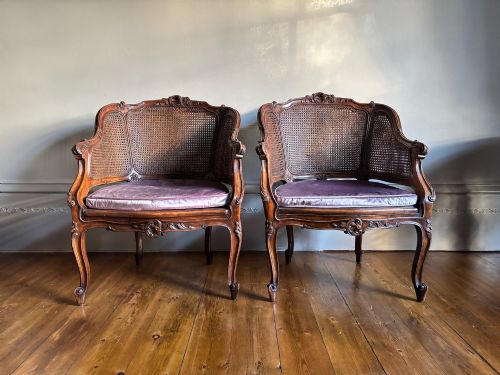
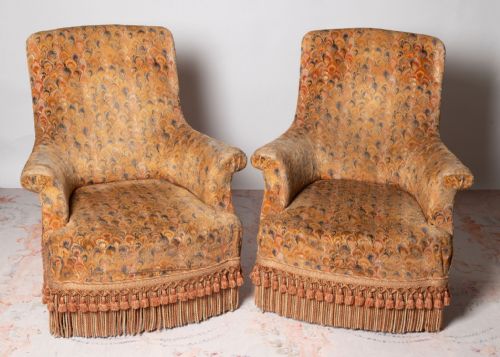
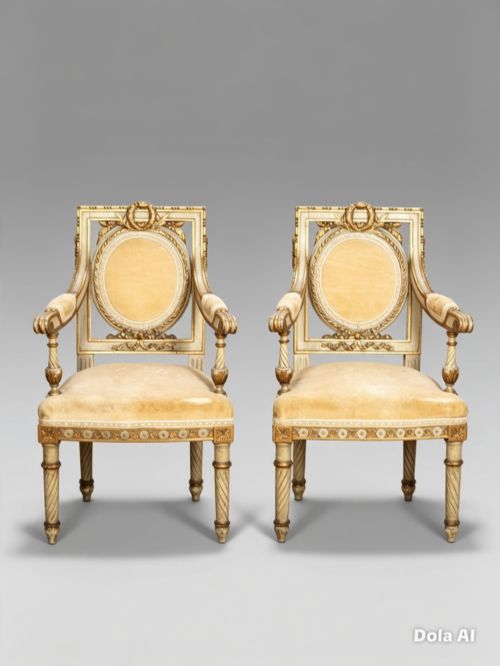
The selection on this page spans several distinct periods, including Victorian, Edwardian, and the late nineteenth century up to the early twentieth century. Common configurations include pairs of salon chairs, open armchairs in walnut or giltwood, and compact occasional seats designed for dressing rooms and bedrooms.
Materials and construction methods
Frames are constructed from traditional hardwoods such as walnut and mahogany, alongside softer timbers that received painted, gilded, or ebonised finishes. Gilding and carved giltwood details define many of the revival pieces, reflecting the ornate preferences of the Napoleon III and Louis periods.
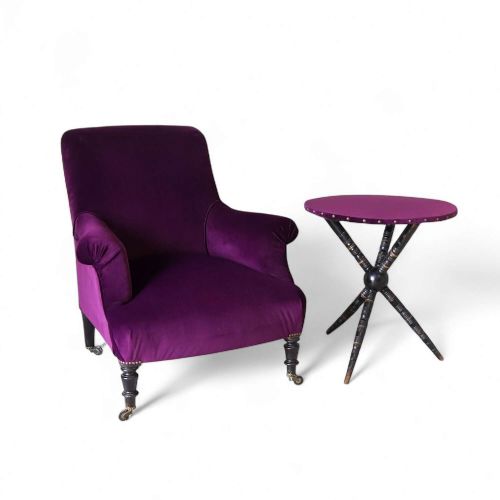
Upholstery relies on plush velvet fabrics, sometimes applied in contemporary designer hues or historical tones to complement the carved wooden structures. Brass accents and detailed frame carving complete the construction of these decorative seating options.
French Velvet Bedroom Chair Retail Price Guide 2026
Typical asking prices for french velvet bedroom chair among the pieces listed under this phrase on Sellingantiques today, from the lower quarter to the upper quarter. They describe what is for sale here now, not the wider market.
Listings feature walnut, mahogany, and giltwood frames paired with velvet upholstery across the nineteenth and early twentieth centuries.
Distinguishing quality in period seating
The standard of wood carving and the crispness of the giltwood or painted finish separate standard examples from finer works. Deep relief carving on walnut frames and balanced proportions indicate higher workshop skill during the manufacturing period.
Frame stability and the integrity of the underlying timber structure dictate the longevity of each chair. Original decorative details, such as preserved gilding or period paintwork, hold greater appeal for collectors than heavily altered surfaces.
The French Velvet Bedroom Chair Glossary
- Fauteuil
- An open-framed armchair with upholstered back and seat, typically featuring exposed wooden arms and carved frame details.
- Bergere
- A closed-arm armchair with upholstered sides and a loose seat cushion, originating in France during the eighteenth century.
- Slipper chair
- A low-seated upholstered chair traditionally used in bedrooms for dressing, lacking arms to accommodate voluminous historical garments.
- Giltwood
- Timber treated with a thin layer of gold leaf or gold paint applied to the carved surfaces of decorative furniture.
- Napoleon III style
- A nineteenth-century French design movement known for eclectic revivals of earlier monarchical styles combined with lavish upholstery and ornamentation.
French Velvet Bedroom Chair: Frequently Asked Questions
How do I clean velvet upholstery?
Velvet requires gentle brush care to maintain the pile direction and prevent crushing over time. Professional cleaning is recommended for antique textiles to preserve the fabric structure.
Avoid using excessive water or harsh chemical detergents on historical fabric surfaces.
Are these chairs suitable for daily use?
Many of these pieces are structurally sound for normal sitting, particularly solid walnut armchairs. However, smaller boudoir and salon chairs are better suited to occasional use in low-traffic areas.
Checking frame stability helps determine the appropriate placement in a modern home.
How do I identify Louis XV revival styles?
Louis XV revival pieces feature characteristic cabriole legs, asymmetrical floral carvings, and sweeping curved frames. These design elements mimic the fluid ornamentation popular during the mid-eighteenth century.
Nineteenth-century interpretations often display heavier timber construction than their eighteenth-century predecessors.
Can I reupholster a period chair?
Reupholstering period frames is a common practice to refresh worn textiles or match modern interior schemes. Traditional webbing and stuffing methods should be maintained where possible to respect the construction.
Selecting appropriate velvet weights ensures the fabric fits the proportions of the original frame.