



Low Upholstered Dressing Chair
A low upholstered dressing chair brings compact seating to bedroom and vanity spaces, offering period charm and practical comfort.
Low Upholstered Dressing Chair
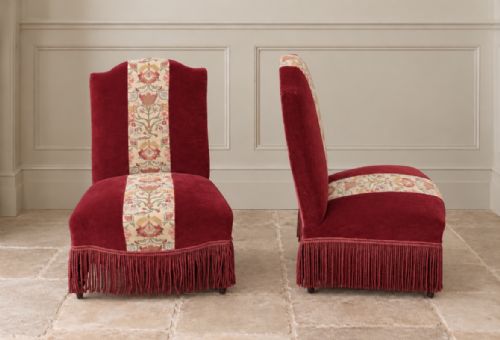
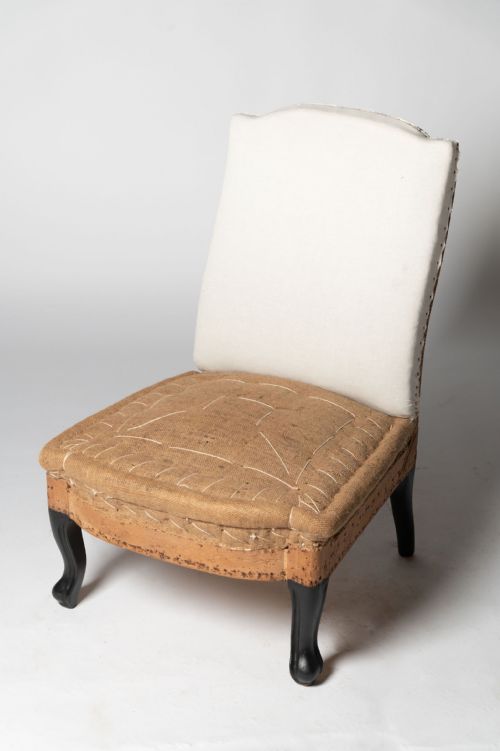
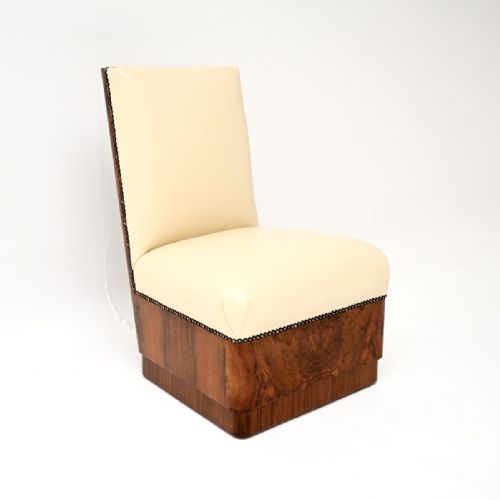
When you search for a low upholstered dressing chair, you are looking at nineteenth-century and early twentieth-century seating designed for personal grooming and bedroom use. The form typically sits close to the floor, often lacking arms to allow full freedom of movement for heavy skirts and elaborate gowns.
The versions most commonly met on this page include Victorian walnut nursing chairs, Edwardian examples, and various styles of dressing table stools and slipper chairs. These pieces span periods from the Regency era through to the Art Deco period, incorporating walnut, mahogany, and rosewood timbers.
How they were made
Maker construction relies heavily on solid hardwoods like walnut, mahogany, and rosewood, shaped into cabriole legs or turned supports. Frames are joined to support heavy upholstery and frequent daily use.
Upholstery techniques involve textiles, velvet, and fabric coverings, often finished with buttoning or needlepoint work. Brass details occasionally appear on castors or decorative mounts.
Low Upholstered Dressing Chair Retail Price Guide 2026
Typical asking prices for low upholstered dressing chair among the pieces listed under this phrase on Sellingantiques today, from the lower quarter to the upper quarter. They describe what is for sale here now, not the wider market.
Listings feature walnut, mahogany, and rosewood frames paired with diverse textiles, spanning the Regency period through to Art Deco.
What varies in quality
Quality in these chairs rests upon the selection and carving of the timber frame, where finely figured walnut or mahogany and well-executed cabriole legs distinguish superior workshop output. The harmony between the woodwork and the upholstery scale determines the overall visual balance of the piece.
The sophistication of the textile work, from hand-worked needlepoint to precise buttoning, separates standard bedroom seating from finer examples. Structural integrity in the joints and original timber patination further elevate the standing of a piece.
The Low Upholstered Dressing Chair Glossary
- Slipper chair
- A low-seated upholstered chair originally designed for bedrooms, dressing rooms, or nurseries. It stands close to the ground to make changing shoes or clothing easier.
- Nursing chair
- A low Victorian chair traditionally built without arms to accommodate the voluminous skirts worn by women during the nineteenth century. These pieces often feature sprung seats and buttoned backs.
- Cabriole leg
- A furniture leg that curves out gracefully and then tapers down to a foot, inspired by the motion of a leaping animal. This form became prominent during the Queen Anne period and returned in later revivals.
- Needlepoint
- A type of canvas work embroidery used for upholstery and decorative panels on antique stools and chairs. It provides a durable and textured surface executed in wool or silk threads.
- Balloon back
- A rounded, oval-shaped chair back resembling the profile of a hot air balloon, popular in mid-nineteenth-century seating. This design supports the sitter's spine while presenting an elegant curved silhouette.
Low Upholstered Dressing Chair: Frequently Asked Questions
What is a low upholstered dressing chair?
A low upholstered dressing chair is a compact seat designed for bedrooms, dressing rooms, and vanities. These pieces sit closer to the ground than standard dining or parlour chairs.
They encompass styles like slipper chairs, nursing chairs, and dressing table stools from the nineteenth and early twentieth centuries. Their design prioritises comfort and convenience for personal grooming.
How were these chairs originally used?
These chairs were used in bedrooms and dressing rooms for tasks such as putting on shoes, doing hair, and dressing. Their low stature and armless profiles accommodated the heavy garments and wide skirts of past eras.
Over time, they also served in nurseries and sitting rooms as accessible, comfortable casual seating.
How do I identify a Victorian nursing chair?
Victorian nursing chairs typically feature a low seat height paired with an absence of arms to allow room for voluminous skirts. They frequently showcase button-tufted upholstery and carved walnut or mahogany frames.
Many examples from this era display balloon backs or cabriole legs characteristic of mid-nineteenth-century design.
How do I fit a dressing chair into a modern home?
A dressing chair works well in contemporary bedrooms as a vanity seat or a decorative accent piece in a corner. Their compact footprint allows them to fit easily into smaller spaces without overwhelming the room.
They also function effectively as occasional seating in living areas or studies when paired with complementary furniture.