


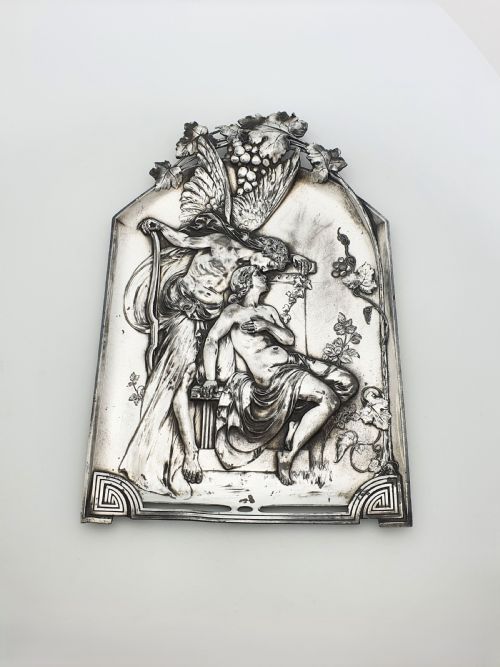


Mythological Wall Hanging
A mythological wall hanging brings classical narrative and grand scale into a room, offering rich visual history through woven textiles and cast metals.
Mythological Wall Hanging
A mythological wall hanging encompasses large woven tapestries and rigid wall plaques that depict classic tales from history and legend. When exploring this selection, buyers encounter monumental Flemish and French woven works alongside metal and carved reliefs.
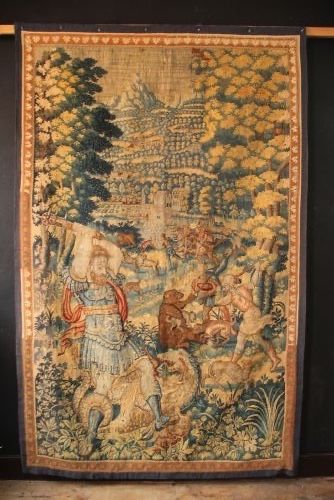
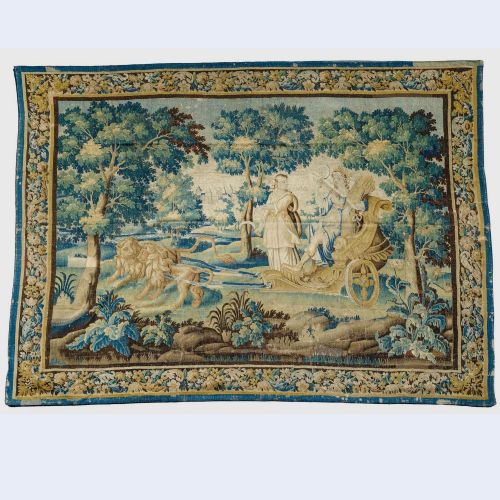
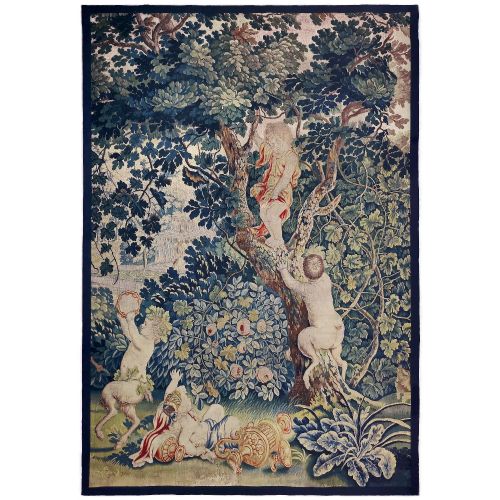
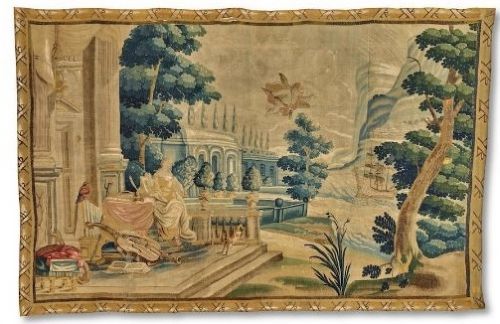
The pieces on this page span several centuries, with seventeenth-century woven panels sitting alongside nineteenth-century metalwork and carved wooden items. Subjects range from classical deities like Diana and Vesta to dramatic scenes of Hercules.
Tapestries form a significant portion of these items, appearing either as grand full-scale compositions or as historic fragments. Alongside textiles, collectors find framed plaques in silver plate, bronzed copper, and ebonised wood.
How they were made
Woven examples rely on intricate combinations of wool and silk threads to build detailed pictorial narratives. Artisans constructed these large textiles by hand, blending dyed fibres to create depth and shadow within the mythological scenes.
Metal items utilise casting and plating techniques, employing copper and silver plate to achieve sharp relief details. Wooden pieces involve careful carving, sometimes paired with ebonised finishes to frame the central subject.
Mythological Wall Hanging Retail Price Guide 2026
Typical asking prices for mythological wall hanging among the pieces listed under this phrase on Sellingantiques today, from the lower quarter to the upper quarter. They describe what is for sale here now, not the wider market.
Even ancient dragons eventually meet their match when Hercules is on the loom.
What varies in quality
Quality rests primarily on the clarity of the narrative and the skill of the execution, whether in the tightness of a textile weave or the sharpness of a metal casting. Finer works display sophisticated rendering of human figures and drapery, reflecting the ability of the original designer.
Condition and completeness alter the character of each piece, distinguishing intact grand-scale compositions from smaller fragments. The sophistication of the framing or mounting further defines the distinction between standard decorative items and significant historical examples.
Carlhian And Corbiere London·WMF
The Mythological Wall Hanging Glossary
- Tapestry
- A heavy hand-woven textile designed for wall hanging, depicting pictorial scenes. These works utilise wool and silk yarns to build complex multi-figure compositions.
- Wall Plaque
- A rigid decorative panel intended for mounting on a vertical surface. They are typically cast in metals such as copper or silver plate, or carved from wood.
- Flemish
- Pertaining to the historic region of Flanders, renowned for its master weavers. Flemish works from the sixteenth and seventeenth centuries are celebrated for their dense narrative detail.
- Aubusson
- A style of tapestry originating from the French town of Aubusson. These pieces often reflect classical French painting traditions and sophisticated border designs.
- Relief
- A sculptural technique where figures project from a flat background. Bronzed copper and carved panels utilise this method to create a three-dimensional pictorial effect.
Mythological Wall Hanging: Frequently Asked Questions
What is a mythological wall hanging?
A mythological wall hanging is a decorative textile or rigid plaque depicting classic legends, heroic tales, or ancient deities. These works serve as prominent interior focal points.
They bring historical narrative and texture to a space through woven wool, silk, cast metal, or carved wood.
Where were these pieces made?
The pieces originate from various European centres, with notable textile traditions rooted in Flanders and France. Other items reflect nineteenth-century metalworking and manufacturing methods.
Each region contributed distinct materials and stylistic approaches to depicting classical themes.
How do I hang a heavy tapestry?
Hanging a heavy textile requires distributing the weight evenly across a sturdy wooden batten or specialised rod. Sewing a support sleeve to the reverse prevents undue strain on the historic fibres.
Metal plaques utilise integrated brackets or secure wall fixings suited to their specific weight and composition.
How do I care for antique textiles?
Antique textiles require protection from direct sunlight to prevent fading of the delicate wool and silk threads. Gentle periodic dusting with a soft brush helps maintain the surface without causing friction damage.
Avoiding excessive humidity ensures the natural fibres remain stable over time.