




Muted Green Pastoral Painting
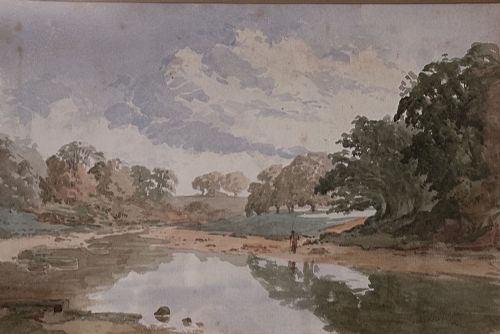
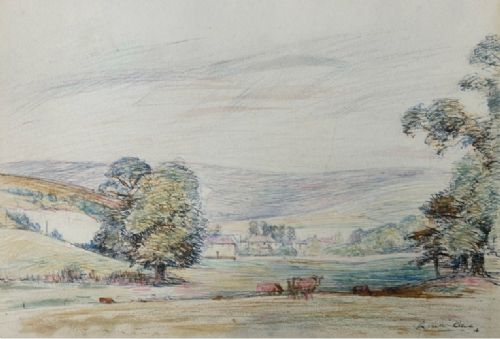
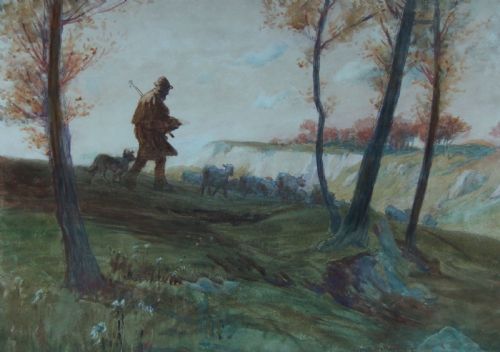
A muted green pastoral painting captures the quiet, verdant charm of the British countryside, offering buyers a serene window into rural life.
Muted Green Pastoral Painting
When you search for a muted green pastoral painting, you encounter works that focus on rural scenery, riverbanks, and agricultural life executed in subdued tones. The pieces available span from the Victorian era through the early twentieth century, capturing countryside scenes with cows, streams, and cottages.
Most examples you meet on this page are watercolours or oil paintings on canvas or paper. Artists of these periods employed soft greens and earthy palettes to convey the tranquility of fenland, river valleys, and farm meadows.
The subjects typically feature figures engaged in quiet rural pursuits, such as children fishing, boating, or tending farm animals. These original artworks reflect the prevailing pastoral realism and British impressionist movements of their respective decades.
How they were made
Painters applied watercolour pigments or oil paint onto prepared canvas, paper, or panels to achieve these rural compositions. Watercolour paintings often utilise fluid washes of pigment to capture the damp atmosphere of British riverbanks and fenlands.
Oil paintings on canvas allow for heavier layering of paint, giving texture to foliage, fields, and pastoral skies. Artists balanced their greens with muted earth tones to create a cohesive, naturalistic depiction of the countryside.
Listings span from the Victorian period through the nineteen-sixties, predominantly featuring oil on canvas and watercolour on paper.
What varies in quality
The distinction between works rests on the artist's handling of light, atmosphere, and composition within the rural landscape. Stronger pieces demonstrate a confident command of watercolour pigment or oil paint to evoke the specific dampness and verdant depth of a field or river.
Condition also plays a part, as works executed on paper require careful preservation to maintain the integrity of the pigments. The subtlety of the green palette and the naturalism of the figures distinguish the more accomplished works from simpler sketches.
Russell Sidney Reeves·Ernest Higgins Rigg·Thomas Hunn·Henry Charles Fox·Thomas James Lloyd·Henry Sykes·Thomas Mackay·George Faulkner Wetherbee·William Greaves·Henry John Sylvester Stannard·William Stephen Coleman·Kershaw Schofield·John Pedder·Angus Rands·John D Walker·John Joseph Cotman·Alfred Leyman
The Muted Green Pastoral Painting Glossary
- Watercolour pigment
- A colourant ground with a water-soluble binder, used extensively on paper to create fluid landscapes. It allows for transparent washes that capture light effectively.
- Oil on canvas
- Pigment mixed with drying oils, applied to a stretched woven fabric support. This medium permits rich colour depth and textured brushwork.
- Pastoral realism
- An artistic approach dedicated to depicting rural life and agricultural scenes with fidelity to nature. It avoids idealisation in favour of authentic countryside conditions.
- British Impressionism
- A movement focusing on light, everyday subjects, and loose brushwork adapted by British artists. These works often record plein-air observations of local fields and rivers.
Muted Green Pastoral Painting: Frequently Asked Questions
What subjects appear in these pastoral paintings?
The compositions generally depict cows in fields, riverbanks, farm ponds, and rural cottages. Figures such as children fishing, boating, or walking over bridges frequently inhabit the landscape.
Artists drew inspiration from specific locations across Britain, recording fenlands, Yorkshire scenes, and Thameside villages in subdued tones.
Which materials did artists use?
The works utilise watercolour paint on paper and oil paint on canvas. Some pieces incorporate pastel alongside watercolour to render texture in the landscape.
Supports range from traditional stretched canvas to paper sheets, reflecting the portable nature of plein-air painting during the nineteenth and early twentieth centuries.
How do I date a pastoral painting?
Dating relies on stylistic clues, framing materials, and artist signatures documented in the historical record. Victorian works often show a preference for detailed narrative realism, while early twentieth-century pieces lean towards impressionistic brushwork.
Signatures and inscriptions on the reverse of the canvas or paper frequently provide specific years and locations.
Where should I hang these artworks?
These paintings suit spaces that benefit from calm, natural imagery, such as studies, living rooms, or hallways. Their muted green palettes harmonise with traditional interior decor and wooden furnishings.
Keep them away from direct sunlight to protect watercolours and oil paints from fading over time.