




Muted Blue Landscape Picture
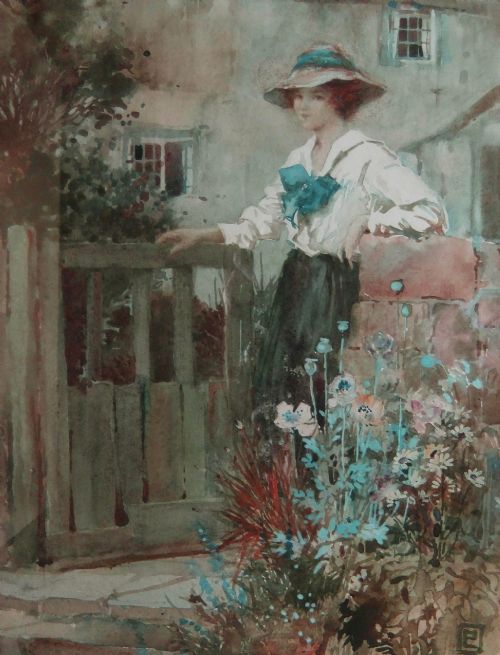
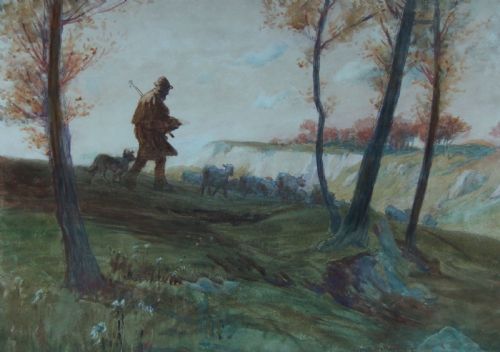
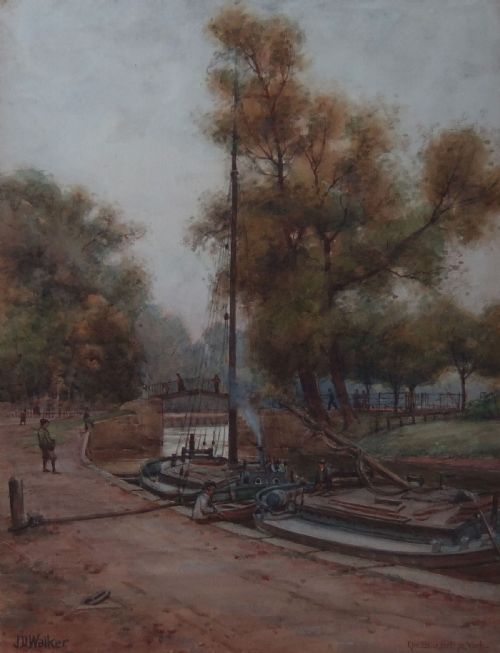
These muted blue landscape picture works capture tranquil pastoral scenes and coastal views using subtle palettes across the nineteenth and twentieth centuries.
Muted Blue Landscape Picture
A muted blue landscape picture typically presents as a framed watercolour, oil, or pastel painting capturing British and European rural, coastal, or architectural vistas. When searching for a muted blue landscape picture, you encounter works spanning the Victorian era through the mid twentieth century, featuring soft atmospheric tones and naturalistic lighting.
The prevailing examples on this page are nineteenth century and early twentieth century watercolours and oil paintings created by British and regional artists. These pieces often depict harbours, rivers, and cottages rendered in restrained palettes where muted blues dominate the skies and waters.
Materials and construction
Artists painted these landscapes using watercolour pigment and oil paint applied to paper, canvas, and wooden supports. The foundational materials dictated the delicate washes or heavier impasto strokes characteristic of the period.
Framing utilised traditional wood and glass combinations to protect the paper works and canvas surfaces from environmental moisture and light degradation.
Several coastal scenes specifically capture the quiet drama of low tide near Norfolk and Yorkshire.
Assessing quality and execution
Quality rests in the dexterity of the brushwork and the artist's ability to capture atmospheric depth using restricted blue tones. Stronger examples demonstrate confident handling of light and shadow, particularly in water and sky rendering.
Provenance and documentation also distinguish works, with signed pieces or identified locations carrying distinct contextual value over anonymous compositions.
Percy Lancaster·Gyrth Russell·Arthur Reginald Smith·Sir Thomas Newenham Dean·James Watson·Frederick William Hattersley·Charles Harmony Harrison·Kate E Booth·A Winter Shaw·Hirst Walker·Fred Stead·George Faulkner Wetherbee·Carleton Grant·John D Walker·Theresa Sylvester Stannard·Thomas Mackay
The Muted Blue Landscape Picture Glossary
- Watercolour
- A painting method in which the paints are made of pigments suspended in a water-based solution. This medium allows for translucent washes that suit atmospheric skies and water.
- Pastel
- An art medium in the form of a stick, consisting of powdered pigment and a binder. Pastels produce velvety surfaces with soft colour transitions.
- Impressionism
- A style of painting that emphasises accurate depiction of light in its changing qualities. Artists often used visible brushstrokes to convey the immediate visual impression.
- Monogram
- A motif made by overlapping or combining letters to form a logo or identifier. Painters occasionally used these initials instead of full signatures on period works.
Muted Blue Landscape Picture: Frequently Asked Questions
How do I hang a watercolour?
Hang watercolours away from direct sunlight to prevent the pigments and paper from fading over time. Maintaining stable indoor humidity levels also protects the paper and wooden framing.
Ensure the picture uses conservation grade backing and glass to provide a protective barrier against atmospheric pollutants and moisture.
How are periods identified?
Dating relies on stylistic markers, artist active dates, and physical evidence such as framing materials and paper types. Signatures and monograms often provide direct links to specific decades.
Comparative analysis with documented works by the same regional school helps narrow the production timeframe.
What subjects do these show?
These works predominantly depict British coastal harbours, rivers, rural cottages, and pastoral fields. The scenes reflect Victorian and early twentieth century observations of daily life and topography.
Compositions frequently highlight quiet waters, low tides, and atmospheric weather conditions.
Are pastels fragile?
Pastel paintings consist of dry pigment particles resting on a surface without heavy binders, making them susceptible to disruption from physical impact. They require secure framing beneath glass with adequate spacing to prevent the pigment from touching the glazing.
Keep pastels flat if unmounted and avoid moving them frequently to preserve the powdered surface.