






Multicolour Wool Wall Hanging
A multicolour wool wall hanging brings rich texture and ancient nomadic patterns directly into a modern room.
Multicolour Wool Wall Hanging
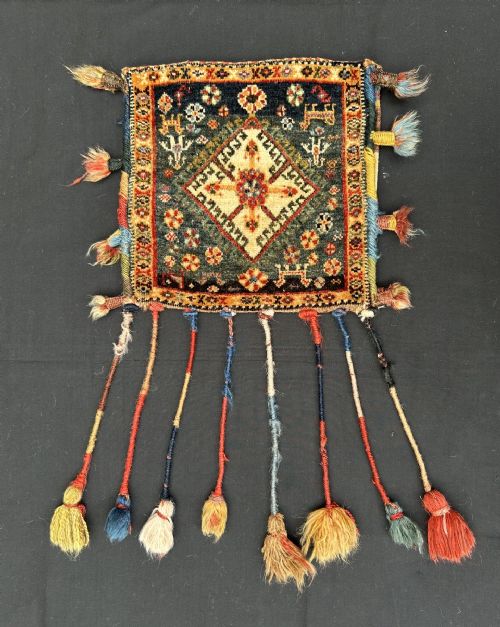
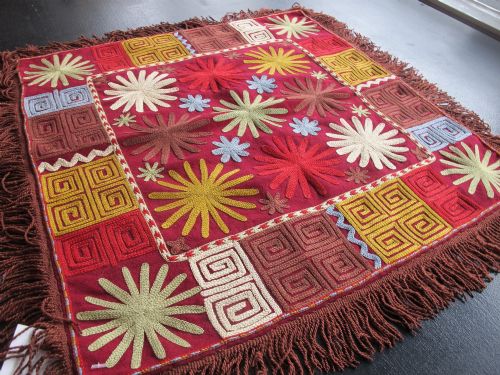
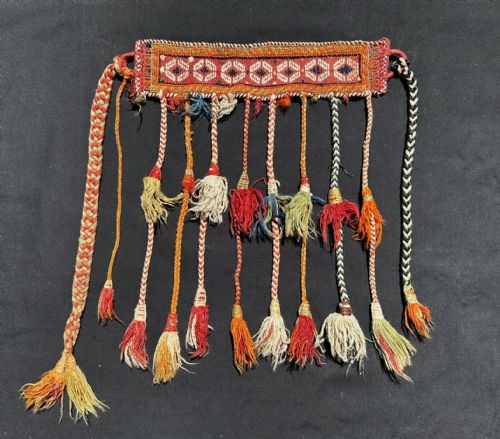
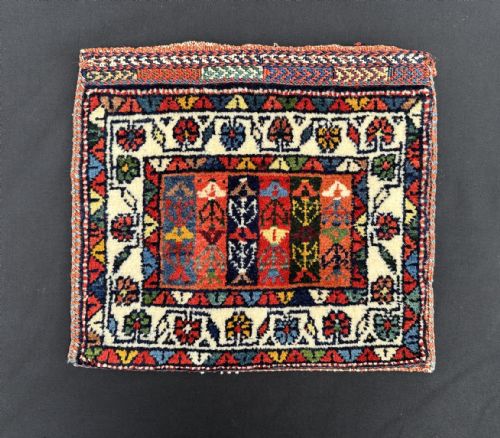
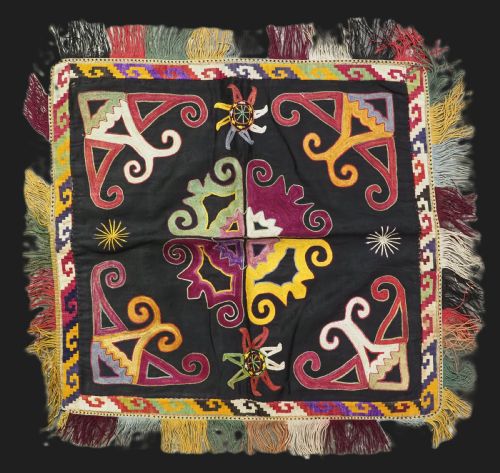
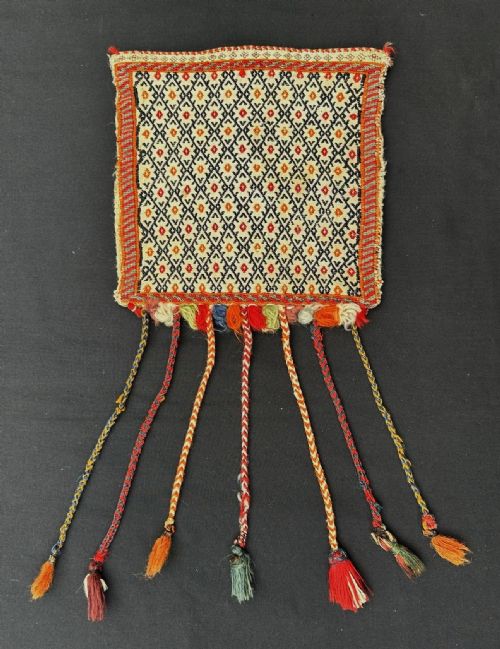
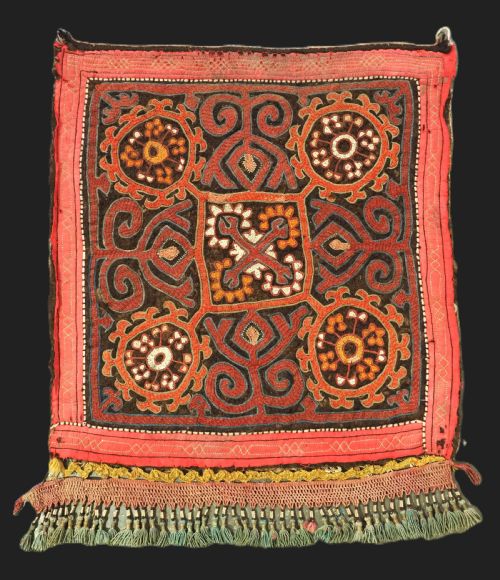
A multicolour wool wall hanging encompasses a diverse range of antique textiles, from Persian tribal bags and saddle covers to French needlework panels and tapestries. The selection leans heavily toward Central Asian and Persian nomadic weaving, alongside European decorative panels spanning multiple centuries.
Buyers will encounter various forms, including embroidered dowry pieces, horse decorations, ceremonial covers, and framed tapestries. These items originate from distinct traditions, representing the artistic output of specific tribes and European ateliers alike.
The materials and designs reflect the functional origins of these objects, which often served practical nomadic purposes or formal interior decoration before finding new life on the wall.
What varies in quality
Quality rests upon the fineness of the execution, the complexity of the repeat design, and the vibrancy of the natural dyes used in the composition. Superior examples display tighter stitchwork, greater precision in tribal motifs, and better preservation of the original materials.
The distinct character of the regional work also influences the standing of a piece, with rarer sub-tribe attributions and exceptionally well-balanced pictorial layouts commanding greater attention from collectors.
Listings span from the seventeenth century through to the early twentieth century, incorporating wool, cotton, silk, and felt.
The Multicolour Wool Wall Hanging Glossary
- Suzani
- A rich embroidered textile from Central Asia traditionally made as part of a bride's dowry. These panels feature bold floral or geometric motifs stitched in silk or wool on a cotton ground.
- Chanteh
- A small tribal vanity bag or container woven by nomadic groups in Persia. They often display intricate flatweave or pile designs intended for personal or ceremonial use.
- Tapestry
- A form of textile art woven by hand on a vertical or horizontal loom, typically depicting pictorial scenes or repeating decorative patterns. European examples frequently utilise wool and silk threads.
- Felt
- A non-woven textile produced by matting, condensing, and pressing fibres together. Kirghiz and other Central Asian groups applied embroidery and fringe to these durable surfaces.
- Nomadic trapping
- Practical or decorative gear created by pastoral groups for animals such as horses, camels, and donkeys. These objects frequently double as striking decorative wall art due to their vibrant palettes.
Multicolour Wool Wall Hanging: Frequently Asked Questions
How do I hang a textile safely?
Mounting a textile requires spreading the weight evenly across the entire upper edge to prevent distortion of the fabric.
Using a fabric sleeve stitched to the reverse or a padded wooden batten ensures the piece hangs flat without placing undue strain on historical fibres.
Are these pieces cleaned before sale?
Antique textiles demand specialist care to preserve fragile natural dyes and aged wool structures.
Professional conservation cleaning occurs only when strictly necessary, maintaining the historic integrity and patina of the object.
How do I identify Persian tribal work?
Persian tribal weavings often feature geometric motifs, animal forms, and deep natural colour palettes linked to specific confederacies.
Sub-tribe attributions rely on distinctive border patterns, structural formats, and traditional weaving techniques passed down through generations.
Can these hang in direct sunlight?
Direct sunlight poses a significant risk to natural dyes and antique wool, cotton, and silk fibres.
Placing textiles away from unshaded windows prevents fading and preserves the rich multicolour palette over time.