




Multicolour Persian Textile
A multicolour persian textile brings rich tribal tradition into your home through vibrant weaves, practical bags, and intricate wall hangings.
Multicolour Persian Textile
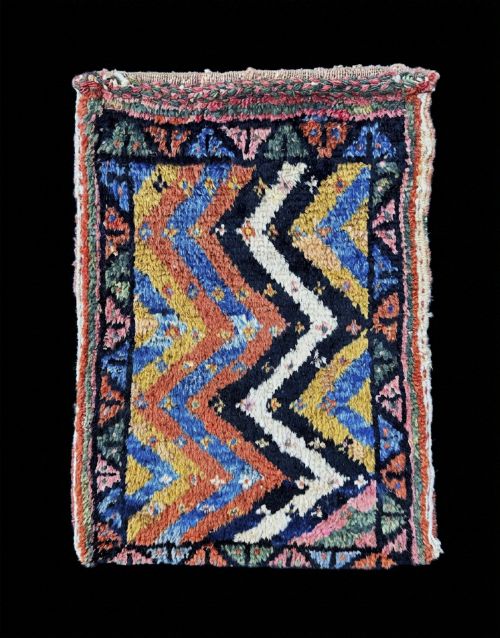
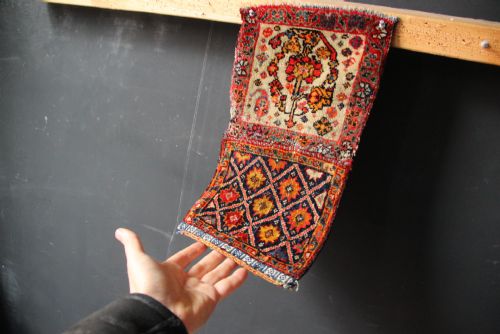
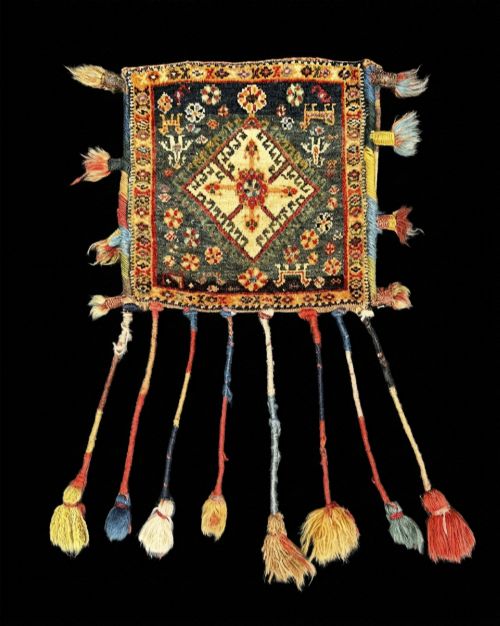
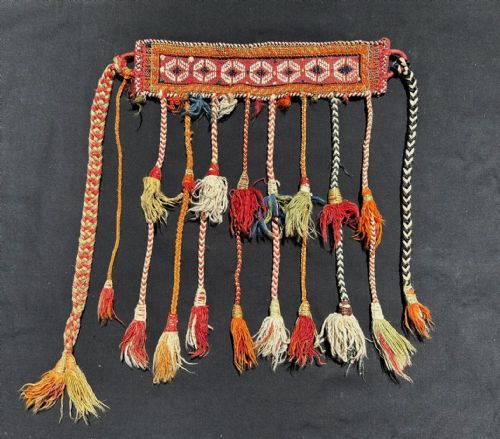
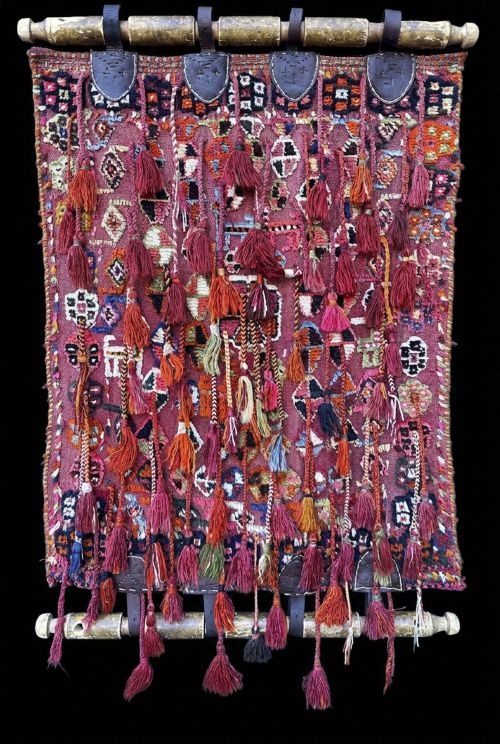
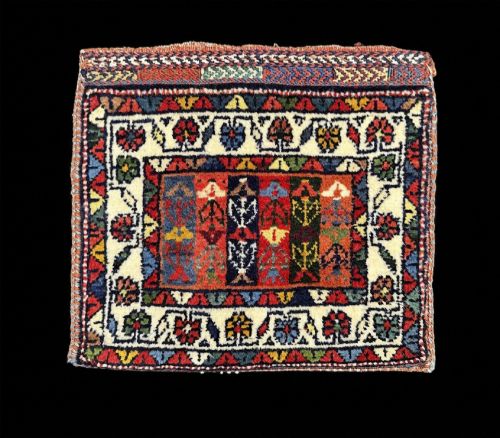
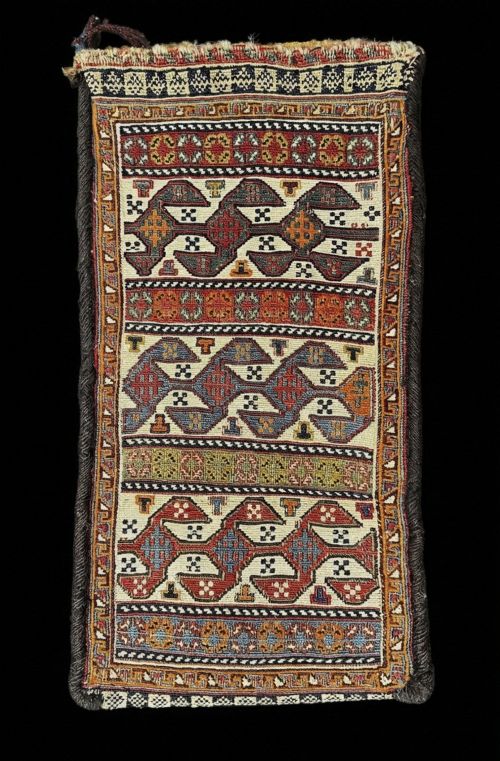
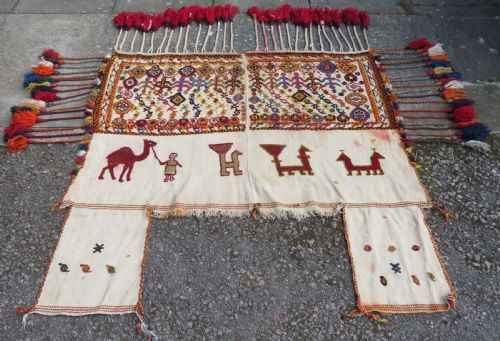
When you search for a multicolour persian textile, you uncover an array of woven artefacts originating from nomadic and tribal groups across Persia. These items range from functional saddlebags and pipe pouches to decorative horse blankets and mounted silk embroideries, spanning the nineteenth and early twentieth centuries.
You are most likely to encounter practical tribal bags and woven textiles created by confederacies such as the Qashqa'i and Afshar. These functional objects served daily nomadic needs before finding new life as decorative pieces in modern interiors.
How they were made
These textiles rely on natural dyes applied to wool, cotton, and silk, providing the enduring palette seen across tribal bags and wall hangings. Artisans also utilised felt applique work and block printing techniques on specific nineteenth-century pieces.
Nomadic makers constructed utilitarian items like spindle bags and horse decorations to withstand rigorous daily use. Skilled hands combined sturdy backing materials with intricate surface stitching and weaving patterns.
Multicolour Persian Textile Retail Price Guide 2026
Typical asking prices for multicolour persian textile among the pieces listed under this phrase on Sellingantiques today, from the lower quarter to the upper quarter. They describe what is for sale here now, not the wider market.
Materials seen in these listings include wool, cotton, wood, silk, natural dyes, leather, and felt.
What varies in quality
The distinction between standard utility items and finer pieces rests upon the complexity of the weave and the precision of the design. Elaborate embroidery work and balanced compositions elevate certain wall hangings and vanity bags above everyday utilitarian gear.
Condition and the preservation of natural dyes also shape the standing of an individual textile. Pieces retaining vibrant hues and intact structural elements demonstrate superior survival from their nineteenth and early twentieth-century origins.
The Multicolour Persian Textile Glossary
- Chanteh
- A small tribal vanity bag or container woven by nomadic groups in Persia. These bags were typically used for personal items.
- Jajim
- A flat-woven textile often constructed in narrow strips and joined together. They serve multiple utility purposes within nomadic households.
- Kilim
- A flat-woven carpet or hanging produced without a pile. These items display geometric patterns using slit-weave techniques.
- Applique
- A sewing technique where pieces of fabric are attached to a larger background material to form designs. This method appears on fine Rasht embroidery works.
- Natural Dyes
- Colouring agents derived from plants, insects, and minerals rather than synthetic compounds. They produce the harmonious tones found in antique Persian weaving.
Multicolour Persian Textile: Frequently Asked Questions
How were tribal bags used?
Nomadic groups utilised these bags for storing personal items, tobacco, pipes, or spinning tools during seasonal migrations.
Many of these items hung inside tents or served as practical saddle attachments on horses and pack animals.
Where do these textiles originate?
They come from various regions and tribal confederacies across Persia, including Fars Province and Kerman.
Specific sub-tribes like the Qashqa'i and Afshar produced distinct styles influenced by their local environments.
How should I display a textile?
Wall hangings and mounted silk pieces can be framed or hung securely away from direct sunlight.
Smaller items like chantehs work well displayed on shelves or tables where their weave remains visible.
How do I date these items?
Dating relies on stylistic markers, structural analysis, and material wear pointing to the nineteenth and early twentieth centuries.
Natural dye palettes and traditional tribal motifs offer key clues to a piece's age.