




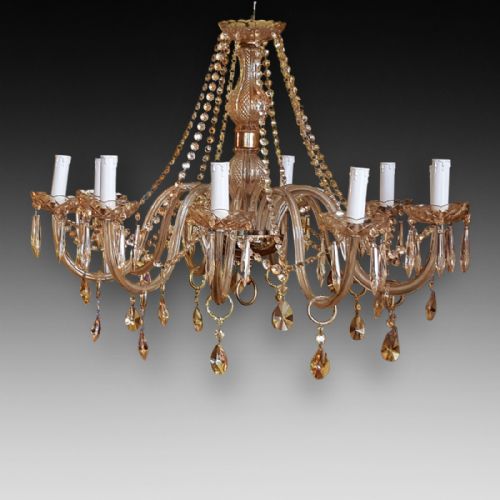
Multi Tier Glass Chandelier
A multi tier glass chandelier brings dramatic scale and layered brilliance to a room, catching the eye with cascading tiers.
Multi Tier Glass Chandelier
When you search for a multi tier glass chandelier, you encounter imposing overhead fixtures designed to illuminate grand spaces with multiple levels of illumination. The examples listed here span from the nineteenth century through the Edwardian era and into the nineteen thirties, encompassing English, French, Venetian, Bohemian, and Florentine origins.
The configurations range from twelve-light setups and large ballroom fixtures holding forty-one lights down to imposing pairs and substantial multi-tiered drops. Alongside traditional chandeliers, the selection includes associated lighting forms such as table lustre candelabras.
You will most commonly meet pieces styled in the grand Regency, French Chateau, Rococo Revival, and Venetian traditions. These fixtures rely on stacked tiers, branches, and elaborate frames to dominate high ceilings and large reception rooms.
How they were made
These fixtures combine robust metal frameworks with delicate glass and crystal elements. Metal structures utilise brass, gilt-brass, silver-gilded bronze, and gilt metal to support the heavy weight of multi-tiered designs.
The decorative components rely on lead crystal, cut glass, and standard glass shaped into drops, beads, and swags. Artisans cut and polish the crystal and glass components to maximise light refraction across the multiple tiers.
Multi Tier Glass Chandelier Retail Price Guide 2026
Typical asking prices for multi tier glass chandelier among the pieces listed under this phrase on Sellingantiques today, from the lower quarter to the upper quarter. They describe what is for sale here now, not the wider market.
Several massive ballroom fixtures push the limits of domestic architecture with forty-one lights ready to dazzle every guest.
What varies in quality
The calibre of a multi tier glass chandelier rests upon the purity and density of its crystal elements alongside the precision of the glass cutting. Superior pieces feature sharply faceted cut crystal drops and lead crystal components that scatter light cleanly, contrasting with simpler moulded glass.
Construction methods and metalwork further define the standard of the piece. Substantial gilt-brass, bronze, or silver-gilded frames provide the necessary structural integrity for large multi-light arrangements, supporting heavy tiers securely without sagging or imbalance.
The Multi Tier Glass Chandelier Glossary
- Cut glass
- Glass that has been shaped and faceted on a wheel to create brilliant light-reflecting patterns. This technique produces sharp edges and deep cuts characteristic of finer antique lighting.
- Lead crystal
- Glass containing metal oxide that increases its weight, clarity, and refractive index. This material allows for deeper cutting and a more resonant ring when struck.
- Table lustre
- A type of portable candelabra or candle holder decorated with hanging crystal pendants. These pieces mirror the ornamentation of larger ceiling chandeliers on a smaller scale.
- Swag
- A draped garland of beads or crystal drops suspended between points on a fixture. They add textural movement and soften the rigid geometry of the metal frame.
Multi Tier Glass Chandelier: Frequently Asked Questions
How do I clean a multi tier glass chandelier?
Cleaning requires patience and gentle handling to protect fragile crystal drops and delicate metal frames. Many specialists recommend cleaning components in place using a specialised spray and a catch basin below.
Alternatively, individual glass drops can be removed, washed in warm soapy water, dried thoroughly, and rehung. Care must be taken around antique gilt-brass and bronze finishes to preserve the original surface.
What ceiling height do I need for these chandeliers?
Multi tier glass chandeliers demand substantial vertical space to accommodate their height and prevent them from dominating a room improperly. High ceilings in period properties or grand reception rooms provide the ideal proportions for fixtures featuring multiple stacked tiers.
Consider the clearance needed beneath the lowest point of the chandelier, especially if it hangs above furniture or a central walkway. Large ballroom or multi-branch pieces require tall rooms to look balanced and correct.
How do I determine the period of a chandelier?
Dating relies on examining the metal alloys, the style of the metal casting, and the specific cutting techniques used on the crystal. Edwardian and early twentieth-century examples often display refined casting and specific stylistic revivals of French or Regency aesthetics.
Nineteenth-century pieces frequently show heavier bronze or brass frameworks combined with hand-cut lead crystal. Comparing the wiring, fittings, and construction joints also offers clues to the era of manufacture.
Can antique chandeliers support modern electrical wiring?
Most antique lighting has been adapted for modern electricity at some point in its history to meet contemporary safety standards. Rewiring allows these fixtures to function safely while retaining their original aesthetic appeal.
It is advisable to have a qualified electrician inspect the internal wiring and structural hanging points before installation. The heavy weight of multi-light frames requires secure ceiling joists and appropriate load-bearing fixings.