
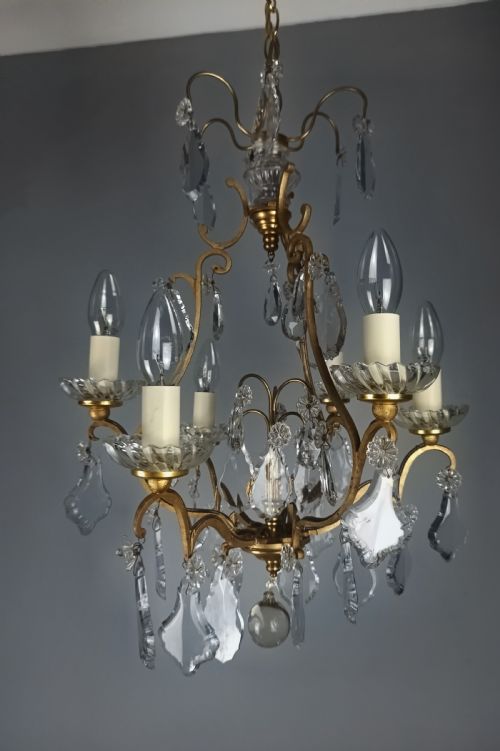
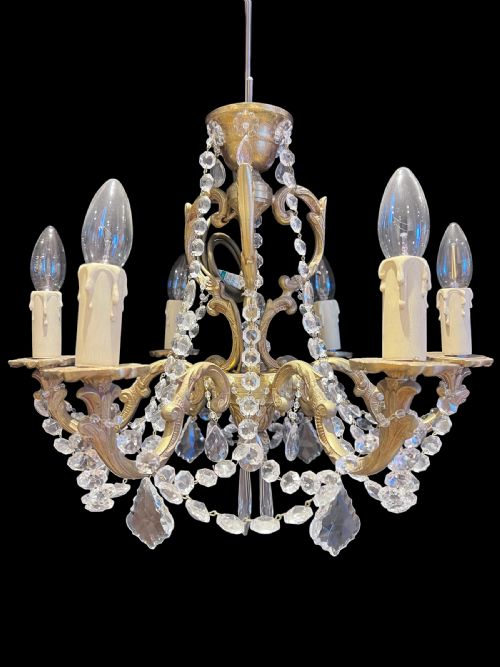
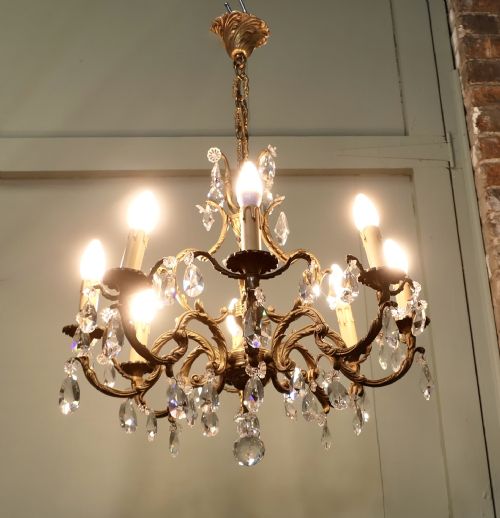
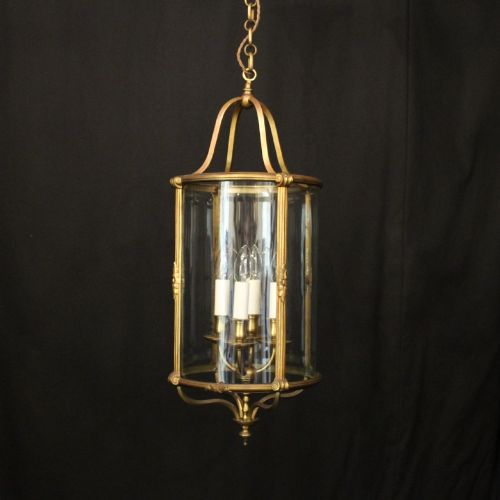
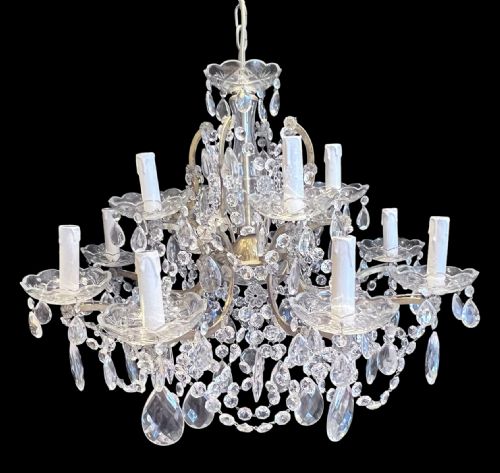
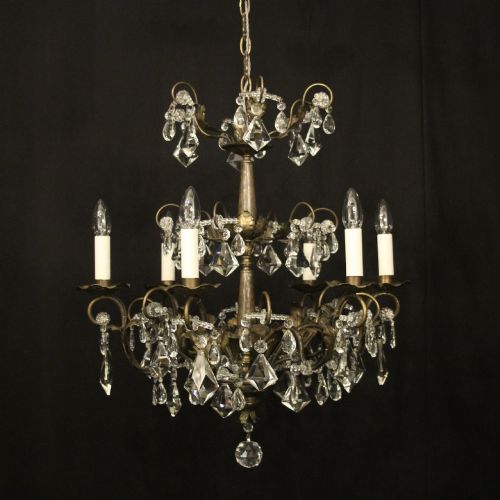
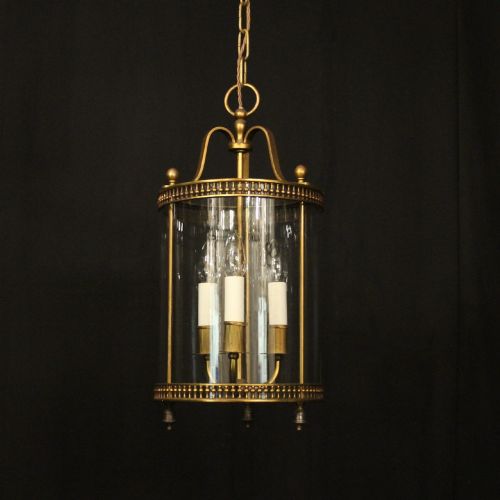
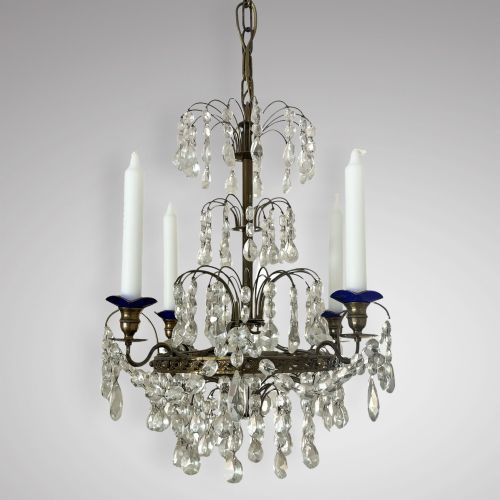


Glass Candle Chandelier
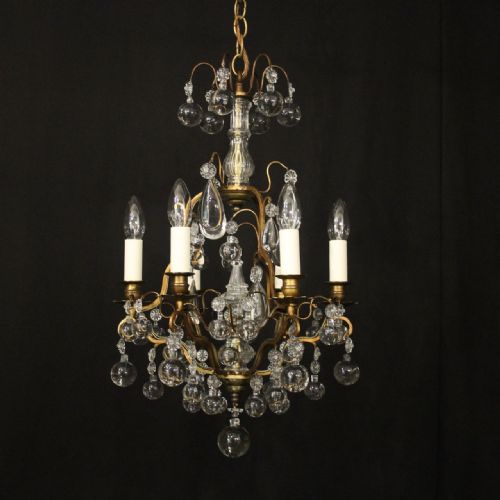
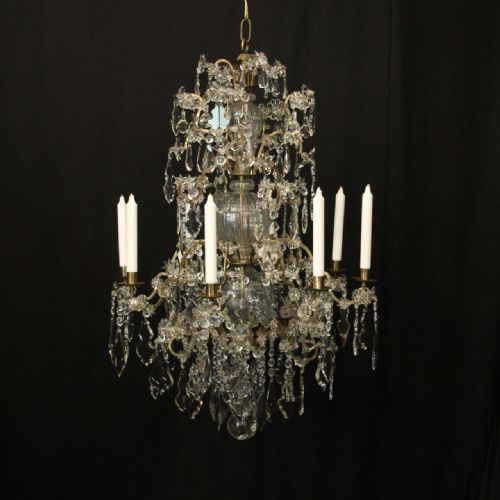
A glass candle chandelier brings radiant depth to a room through faceted drops and gleaming metal frames.
Glass Candle Chandelier
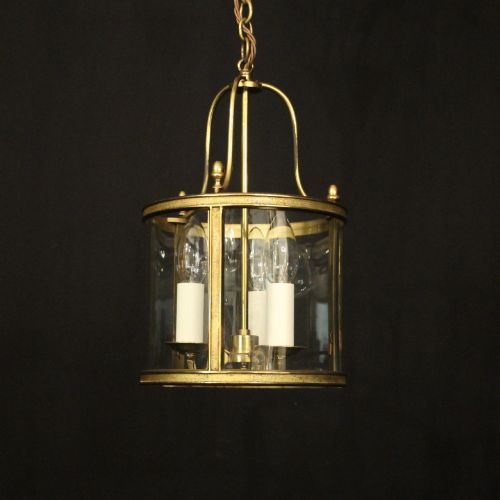
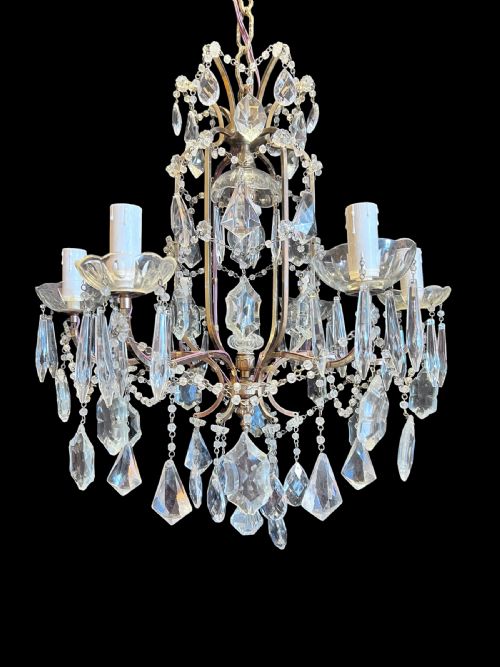
When you search for a glass candle chandelier, you encounter grand hanging centrepieces designed to diffuse candlelight through cut crystal and glass. The examples here span from the late nineteenth century into the 1930s, with French designs appearing most frequently alongside Italian, Swedish, and English pieces.
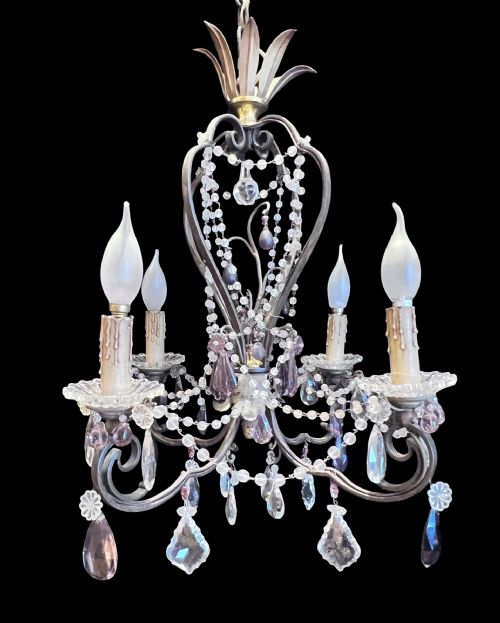
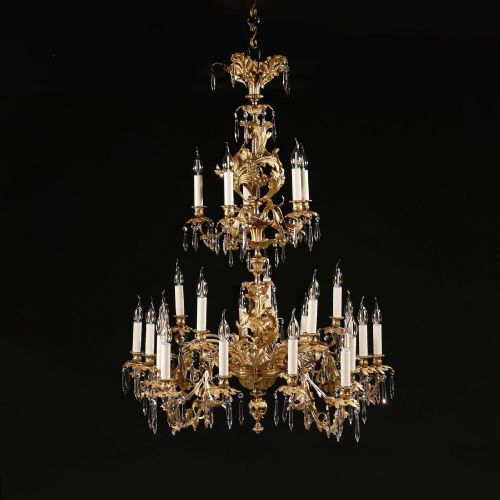
The selections range from multi-tier brass and crystal fixtures to simpler hall lanterns and wall lights. Many pieces incorporate coloured elements such as amethyst, amber, mauve fruits, and ruby glass alongside clear cut crystal.
Forms vary from delicate birdcage frameworks to twenty-four branch Florentine configurations and utilitarian church lamps. These fixtures define a space by capturing natural and artificial light within their suspended glass drops and lustres.
Materials and Construction
The structural bones of these pieces rely on brass, gilded brass, gilt metal, and wrought iron to support heavy assemblies of glass and crystal. Smiths and founders cast or forged these metal frames before applying gilding or silvering to the bronze and brass components.
Artisans cut and faceted the glass and crystal elements by hand to maximise light refraction. Drop-in glass components, beaded strands, and bevelled panes were then wired or pinned securely into the metal armatures.
Several chandeliers come equipped to cast coloured light through hanging mauve and amber glass fruits.
Distinctions in Quality
Quality rests upon the crispness of the metal casting and the depth of the hand-cutting on the crystal drops. Heavier brass frames and deeply faceted, clear crystal elements command greater presence than pressed glass set in thin, unadorned metal.
The integration of the design also dictates the tier of the piece, where complex birdcage configurations or multi-branch Florentine structures show superior craftsmanship. Original gilding and complete sets of matching coloured crystal fruits or teardrops elevate the overall harmony of the object.
The Glass Candle Chandelier Glossary
- Birdcage Chandelier
- A lighting fixture featuring a curved metal framework resembling a birdcage, often draped with crystal strands. This form became popular in grand French interiors.
- Lustre
- A pendant glass prism or drop hung from a chandelier to reflect light. These pieces catch and scatter illumination across the walls.
- Hall Lantern
- An enclosed hanging light designed for corridors or entranceways. They frequently feature bevelled glass panes held within brass or iron frames.
- Gilt Bronze
- Bronze metal coated with a thin layer of gold leaf or gold powder. This finish provides a warm, reflective surface that complements crystal elements.
Glass Candle Chandelier: Frequently Asked Questions
How do I hang a heavy antique chandelier safely?
These large fixtures require secure anchoring directly into ceiling joists using rated steel fixings. Weight distributions vary significantly between simple iron lanterns and multi-tier crystal assemblies.
Consult a professional electrician to assess ceiling strength and ensure the internal wiring meets modern safety standards while preserving the original metalwork.
Were these chandeliers originally wired for electricity?
Most pieces from the nineteenth and early twentieth centuries were designed to burn candles or oil before later conversion. Surviving examples often show adaptations made to accommodate electrical fittings over time.
Inspectors can trace the conversion path, noting how burners or candle cups were adapted to hold bulb sockets without damaging the bronze or glass.
How should I clean crystal and glass components?
Maintenance involves gentle washing of individual glass drops using warm water and mild soap. Harsh chemicals can strip gilt finishes from the brass and bronze frames.
Remove pendants carefully if needed, or wipe them in place while supporting the metal armature to prevent stress on the vintage pins.
How do I identify French styles from Italian ones?
French designs from this era frequently showcase Neoclassical, Rococo, or Empire influences with structured brass frames and precise crystal draping. Italian pieces often lean towards Florentine or Venetian opulence with organic, leafy gilt structures and abundant beaded glass.
Examining the metalwork casting and the specific shapes of the glass drops helps distinguish regional workshop traditions.