




Mounted Porcelain Vases
These mounted porcelain vases combine delicate ceramic bodies with cast metal fixtures, originating mainly from nineteenth-century European and Asian workshops.
Mounted Porcelain Vases
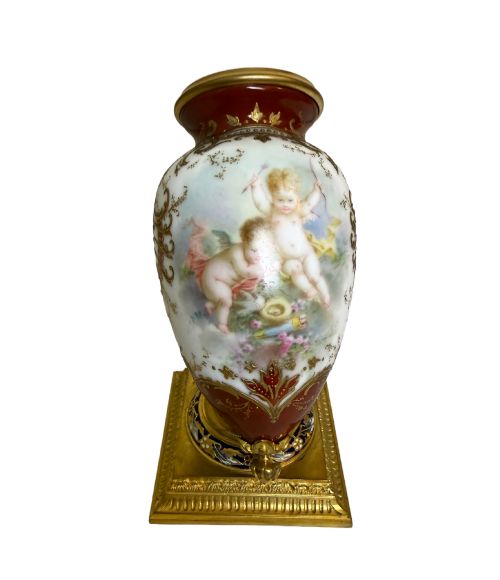
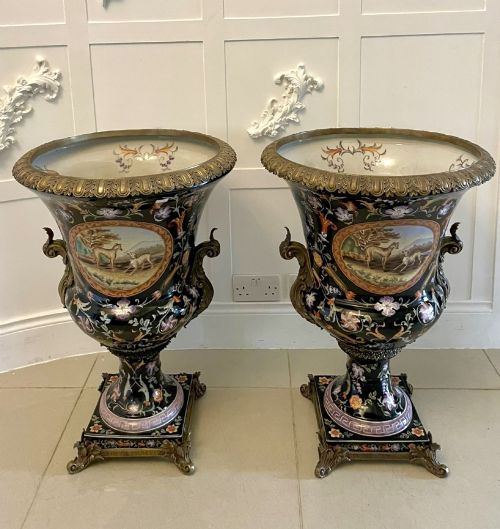
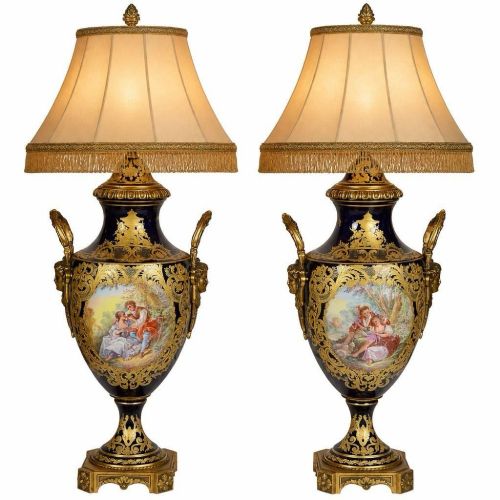
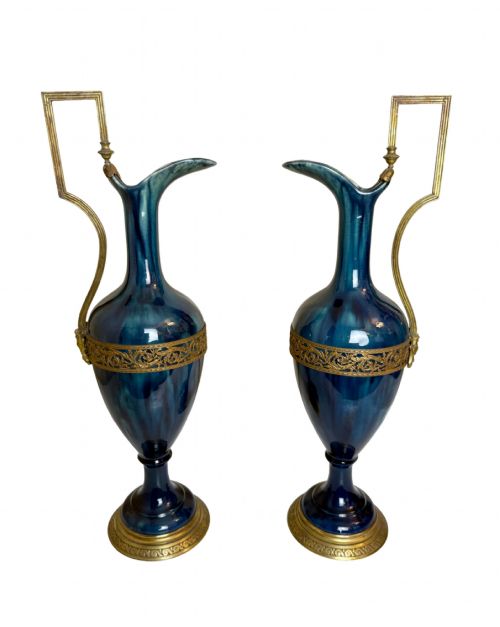
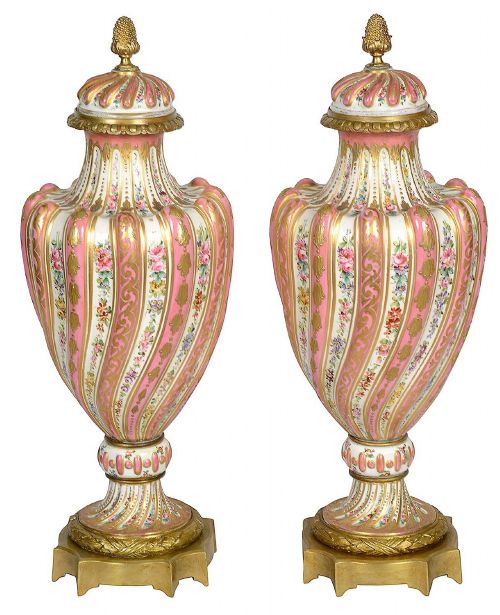
Mounted porcelain vases bring together two distinct artistic traditions, pairing imported or European ceramic vessels with decorative metal fittings. When searching for mounted porcelain vases, buyers typically encounter nineteenth-century French and Chinese pieces fashioned into lamps, jardinieres, or lidded vessels.
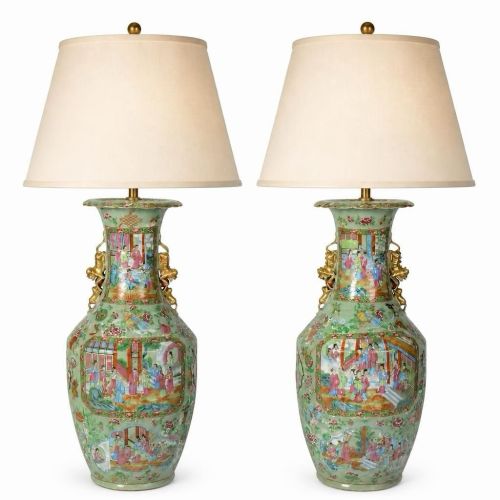
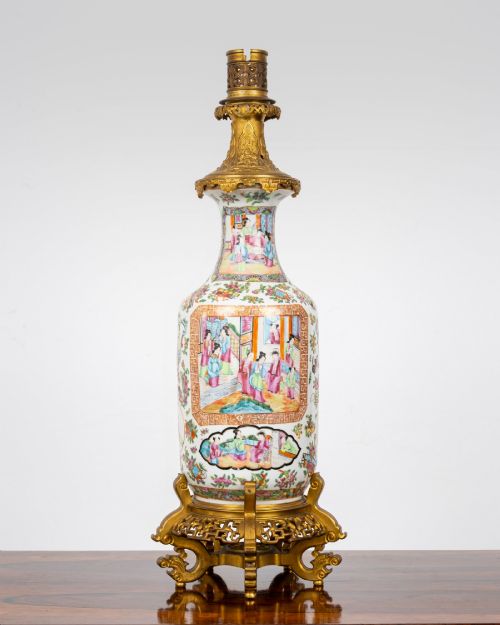
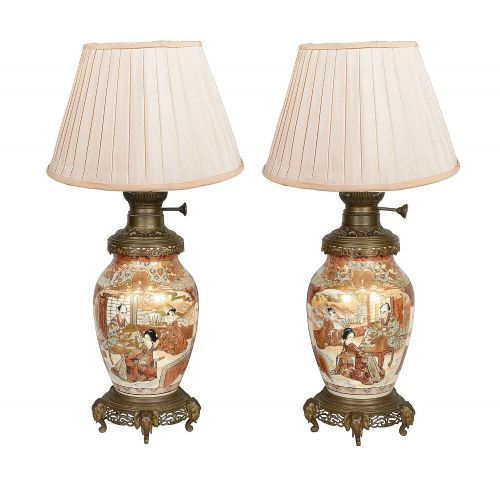
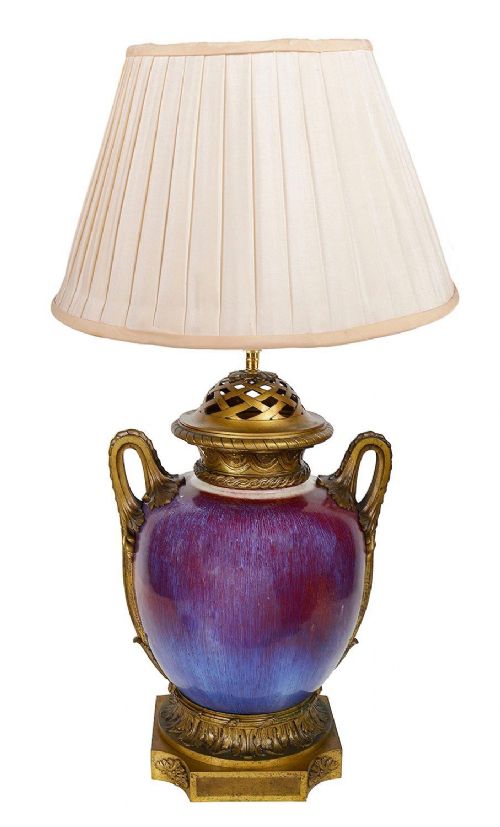
The ceramic bodies range from French Sevres-style porcelain and Paris porcelain to Chinese Rose Medallion, Satsuma, and celadon wares. These vessels frequently take the form of table lamps, decorative urns, and potpourri jars rather than standalone display pieces.
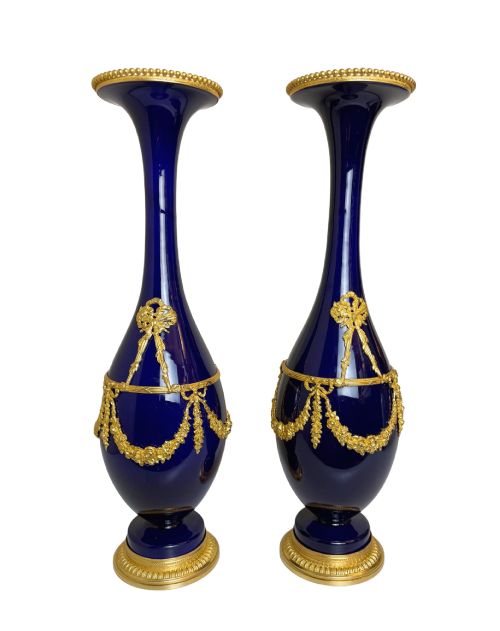
European examples often reflect French Rococo Revival or Neoclassical tastes, while Asian pieces incorporate export porcelain adapted for Western interiors. Pairs feature prominently across the selection, making them suitable for flanking sideboards or mantels.
Materials and Technique
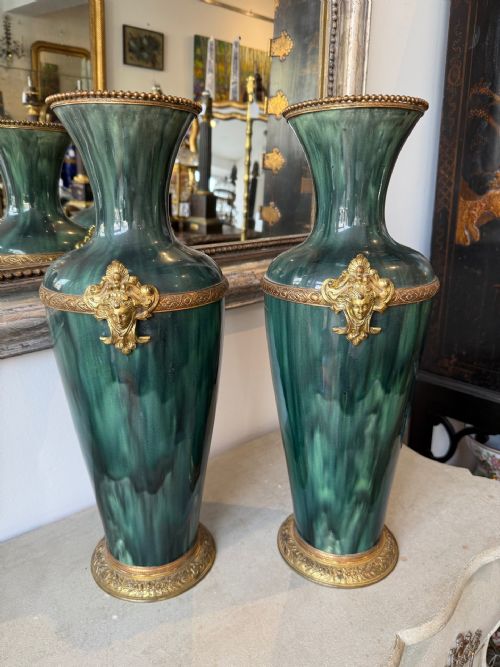
Makers shaped the ceramic components from hard-paste or soft-paste porcelain, applying hand-painted enamels, gilding, or monochrome glazes before firing. Artisans then fitted these vessels with cast metal mounts fashioned from brass, bronze, or ormolu.
The metal mounts served both a structural purpose and an aesthetic one, securing rims, bases, and handles while introducing ornate Rococo or Neoclassical scrollwork. Silk or fabric elements sometimes appear alongside these mounts, particularly on pieces later converted into table lamps.
Listings span the eighteenth to the twentieth centuries, uniting French porcelain with Japanese Satsuma and Chinese export wares.
Judging Quality
Quality rests heavily on the crispness of the cast metal mounts and the artistry of the porcelain painting. Finely chased ormolu displays sharp detail and deep relief, whereas lesser casts appear blurred and lack definition.
The harmony between the ceramic vessel and its metal fittings dictates the overall success of the piece. Superior examples integrate the mounts securely into the design without obscuring the hand-painted glazes or underlying porcelain form.
Paul Milet·Hayakawa
The Mounted Porcelain Vases Glossary
- Ormolu
- Gilded bronze used for decorative furniture mounts and vase fittings. This technique involves applying a mercury and gold amalgam to cast bronze before heating.
- Sevres
- A famed French porcelain manufactory known for high-status decorative wares. Many nineteenth-century pieces adopt this distinctive aesthetic style.
- Celadon
- A pale green jade-like ceramic glaze originating in East Asia. The subtle hue results from iron oxide reacting within a reducing kiln atmosphere.
- Jardiniere
- An ornamental ceramic pot or urn designed to hold plants or floral arrangements. These vessels frequently feature matching metal bases and rims.
- Garniture
- A set of three or more matching vases or urns designed for display together on a mantelpiece.
Mounted Porcelain Vases: Frequently Asked Questions
What are mounted porcelain vases?
These decorative objects consist of ceramic vessels fitted with cast metal mounts such as brass, bronze, or ormolu. The combination elevates simple pottery into ornate decorative art.
European makers frequently adapted Chinese export porcelain or produced their own bodies in imitation of Asian and neoclassical styles.
How were mounted vases used?
Historical interiors utilised these grand vessels as mantelpiece ornaments, potpourri containers, or centrepieces on large tables. Their imposing scale made them natural focal points in formal reception rooms.
Many surviving nineteenth-century examples were later converted into table lamps while retaining their original ceramic bodies and metal mounts.
How do you identify French versus Asian porcelain?
French pieces often display neoclassical motifs, bleu celeste grounds, or hand-painted figural scenes in the manner of Sevres. The porcelain bodies tend toward smooth white pastes with refined European gilding.
Asian pieces encompass Chinese export wares, Japanese Satsuma earthenware, and crackle-celadon glazes featuring distinct regional palettes like Famille Rose or Rose Medallion.
Can these lamps be rewired safely?
Most antique wired examples benefit from professional rewiring to meet modern electrical safety standards. Electricians can update cords and fittings without altering the historic porcelain or metal mounts.
Retaining the original structural integrity of the vase during conversion ensures the ceramic body remains undamaged.