



Moulded Panel Commode
These moulded panel commode items are substantial storage chests in oak, walnut, and fruitwood, prized for their early joinery and timeless utility.
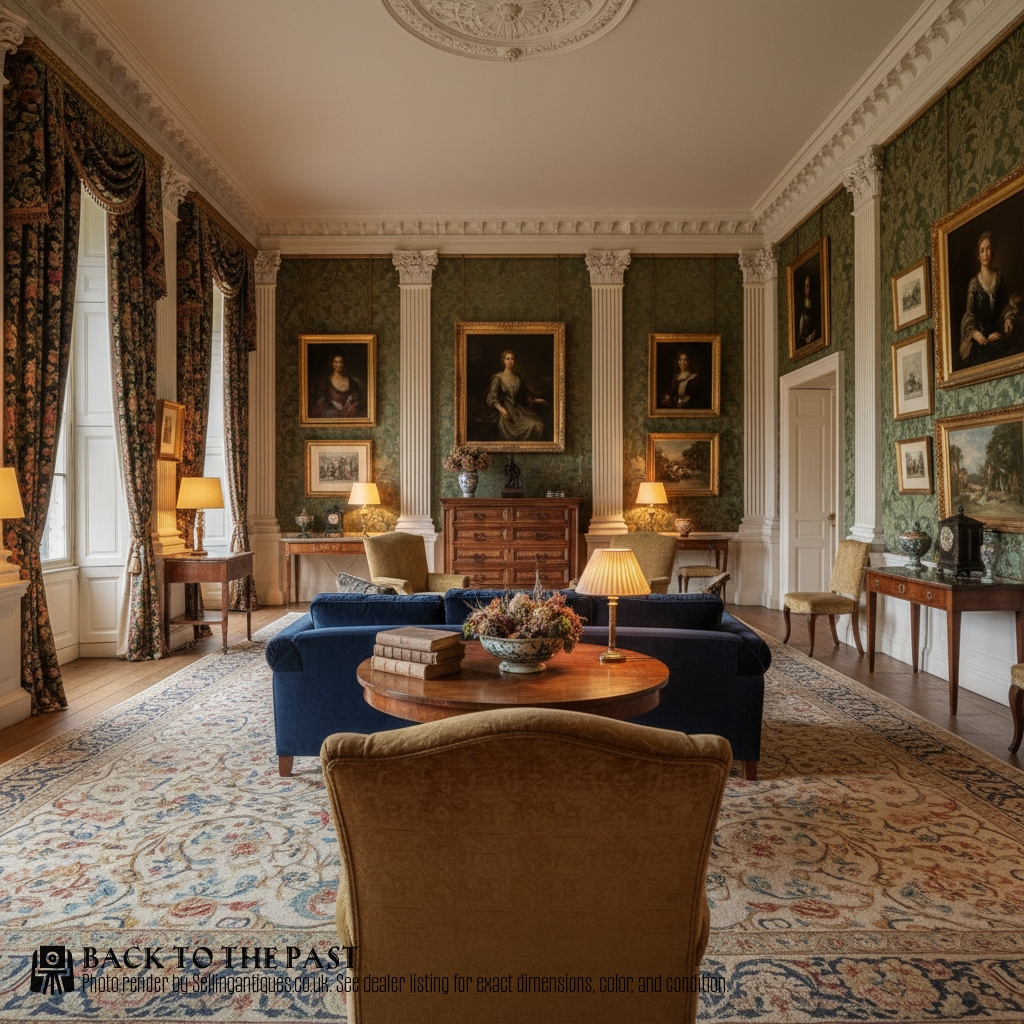
Moulded Panel Commode
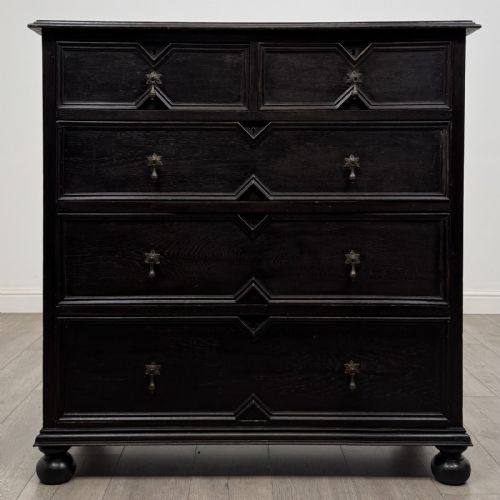
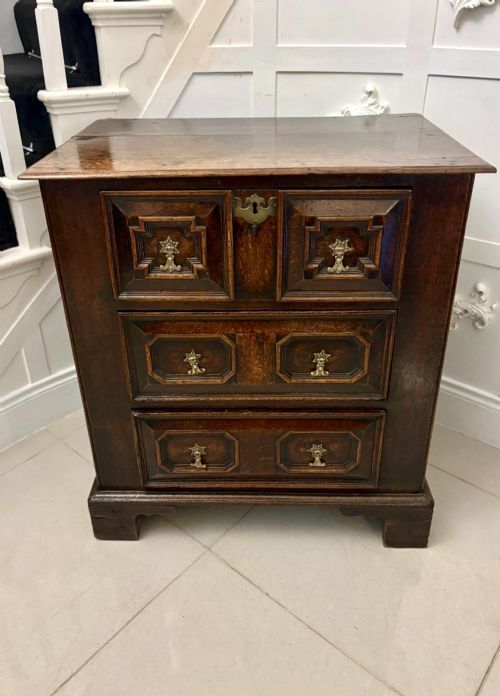
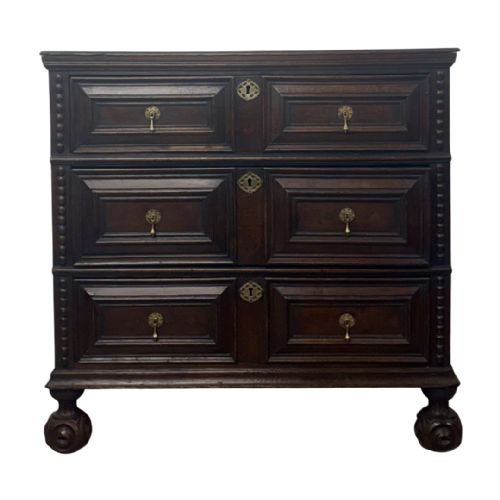
A moulded panel commode typically takes the form of a sturdy chest of drawers originating from the seventeenth and eighteenth centuries. These items serve as functional storage pieces with deep drawers and solid frames.
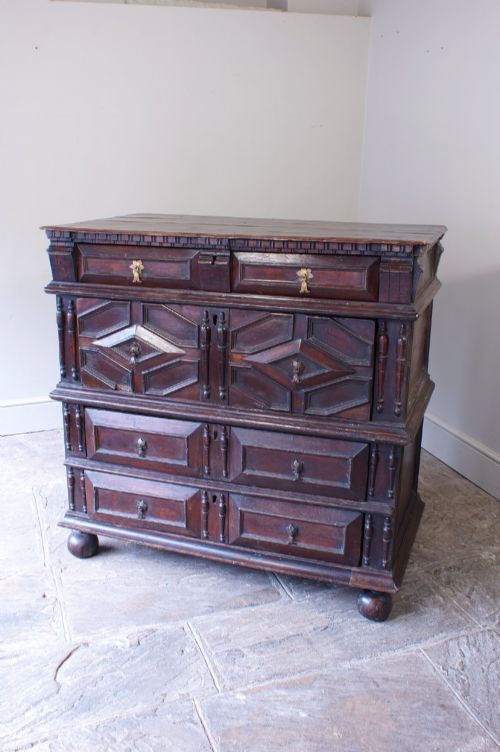
Most entries are constructed as two-part chests, displaying geometric drawer fronts and carved detailing. They bridge the gap between utilitarian storage and period furniture.
How they were made
Cabinet makers utilised heavy timbers such as oak, walnut, and fruitwood, often pairing them with cedar or iron fixings. Panels were moulded and fitted into sturdy frames to accommodate the natural movement of the wood over centuries.
Brass handles and escutcheons were cast and fitted to secure the drawer fronts, while some continental commodes received polished marble tops. Joinery methods relied on pegged mortise and tenon frames rather than modern adhesives.
Moulded Panel Commode Retail Price Guide 2026
Typical asking prices for moulded panel commode among the pieces listed under this phrase on Sellingantiques today, from the lower quarter to the upper quarter. They describe what is for sale here now, not the wider market.
Listings feature oak, walnut, fruitwood, cedar, and marble materials across seventeenth-century and Georgian periods.
What varies in quality
The grade of a moulded panel commode depends heavily on the crispness of the original mouldings and the preservation of the timber surfaces. Pieces retaining their early brass hardware and unblemished timber grain command greater appreciation.
Construction methods also dictate worth, with two-part chests showing superior structural framing and tighter drawer joints standing apart from lesser examples. The balance between geometric carving and proportion defines the overall success of the piece.
The Moulded Panel Commode Glossary
- Commode
- A low cabinet or chest of drawers designed for storage, appearing across seventeenth and eighteenth-century European traditions.
- Geometric chest
- A chest of drawers decorated with applied moulded strips forming geometric patterns across the drawer fronts.
- Two-part chest
- A piece constructed in two separate stacking sections for easier transport and placement in early homes.
- Fruitwood
- Dense timber harvested from fruit-bearing trees, utilised by cabinet makers for contrasting tones and fine details.
- Escutcheon
- A protective plate surrounding a keyhole, frequently cast in brass on period furniture.
Moulded Panel Commode: Frequently Asked Questions
How do I date a moulded panel commode?
Dating relies on observing construction techniques, timber species, and stylistic markers such as geometric mouldings or hardware. Seventeenth-century examples often display hand-split oak and pegged joints.
Later eighteenth-century iterations introduce softer fruitwoods, walnut veneers, and polished marble tops. Comparing the drawer linings and panel construction helps clarify the precise period.
Where were these chests placed?
These storage pieces functioned primarily in bedchambers and private parlours to hold linens, garments, and valuables. Their robust build suited the daily demands of seventeenth and eighteenth-century households.
Continental variants with marble tops often stood in formal reception rooms as display surfaces. Today, they adapt easily to modern hallways and living spaces as statement storage.
Are these commodes made of solid oak?
Many English examples from the seventeenth century consist entirely of solid oak timbers. Cabinet makers also incorporated walnut, cedar, and fruitwood depending on the regional workshop.
Continental pieces frequently combine structural softwood or hardwood carcases with decorative fruitwood or walnut veneers. Each material dictates the weight and colour of the finished chest.
What is a two-part chest?
A two-part chest is built as two distinct stacking cabinet sections rather than a single tall carcase. This construction method facilitated easier movement through narrow staircases in historic buildings.
The separation point is usually concealed behind side mouldings or a central waist rail. Charles II examples frequently utilise this practical modular design.