


Monochrome Portrait Study
Monochrome portrait study works in charcoal, graphite, ink, and gouache capture likenesses across centuries.
Monochrome Portrait Study
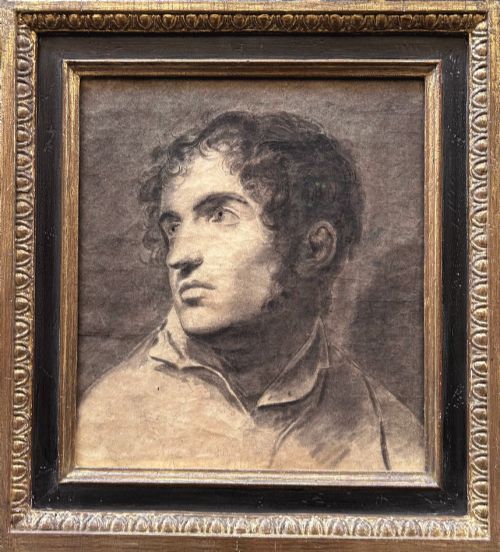
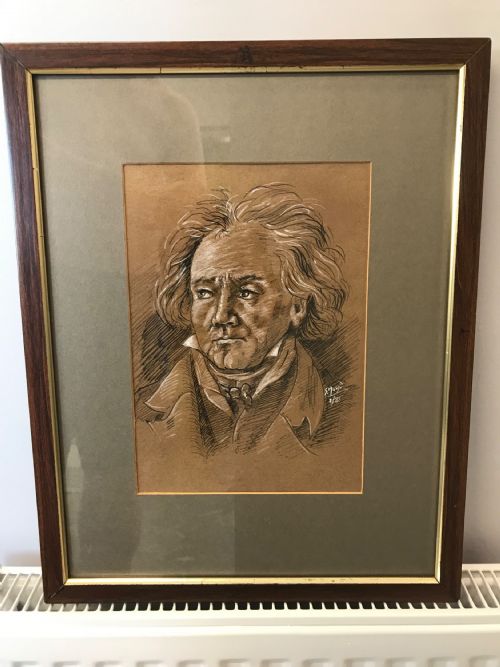
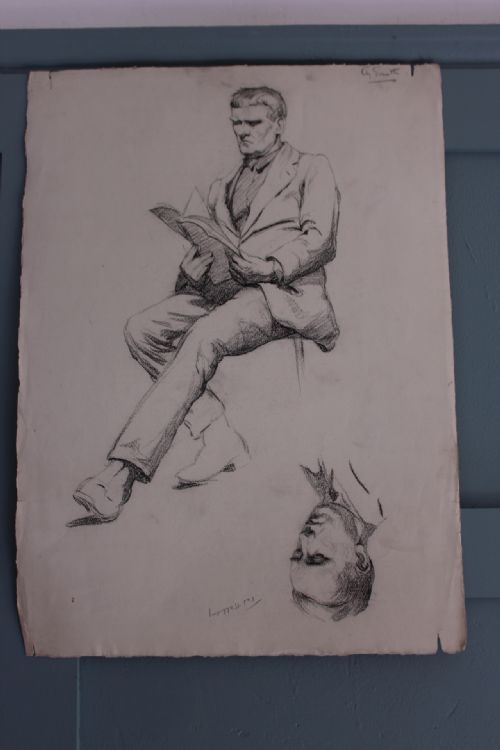
A monochrome portrait study focuses the viewer entirely on form, line, and expression without the distraction of colour. When collectors search this phrase, they encounter framed drawings, original paintings, and works on paper spanning from the seventeenth century through to later decades.
The selections available here lean heavily towards nineteenth-century academic works, charcoal life studies, and pencil portraits. These pieces range from intimate sketches of known sitters to anonymous studio drawings created for practice or record.
How they were made
Frames of wood and giltwood often enclose these works, preserving delicate media such as charcoal and pastel behind glass. The handling of the medium ranges from tight academic realism to loose, expressive strokes captured in studio settings.
Materials recorded across the selection include graphite, gouache, charcoal, ink, and mixed media on paper.
What varies in quality
Quality in a monochrome portrait study rests on the sureness of the draughtsmanship and the psychological weight of the subject. A confident line and an accurate sense of proportion distinguish a master's studio study from a routine exercise.
The preservation of the paper and the stability of fragile media like charcoal also dictate the standing of a piece. Strong tonal contrast and minimal degradation over time separate superior examples from faded or overworked sheets.
Alexandre-Louis Martin·Augustus Edwin John·David Cox·John Hoppner·John Duncan Fergusson·Ernest Borough Johnson·Francis Dodd·Juliet Pannett
The Monochrome Portrait Study Glossary
- Charcoal
- A dry drawing medium made from burnt organic material, capable of deep blacks and soft smudged tones. It is frequently fixed to prevent smearing on paper.
- Gouache
- An opaque water-based paint that provides solid, flat areas of tone. Artists use it to heighten lights in monochrome drawings.
- En Grisaille
- Painting executed entirely in shades of grey or neutral monochrome. The technique mimics the appearance of relief sculpture.
- Academic Realism
- A style resulting from strict adherence to the standards of European art academies. It emphasises anatomical precision and careful tonal gradation.
- Wash
- A thin, fluid layer of ink or watercolour applied across paper. It establishes broad areas of shadow or background atmosphere.
Monochrome Portrait Study: Frequently Asked Questions
What is a monochrome portrait study?
A monochrome portrait study is an artwork created in a single colour or neutral tones, typically using pencil, charcoal, ink, or wash on paper. These pieces often serve as preparatory works for larger paintings or stand alone as finished artistic expressions.
Artists utilise this restricted palette to concentrate on shadow, light, and anatomical structure without the distraction of a full colour spectrum.
How should I frame and display paper works?
Works on paper require conservation-grade framing behind glass to protect fragile media like charcoal and graphite from atmospheric damage and moisture. UV-filtering glazing prevents the paper and ink from fading under direct indoor light.
Position these pieces away from direct sunlight and damp environments to ensure the paper support remains stable over decades of display.
How do I identify the period of a drawing?
Dating a monochrome study relies on examining the watermark and texture of the paper, the framing materials, and the stylistic conventions of the draughtsmanship. Academic styles from the nineteenth century differ noticeably from the looser, more experimental marks of later periods.
Signatures, inscriptions on the reverse, and known artist biographies further anchor a piece within a specific decade or movement.
Why are some studies anonymous?
Many historical portraits were created in art academies or private studios simply for practice, anatomy study, or recording a sitter's likeness quickly. These academic exercises were rarely signed because they functioned as working tools rather than finished exhibition pieces.
Anonymity does not detract from the technical skill visible in the handling of line and tone across the sheet.