




Monochrome Landscape Print
A monochrome landscape print brings the quiet drama of earlier centuries into a room through ink and paper.
Monochrome Landscape Print
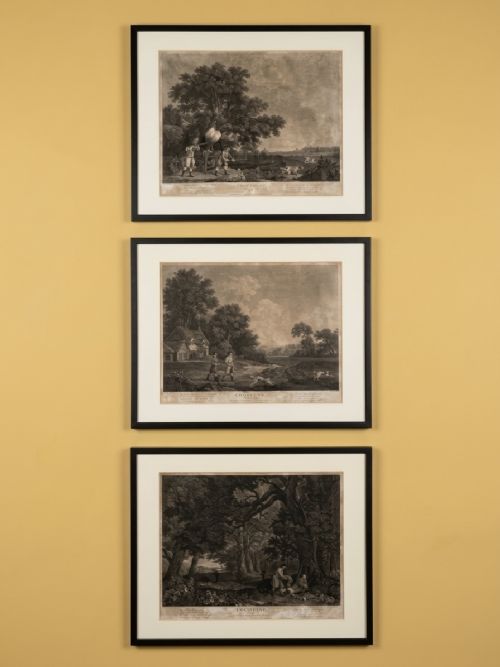
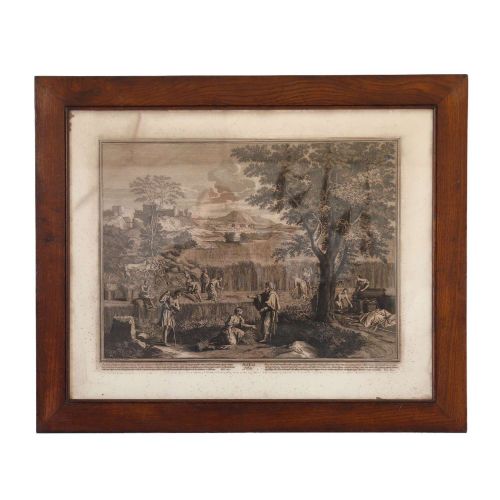
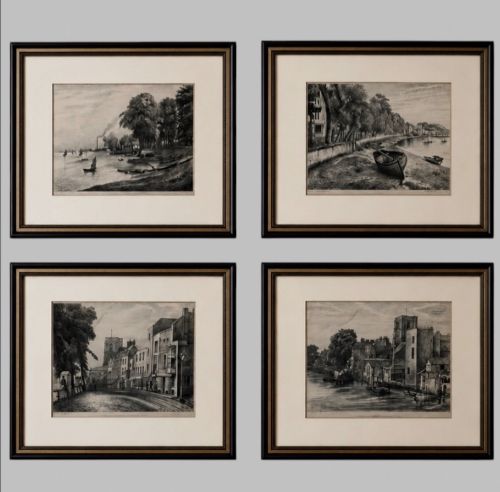
When you search for a monochrome landscape print, you encounter works spanning from the seventeenth century through the twentieth century, rendered on paper and framed in wood.
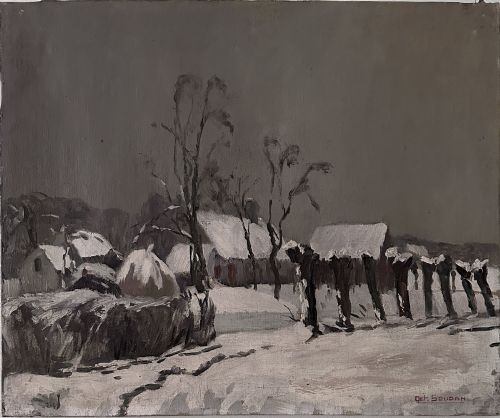
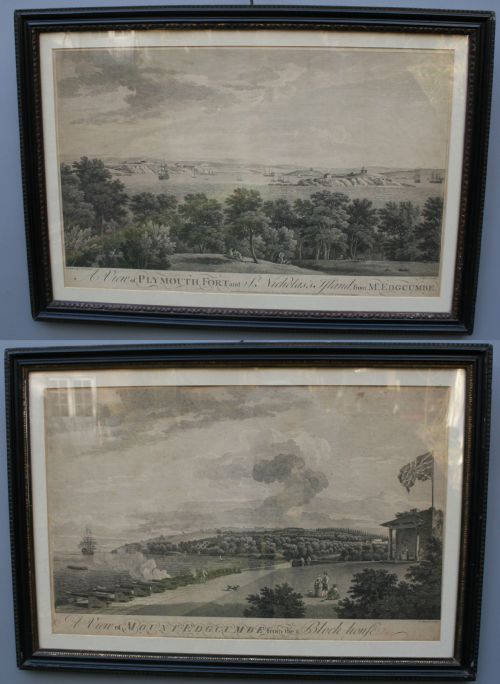
The selections on this page include eighteenth-century French engravings, nineteenth-century etchings, and twentieth-century lithographs depicting architectural views, coastal scenes, and rural settings.
You are most likely to meet framed prints and engravings capturing topography, winter villages, and historical landscapes under glass.
How they were made
These works rely on ink applied to paper through printing techniques such as engraving, etching, lithography, and aquatint.
Makers utilised copper plates, stone blocks, and wood frames, occasionally incorporating gold leaf within the framing.
Drawn elements in pen, ink, and watercolour appear alongside printed impressions to create tonal depth.
Several prints capture cows, horses, and sheep wandering through eighteenth-century pastures as if oblivious to the centuries passing.
What varies in quality
The distinction between ordinary and superior examples lies in the crispness of the line and the preservation of the paper beneath the glass.
First-generation impressions pulled directly from plates carry sharper contrasts than later printings, while original period frames enhance the integrity of the piece.
William Day·Herbert Dicksee·Fred Lawson·Sir Muirhead Bone·Norman Janes·Henri Joseph Harpignies
The Monochrome Landscape Print Glossary
- Engraving
- A printmaking technique where an artist cuts lines directly into a metal plate with a burin. This produces precise, clean lines characteristic of early works.
- Etching
- A method where acid bites into metal protected by a ground to hold ink. It allows for free, expressive lines similar to drawing.
- Lithography
- A planographic printing process based on the antipathy of grease and water. Artists draw on limestone or metal plates to achieve tonal gradations.
- Aquatint
- An etchant process used to create areas of tone rather than lines. It mimics the appearance of watercolours and wash drawings.
- Impression
- A single print pulled from a printing matrix. Collectors compare impressions to judge the wear of the plate.
Monochrome Landscape Print: Frequently Asked Questions
How do I hang a framed print safely?
Use sturdy wall fixings suited to the weight of the wood frame and glass. Hang the piece away from direct sunlight to protect the paper and ink.
Ensure the wall space allows the monochrome tones to stand apart from competing colours in the room.
What is the difference between an etching and an engraving?
Engravings use physical force to cut lines into metal, resulting in clean, uniform strokes. Etchings rely on acid to bite the lines into the plate, yielding softer edges.
Both techniques dominate early monochrome works found on paper.
How should I clean the glass on antique frames?
Apply glass cleaner to a cloth rather than directly onto the frame. This prevents moisture from seeping under the glass and damaging the paper.
Take care near original gilding and antique wood mouldings.
Are these works originals?
The listings comprise original period prints, etchings, and drawings created in the centuries stated. Each impression stems from the printing period recorded.
Reproduction posters do not appear among these historical items.