


Monochrome Fine Art Print
These monochrome fine art print works offer the quiet discipline of ink and paper, capturing centuries of portraiture and landscape through master printmaking.
Monochrome Fine Art Print
A monochrome fine art print presents tonal depth through the careful interaction of ink and paper, bringing historical portraiture and landscape into domestic spaces. Collectors searching for a monochrome fine art print encounter framed engravings, mezzotints, and etchings spanning from the eighteenth century to the twentieth century.
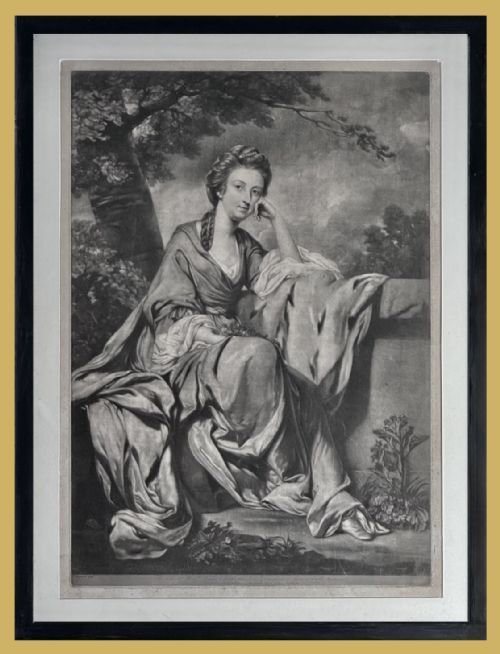
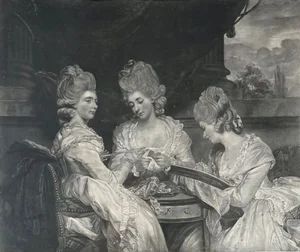
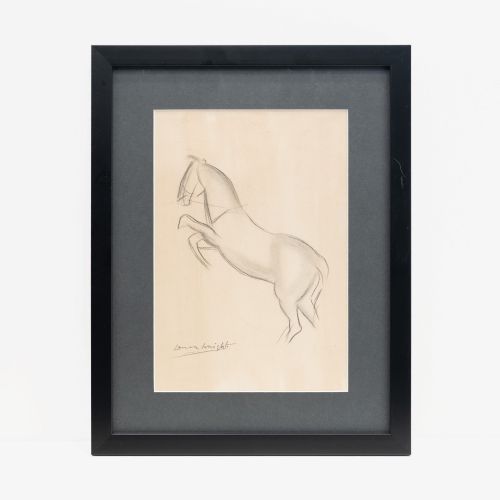
The selection ranges from eighteenth-century mezzotint portraits after Sir Joshua Reynolds to twentieth-century drypoint etchings and modern British drawings. These works manifest in various formats including wall art, framed prints, and detailed engravings mounted behind glass in wood or giltwood frames.
Materials and printmaking methods
Makers applied ink, graphite, charcoal, and watercolour to paper supports using copper plates, steel plates, or direct hand-drawing techniques. Intaglio processes such as engraving, etching, and drypoint required incisions into metal plates to hold ink for press transfer.
Finished works frequently utilised protective glass enclosures and were housed within wooden frames, occasionally enhanced with gilt or complete giltwood finishes to complement the tonal artwork within.
The inventory spans the eighteenth century through the twentieth century, utilising paper, ink, graphite, charcoal, and glass.
Distinctions in quality and execution
Quality rests in the crispness of the plate impression and the subtlety of the tonal gradations across the paper surface. Early impressions retain sharp lines and rich blacks, whereas worn plates yield softer, less defined results.
The integrity of the original paper, the absence of excessive fading, and the presence of contemporary framing or documented provenance contribute significantly to the standing of an individual piece.
Edward Fisher·Valentine Green·Dame Laura Knight·Augustus Edwin John·Herbert Dicksee
The Monochrome Fine Art Print Glossary
- Mezzotint
- A printmaking process where the copper plate is roughened to achieve rich dark tones and scraped to produce lighter areas. This technique allows for subtle gradations of shadow and light.
- Etching
- A method where lines are bitten into a metal plate with acid before ink is applied for printing. It permits fluid, expressive mark-making akin to pen and ink drawings.
- Drypoint
- A printmaking technique in which a sharp needle is scratched directly into the metal plate, raising a burr that creates a velvety line when printed. This creates soft, rich edges in the finished impression.
- Engraving
- A process of cutting designs directly into a metal plate using a burin tool, producing precise and clean lines. It demands immense skill from the printmaker to control depth and width.
- Giltwood
- Wood that has been carved and coated with gold leaf or a gold-coloured finish. This material frequently appears in period framing.
Monochrome Fine Art Print: Frequently Asked Questions
How do I date a monochrome print?
Dating relies upon examining the paper characteristics, plate marks, and stylistic conventions associated with periods like the eighteenth century or Victorian era. Typography, signatures, and publisher inscriptions also provide reliable chronological markers.
Paper stocks changed significantly over time, moving from heavy handmade sheets to machine-laid varieties. Comparing the physical medium and subject matter against known historical works helps narrow the date of production.
What is the difference between an etching and an engraving?
An engraving is cut directly into a metal plate using a sharp tool, resulting in crisp and precise lines. An etching uses acid to bite the design into the plate through a protective ground.
Etching allows for more fluid, painterly lines that resemble hand-drawn sketches. Engravings tend to display a rigorous geometric clarity and formal discipline.
How should I frame and display works on paper?
Works on paper require conservation-grade mounting materials and UV-protective glass to prevent fading from natural light. Keeping prints away from direct sunlight and damp environments preserves the paper and ink.
Allowing a small window of space between the glass and the artwork prevents moisture accumulation. Proper framing protects both the paper support and the delicate ink or graphite media.
Are all listed works original prints?
The inventory includes original hand-pulled etchings, engravings, and mezzotints created during the active periods of the artists and printmakers. Each piece reflects the specific mechanical technique employed in its era.
Signatures in pencil, plate marks, and paper quality serve as indicators of authenticity. Descriptions note whether a work is an original print or a period engraving after a known painting.