





Monochrome Dog Art
Monochrome dog art captures canine character through tonal shades of ink, charcoal, and graphite on paper.
Monochrome Dog Art
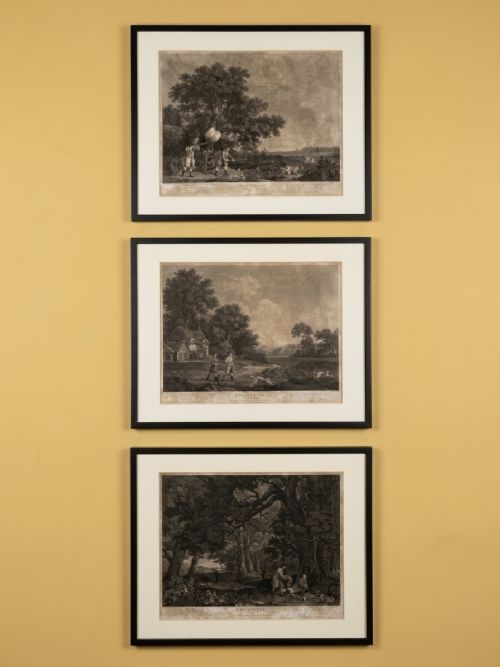
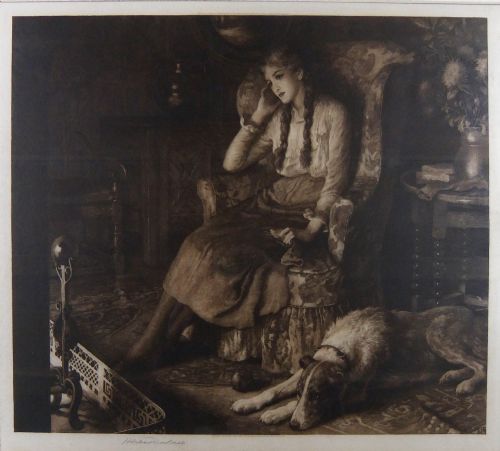
Monochrome dog art encompasses original etchings, drypoint prints, engravings, and graphite drawings depicting various canine breeds. These works span the Victorian era, the Edwardian period, and the early twentieth century, reflecting distinct historical artistic approaches.
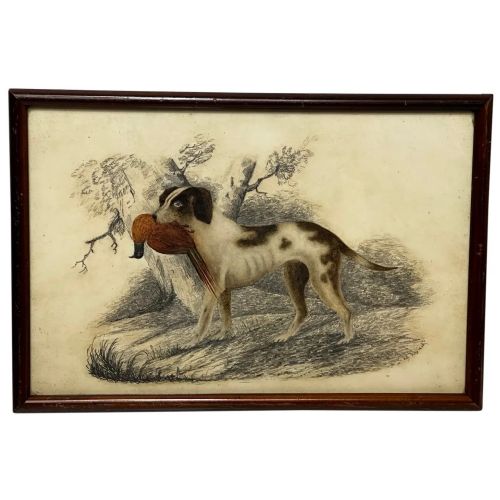
Buyers frequently encounter detailed dog portraits framed under glass in wood frames. The selection includes sporting dogs, gun dogs, terriers, and bull breeds rendered with notable realism.
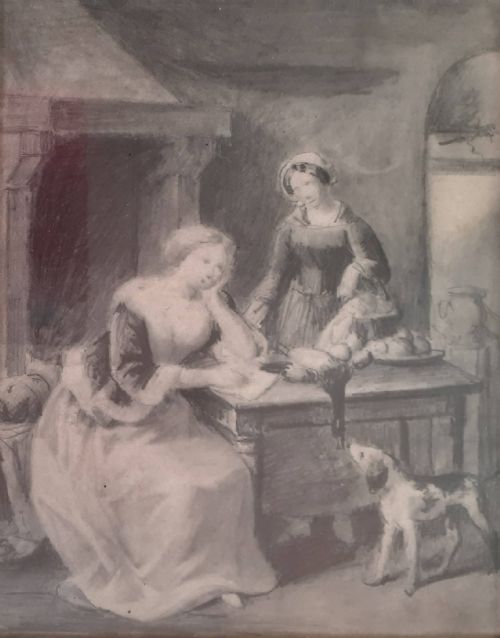
The objects range from nineteenth century engravings and French genre drawings to signed etchings by prominent artists. Each piece relies on black and white or sepia tones to define form and expression.
Materials and techniques
Artists utilise paper as the primary ground, applying ink, charcoal, or graphite to build tone and texture. Drypoint etchings involve scratching directly into a metal plate, producing soft burrs that hold ink for velvety lines.
Graphite and charcoal drawings rely on hand manipulation of pigment on paper to create subtle shadows and highlights. Engravings utilise sharp tools to cut lines precisely into plates, resulting in crisp detail suited for publication.
Works are commonly housed behind glass within wooden frames, protecting the delicate paper surfaces from environmental damage while maintaining visibility.
Monochrome Dog Art Retail Price Guide 2026
Typical asking prices for monochrome dog art among the pieces listed under this phrase on Sellingantiques today, from the lower quarter to the upper quarter. They describe what is for sale here now, not the wider market.
Several pieces capture dogs caught in moments of mischief, from kitchen raids to temptation over forbidden game.
Factors influencing quality
The fineness of line work and the depth of tonal gradation separate skilled execution from basic output. Drypoint plates wear down over time, making early impressions sharper and richer than later pulls.
An artist's ability to render canine anatomy, coat texture, and lifelike expression dictates the artistic merit of each drawing or etching. The preservation of the paper and the clarity of ink or graphite matter significantly.
Herbert Dicksee·Sir Edwin Landseer·Alexandre Decamps
The Monochrome Dog Art Glossary
- Drypoint
- A printmaking process where an artist scratches a design directly onto a metal plate with a sharp needle. This technique creates a distinctive, velvety burr that holds ink during printing.
- Etching
- A method where acid bites lines into a metal plate to hold ink for printing. It allows for fluid, expressive lines characteristic of many period works.
- Engraving
- A technique involving the direct cutting of lines into a metal plate using a burin tool. This produces clean, precise lines often seen in nineteenth century plates.
- Charcoal
- A dry drawing medium made from organic carbonaceous material. It yields deep blacks and easily blended grey tones.
- Graphite
- A form of carbon used in pencils to create detailed monochrome drawings. It permits fine control over shading and line weight.
Monochrome Dog Art: Frequently Asked Questions
What is monochrome dog art?
Monochrome dog art consists of prints, etchings, and drawings of dogs created using black, white, and grey tones. These works focus on line, shadow, and texture without the distraction of colour.
Such pieces highlight the anatomical precision and emotional expression captured by artists from the nineteenth and early twentieth centuries.
How should I display these paper pieces?
These works require framing behind glass to protect the paper, charcoal, or ink from moisture, dust, and handling. Proper framing prevents the fragile medium from degrading over time.
Positioning the framed art away from direct sunlight preserves the paper tone and prevents fading of the ink or graphite.
What distinguishes Victorian dog art?
Victorian dog art frequently emphasises realism, sentimentality, and narrative storytelling. Portraits often depict specific named dogs, working gun dogs, or sporting scenes reflecting contemporary British rural life.
Techniques from this era lean heavily on detailed engravings and careful draughtsmanship to celebrate canine loyalty and utility.