


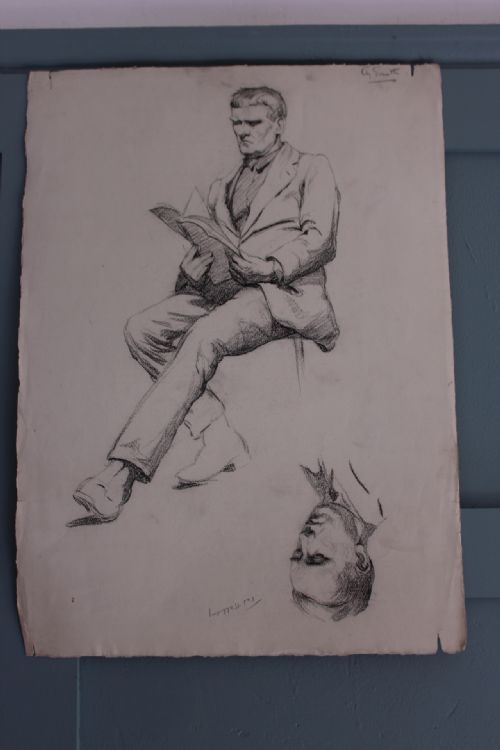

Monochrome Charcoal Portrait Drawing
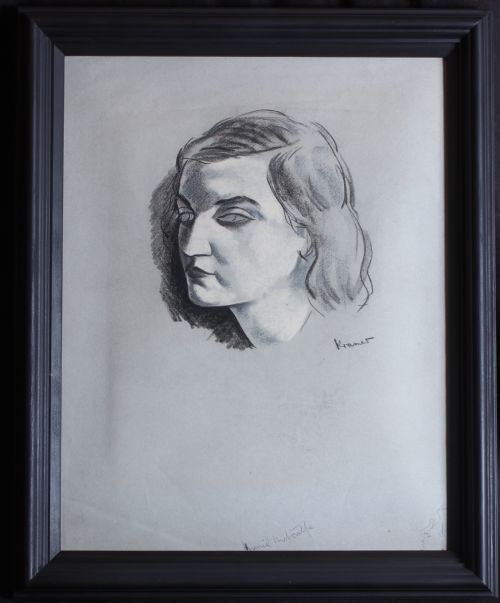
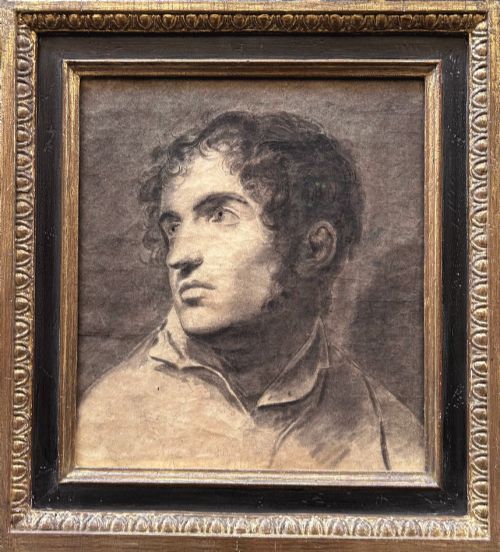
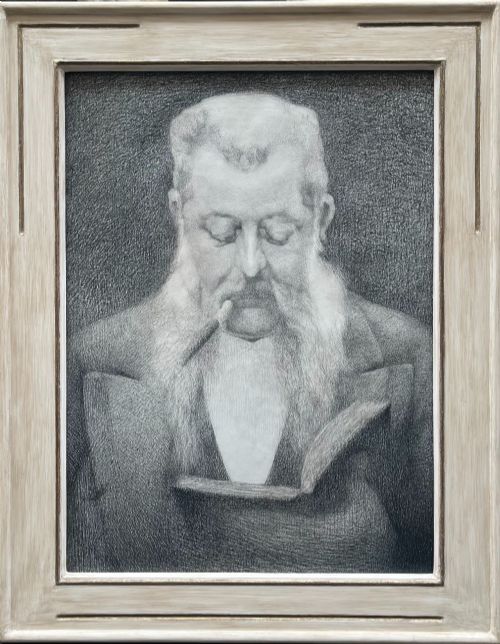
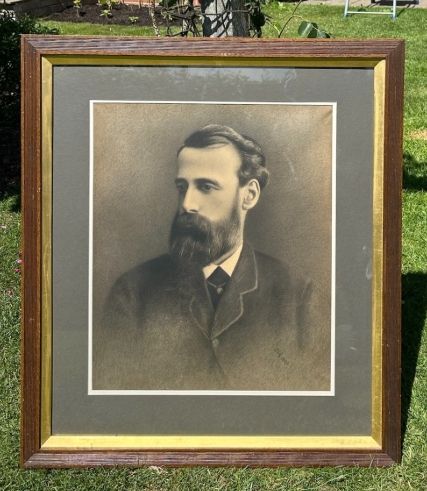
A monochrome charcoal portrait drawing captures character through shadow and line, offering an intimate glimpse into past lives.
Monochrome Charcoal Portrait Drawing
A monochrome charcoal portrait drawing focuses on facial expressions and human form using dark pigments on paper or canvas. These works range from academic life studies to finished likenesses of gentlemen and artists.
The pieces span multiple periods, with nineteenth-century examples and nineteen-thirties works appearing frequently alongside earlier seventeenth-century and eighteenth-century Italian and British portraits. Styles cover Victorian realism, French school compositions, and art deco sketches.
Framed artworks and original drawings dominate the selection, often protected by glass within wood or giltwood frames. Subjects include young men, artists, explorers, and female studies executed with distinct regional influences.
Materials and methods
Artists relied primarily on charcoal and pencil or chalk applied directly to paper or canvas supports. Graphite frequently supplemented charcoal to build finer details and darker shadows.
Framing materials included wood and giltwood, paired with glass to protect fragile charcoal and pastel surfaces from smudging and environmental damage over decades.
Framing materials span simple wood structures to ornate giltwood mouldings, housing pieces from academic, art deco, and Victorian traditions.
Distinctions in quality
Execution of the subject's anatomy and expression dictates the strength of a drawing, separating hurried studio practice from masterly academic realism. Handling of light and shadow creates depth that distinguishes compelling portraits from flat renderings.
Conservation and framing integrity influence the presentation of works on paper, where original or period-appropriate wood and giltwood enclosures preserve the artwork's historical context.
Sir Edwin Landseer RA·Winifred Eugene Ballard·John Hoppner RA·J D Fergusson·Ernest Borough Johnson·Francis O A Haviland·Francis Dodd·Cecil CP Lawson·Juliet Pannett
The Monochrome Charcoal Portrait Drawing Glossary
- Charcoal
- A dry drawing medium made from burnt organic material that produces deep blacks and soft smudged lines. It allows artists to achieve dramatic tonal contrasts quickly.
- Academic Realism
- A style of painting and drawing produced under the influence of European academies of art. It emphasises precise anatomical accuracy and detailed observation.
- Giltwood
- Wood that has been coated with gold leaf or a gold-coloured finish. This material is common in traditional picture framing.
- Symbolist
- A late nineteenth-century movement that prioritized spiritual and psychological internal truths over visual description. These works often carry moody or mysterious atmospheres.
- Life Study
- A drawing or painting executed directly from a live nude or clothed model. These pieces frequently record training sessions in art schools.
Monochrome Charcoal Portrait Drawing: Frequently Asked Questions
How are charcoal drawings preserved?
Charcoal drawings require glass protection to prevent the soft pigment from smudging or lifting off the paper support over time. Framing with archival backing materials helps shield the paper from humidity and light damage.
Keeping pieces away from direct sunlight maintains the stability of both the charcoal medium and the surrounding paper or canvas.
What subjects appear in these portraits?
Subjects range from anonymous sitters and studio life models to named historical figures, explorers, and actors. Artists also captured family groups, rustic scenes, and personal acquaintances.
Many works originate from specific artistic circles in Britain, France, and Italy across different centuries.
How do I date a charcoal portrait?
Dating relies on stylistic clues, framing materials, inscriptions, and artist signatures recorded on the work. Victorian and art deco pieces often display distinct aesthetic traits typical of their respective decades.
Paper characteristics and biographical details of the sitter or artist provide additional chronological markers.
Are these drawings original works?
The selection consists of original hand-drawn artwork rather than mass-produced prints. Artists utilised charcoal, graphite, chalk, and pastel directly on paper or canvas surfaces.
Some pieces include studio life studies and preparatory sketches alongside finished formal portraits.