



British Portrait Drawing
A genuine british portrait drawing captures character through the intimacy of graphite, pastel, and paper.
British Portrait Drawing
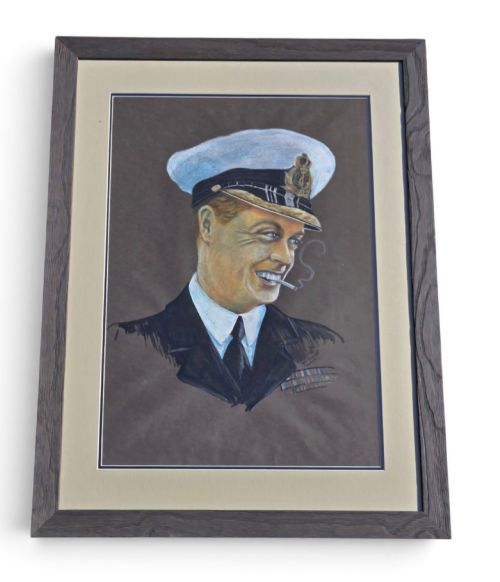
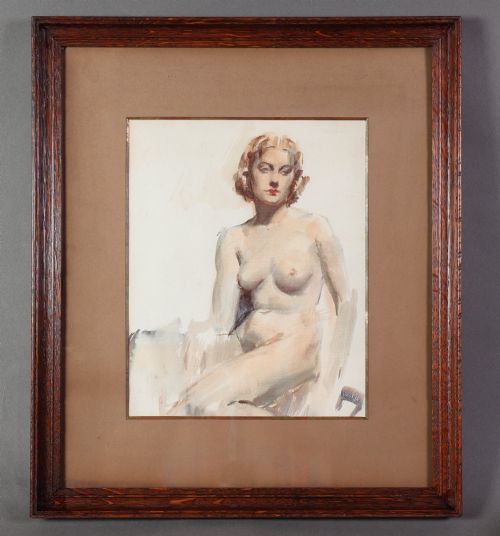
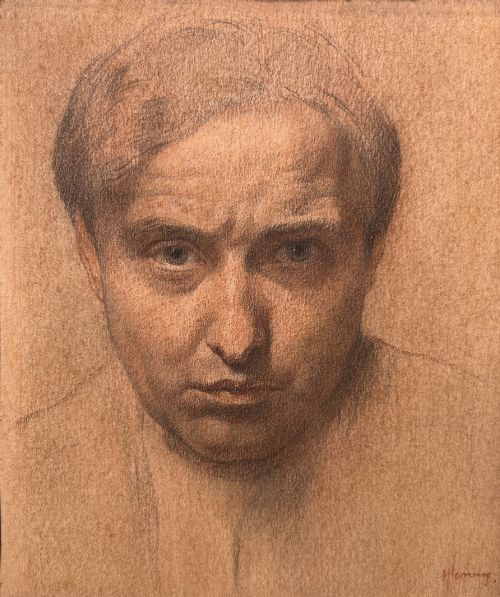
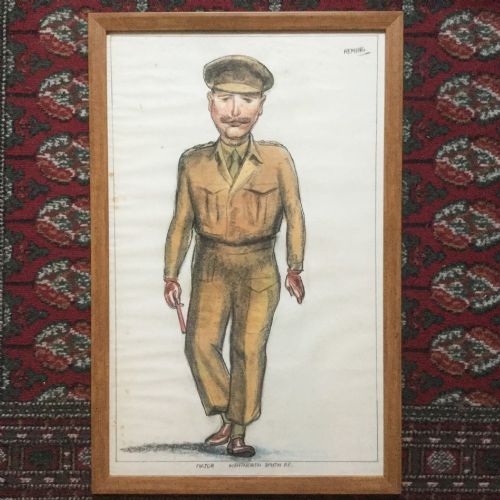
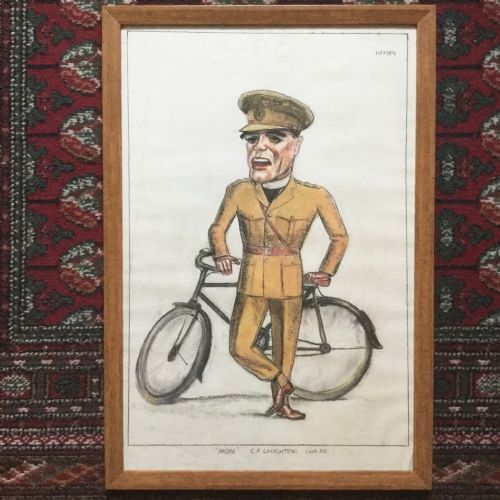
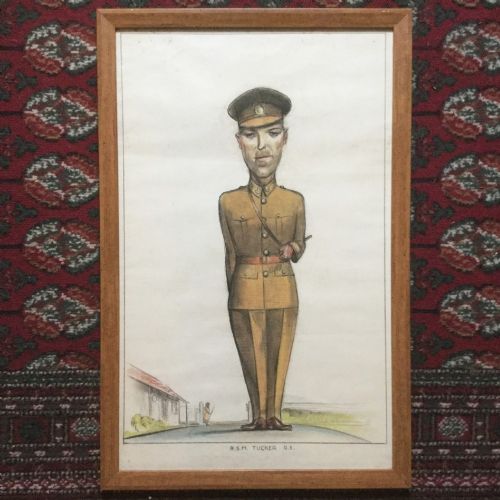
A british portrait drawing captures likeness and personality using graphic mediums on paper supports, spanning centuries of artistic practice. The selection ranges from informal wartime sketches of army officers to finished exhibition pieces depicting public figures and royalty.
Buyers frequently encounter works from the 18th century through the mid-20th century, encompassing Georgian, Victorian, Edwardian, and Modern British movements. These pieces typically arrive framed under glass, preserving delicate media such as pastel, charcoal, and watercolour.
The subjects include military commanders, explorers, actors, and everyday sitters recorded by both named academicians and anonymous regional hands. Each sheet offers a direct encounter with the sitter, untouched by the layer of oil paint.
How They Were Made
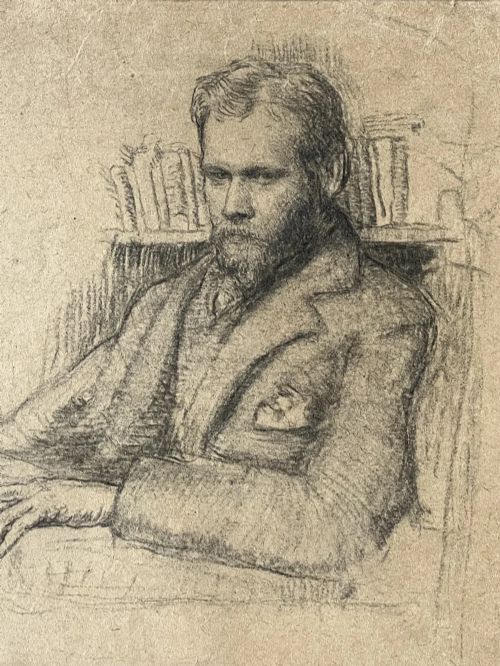
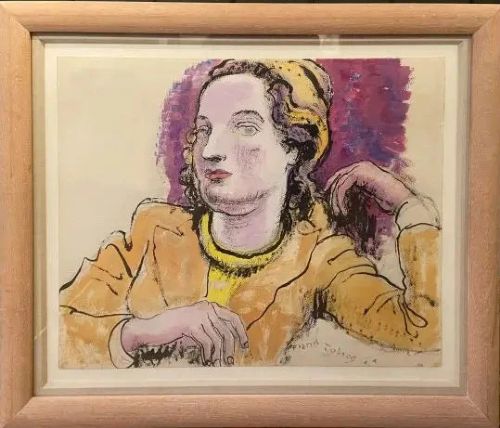
Artists worked primarily on paper supports using dry media like graphite, charcoal, and pastel, or wet media including watercolour, gouache, and ink. Pastels allowed for rich, layered colour application, while pencil and pen provided precise linear definition.
Many works combine multiple techniques, layering watercolour or gouache washes over underlying pencil or charcoal sketches. Works were mounted behind glass in wood frames to protect the fragile, unbound pigment from smudging and light damage.
Listings feature works executed on paper supports using traditional media such as pastel, graphite, charcoal, watercolour, and gouache.
What Varies in Quality
The strength of a british portrait drawing depends on the sureness of the draftsmanship and the psychological depth captured in the sitter's expression. Master hands convey volume and personality with minimal strokes, whereas weaker examples remain stiff and formulaic.
Condition plays a major role, distinguishing vibrant sheets retaining their original pigment density from those faded by sunlight or marred by foxing and paper acidification. The pedigree of the sitter and the documented hand of a recognised Royal Academician elevate the significance of the piece.
Emily Eyres·Augustus John·Frank Dobson·Herbert Johnson Harvey·Raoul Millais·Arthur Todd·Lucien Freud·John Hoppner·Aubrey Sykes·Reginald G. Eves·Dame Laura Knight·Josiah Gilbert·John Seymour Lucas·Ernest Borough Johnson·Francis O. A. Haviland·Henry Edridge·George Richmond·Sir Nathaniel Dance-Holland·Francis Dodd·Alexander Melville·Sir William Charles Ross·Juliet Pannett
The British Portrait Drawing Glossary
- Pastel
- A dry painting medium consisting of powdered pigment and a binder, known for its velvety texture and luminous colour. It requires framing under glass to prevent dusting.
- Gouache
- An opaque water-based paint that provides solid, matte areas of colour, frequently combined with watercolour in portrait sketches. It allows artists to add bright highlights over dark washes.
- Foxing
- Small brownish spots caused by chemical reactions in the paper over time, often triggered by damp conditions. It is a common occurrence in antique works on paper.
- Graphite
- A form of carbon used as a drawing material in pencils, offering a range of tones from faint grey to deep black. It has served as the foundational medium for fine art drawing for centuries.
- Mount
- A cardboard border placed between the artwork and the frame to prevent the glass from touching the fragile surface of the drawing. It also provides visual breathing space around the image.
British Portrait Drawing: Frequently Asked Questions
How should I display my drawing?
Keep works on paper away from direct sunlight to prevent the pigments and pastels from fading over time. UV-filtering glass and acid-free mounting materials will protect the delicate surface for decades.
Hang the piece on an interior wall where room temperature and humidity remain relatively stable. Bathrooms and damp hallways should be avoided to prevent mould growth and paper degradation.
Are these drawings signed?
Many professional works carry the artist's signature or monogram, often placed discreetly in one of the lower corners. Studio pieces or rapid wartime sketches, however, frequently remain unsigned.
Attribution for unsigned works relies on stylistic comparison, period framing, or contemporary exhibition records. Archival documentation sometimes links a portrait to a specific sitter and date.
What is a study?
A study is a preparatory drawing made by an artist to explore composition, lighting, or anatomy before executing a larger finished painting. These spontaneous works often reveal the raw working method of the creator.
Finished portrait drawings, by contrast, were created as standalone works intended for exhibition or direct commission. Both forms hold equal status among collectors today.
How do I identify the period?
Clothing, hairstyles, and framing styles offer the most reliable clues for dating a portrait drawing. Uniform details on military officers or civilian fashion shifts immediately anchor a piece within a specific decade.
Paper watermarks and backing boards also provide chronological markers. Stylistic movements, from Georgian restraint to Modern British abstraction, further define the era.